The Problem With Fast, Disposable Tech Gifts
Gadgets are easy: you click, order, and a sleek box arrives. The packaging feels premium and the setup often seems smooth. For a few days, the new device gets attention.
Then it fades into the background.
Another screen sits among the others. Another charger rests on the counter. Another update notification appears. What once felt exciting becomes routine.
Most tech gifts are built around speed and novelty—faster processors, brighter displays, longer battery life. Improvements are measurable, but incremental and fleeting.
Creative kits follow a different logic.
They don’t promise efficiency. They require time. They don’t automate; they demand attention. They aren’t superseded next year by a thinner version. They’re completed, displayed, and kept.
One is optimized for consumption. The other is designed for participation.
That distinction matters.
Why Hands-On Experiences Create Stronger Memories
Psychologists have long examined the difference between buying things and investing in experiences. Research from Dr. Thomas Gilovich at Cornell University suggests experiences generate more lasting satisfaction because they become part of a person’s identity.
Creative kits occupy a compelling middle ground: they arrive as objects but deliver experiences—evenings at a worktable, steady incremental progress, and the quiet reward of finishing a project.
Working with your hands engages more than attention. Vision guides placement, fingers adjust pressure, and the body leans in. That coordination strengthens focus and cements memories.
Research in the Journal of Positive Psychology found that even small creative acts are linked to higher well-being. The effect is tangible and measurable.
A gadget may entertain or streamline a task, but it rarely builds patience or cultivates calm.
A creative project often does both.
Creative Kits Offer Structure Without Pressure
Many adults are curious about art and creativity but hesitate—blank canvases intimidate, and too many choices freeze momentum.
Structured creative kits solve that gently. They provide materials, guidance, and a clear starting point. Instead of asking, “What should I create?” the recipient asks, “Which section will I start tonight?” That simple shift lowers resistance.
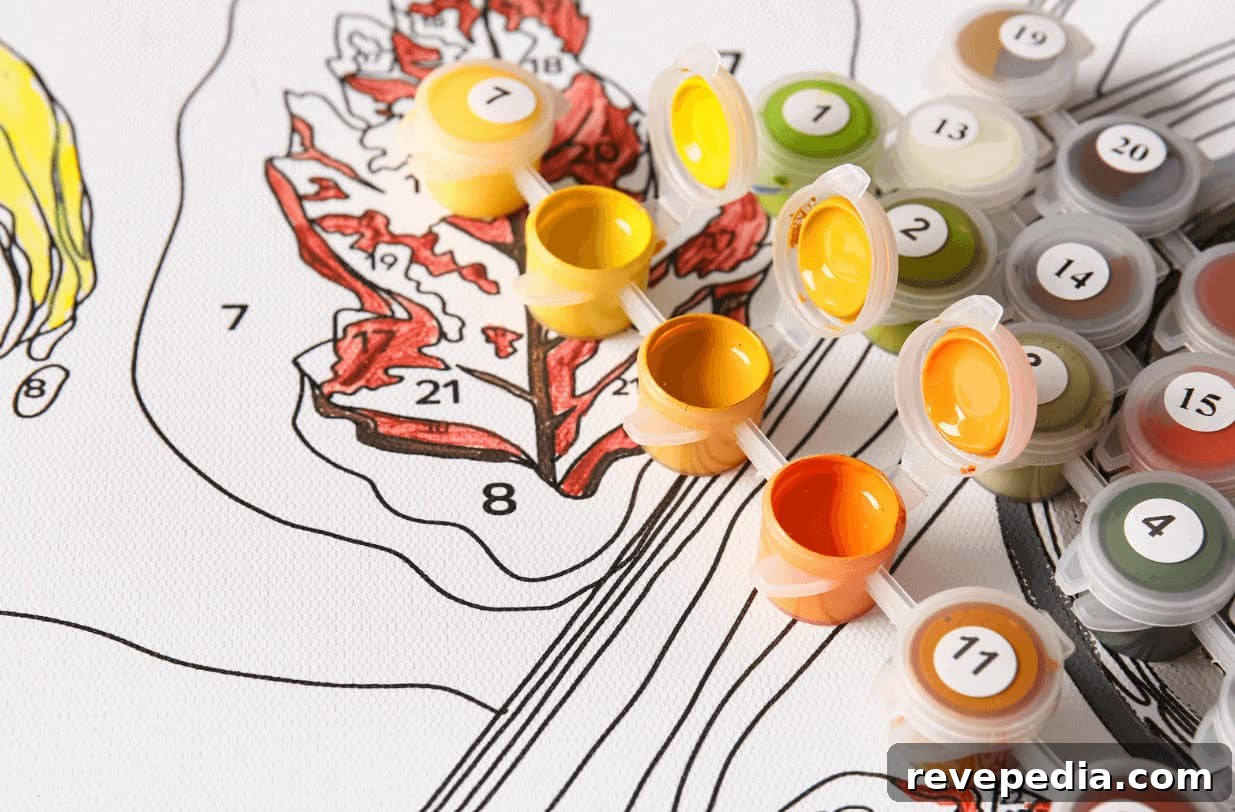
Paint-by-number illustrates the idea well. The canvas is divided into numbered areas, each corresponding to a specific color. You focus on one section at a time and watch the image emerge gradually. The process feels manageable and contained.
Other creative kits apply the same principle with different materials:
- Embroidery sets with pre-printed linen and thoughtfully chosen thread palettes
- Diamond painting projects built around coded layouts and precisely cut resin pieces
- Candle-making kits with measured wax blends and balanced fragrance oils
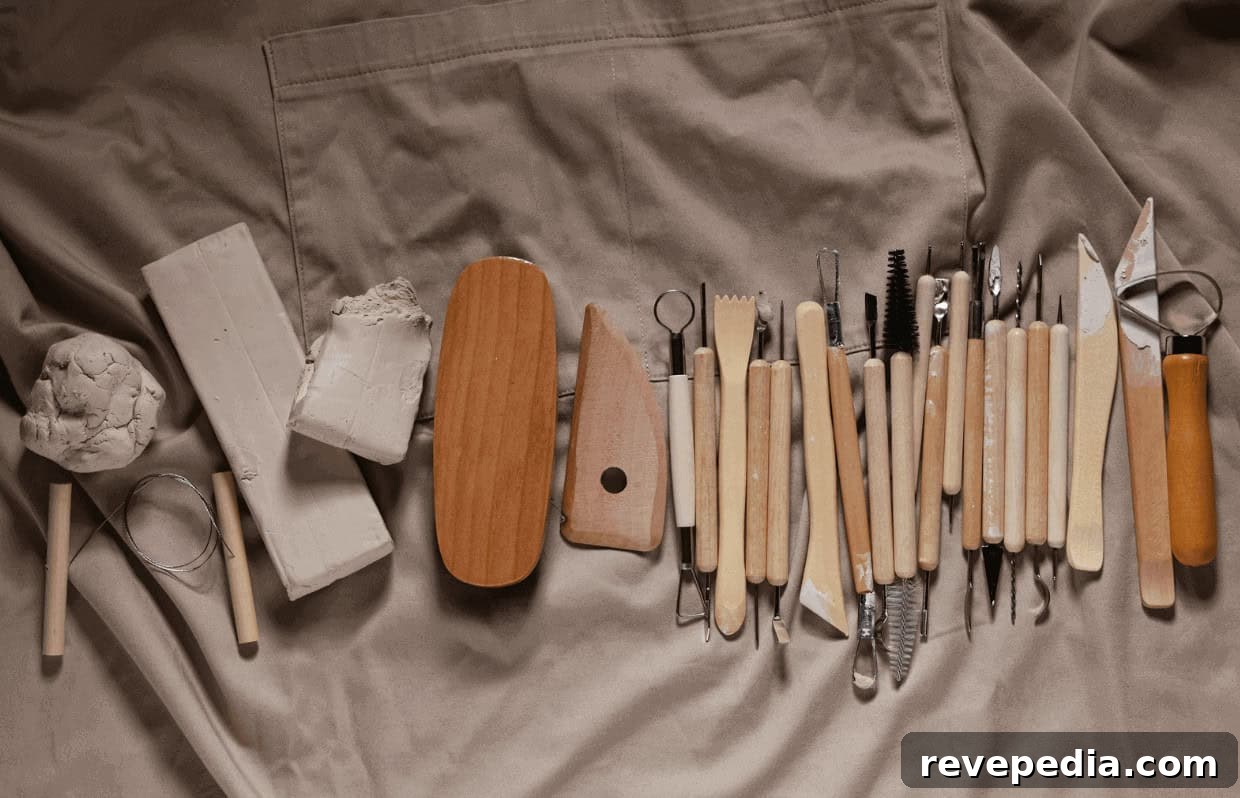
- Clay kits that guide shaping, drying, and finishing techniques
- Adult coloring books printed on heavy stock for detailed work
Each format provides structure without rigidity. Materials are selected, the sequence is clear, and the result remains personal.
The recipient isn’t consuming content; they’re working with texture, weight, and form. That physical engagement builds attachment to the finished piece.
Unlike many gadgets, which demand navigating settings and features, creative kits ask for attention rather than configuration. No background notifications compete for focus—there is only the next small step.
A finished piece rarely stays in a box. It becomes part of the home: a framed paint-by-numbers canvas hanging in a hallway, a hand-poured candle on a coffee table, or an embroidered piece resting on a bookshelf next to well-worn tools and favorite books.
These objects carry a different weight than gadgets. They reflect hours spent building something with care. When someone asks about the piece, the answer isn’t a list of specs; it’s a story about the process. That story gives the object a permanent place in the home.
The Gift of Focus in a Distracted World
Modern life rarely leaves room for uninterrupted concentration. Messages interrupt conversations, news updates refresh automatically, and entertainment streams encourage continuous consumption rather than pause.
A creative kit creates a boundary around time. When someone sits to paint, stitch, shape clay, or place tiny drills on a canvas, the task demands presence: hands move, eyes follow, and the mind anchors to what’s directly in front of it.
This focused attention brings benefits beyond the completed object. It strengthens patience, reduces mental clutter, and encourages completion in a world full of unfinished tabs and half-read messages.
There’s a relational element as well. Giving a creative kit communicates something different than giving the latest device: it says the recipient’s time matters, it shows trust in their ability to create, and it values process over speed.
Art and craft provided structure long before digital devices existed. People historically gathered around shared tasks—weaving, carving, painting, shaping clay—that required concentration and cooperation. These activities produced objects but also generated meaning.
Choosing a creative kit as a gift isn’t a rejection of technology; it recognizes that attention is limited and valuable. In a culture defined by upgrades and constant input, offering someone a reason to slow down can feel quietly radical.
Why Creative Kits Last Longer Than Gadgets
Technology’s rapid pace is its strength, but that same pace means today’s innovation becomes tomorrow’s outdated model.
Creative kits aren’t part of that upgrade cycle.
They culminate in something finished and personal—something that doesn’t rely on a battery or an operating system and that earns a place in the home because someone made it.
One gift fits into a system of upgrades; the other becomes part of a home.
For anyone who values craftsmanship, intentional design, and objects with meaning, the choice is clear.
Creative kits do more than occupy time: they create stories, develop patience, and leave behind tangible proof of effort.
That is why they so often make better gifts than gadgets.