Ever feel like your house is working against you? Whether it’s a mysterious leak in the ceiling or a washing machine that swallows socks, home life shouldn’t feel like a full-time job. Especially in rainy cities like Portland, where weather tests everything from your mood to your roof, your home should be a refuge—not a hazard. Practical choices around maintenance, layout, and everyday features can transform daily chaos into steady calm.
Below, we explore how practical home decisions—from appliances and lighting to storage and ventilation—can quietly and powerfully improve how you live.
Smart Simplicity Over Pinterest Perfection
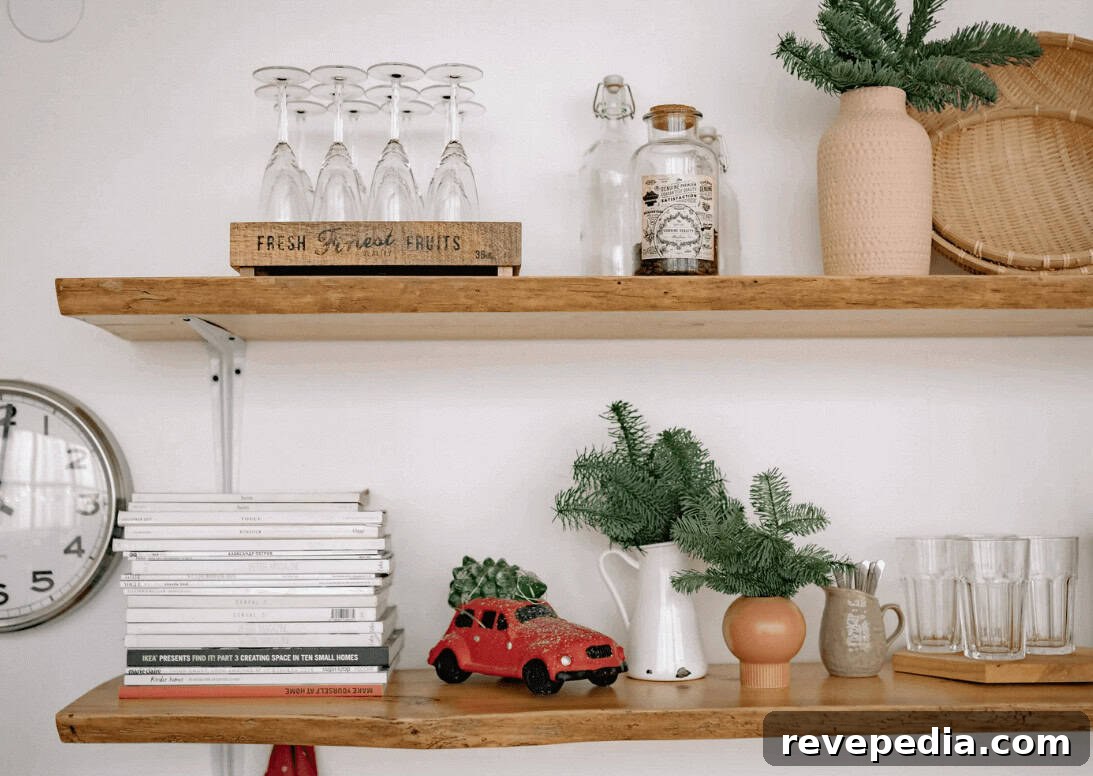
In a culture that celebrates carefully curated interiors, it’s easy to prioritize looks over function. Open shelving may photograph well, but for most households it quickly becomes a cluttered display of half-used spices and mismatched mugs. “Multi-purpose” furniture can promise versatility but fail to perform in everyday use.
Prioritize simple, reliable solutions that actually make life easier. A quiet dishwasher, blackout curtains that truly block light, or a sofa sturdy enough to nap on are small investments that return consistent comfort. Thoughtful design doesn’t call attention to itself; it quietly handles the practicalities so you don’t have to.

Maintenance Is Mental Health
One of the least talked-about aspects of adult life is the mental load of home maintenance. Leaky roofs, drafty windows, and clogged gutters aren’t just financial problems—they sap emotional energy. What starts as a small issue can quickly escalate, especially in wet climates where a tiny leak can become a major repair.
In places like Portland, roof replacement and weatherproofing are common and sometimes urgent. Delaying repairs might feel like a budget decision, but it often results in far greater stress and cost later. Regular inspections, weather-resistant materials, and an emergency fund for repairs move maintenance from frantic reaction to calm prevention. In short, timely upkeep is an investment in peace of mind.
The Invisible Power of Layout
The arrangement of your home shapes how you move, think, and feel. Awkward circulation—squeezing past furniture to reach the kitchen, constantly trekking up stairs for laundry—adds daily friction that wears on patience and efficiency.
More people are choosing single-level living to reduce those daily frictions, not only for accessibility as they age but also to streamline routines. With hybrid work more common, a home layout that supports movement and multitasking matters more than ever for comfort and productivity.
Light, Air, and Sanity
Natural light has significant benefits for mood, sleep, and focus. While not everyone can install floor-to-ceiling windows, there are practical ways to invite more light: sheer curtains, strategically placed mirrors, and lighter paint colors all help brighten interiors without major renovations.
Air quality matters just as much. Effective ventilation—working bathroom fans, a quiet range hood, and windows that open—reduces humidity, mold growth, and allergens. Improving airflow is a small but powerful step toward a home that feels healthier and more comfortable.
The Rise of the Useful Kitchen
If your kitchen feels like an obstacle course, it’s often a layout and storage issue rather than a lack of cooking ability. Practical kitchens focus on accessibility and durability: easy-to-reach storage, dependable appliances, and resilient surfaces that withstand daily use.
Current trends favor function over showy finishes. Think induction cooktops that heat efficiently and cool quickly, deep drawers that make utensils and pans easier to access, and pantries organized for reach rather than display. These choices streamline meal prep and reduce the mental clutter that comes from navigating an inefficient workspace.
Storage That Thinks Ahead
Clutter creates friction. Smart storage solutions aren’t about hiding more stuff; they’re about improving access and organization. Pull-out pantry shelves, under-bed storage bins, well-placed hooks, and closets configured for how you actually live make daily routines smoother.
The rise of dual-purpose rooms—home offices that convert to guest rooms—has driven innovation in adaptable furnishings. Murphy beds and multi-functional storage systems now serve modern households without sacrificing comfort or style. Designing storage with future adaptability in mind keeps spaces useful as needs change.
Tech That’s Actually Helpful
Smart home technology has moved beyond gimmicks to offer real, practical benefits. Learning thermostats can reduce energy bills by adapting to your schedule. Leak detectors can catch issues before they become expensive disasters. Video doorbells increase convenience and security by letting you see and respond to visitors remotely.
The trick is to adopt technology that reduces friction rather than adding complexity. Automate repetitive, forgettable tasks—lighting, climate control, and security systems—while avoiding over-automation that creates new problems. Focus on useful, reliable devices that simplify daily life.
The Aesthetics of Ease
Well-designed homes combine beauty with usability. When design reflects how you actually live, it fosters calm and confidence. Choose colors and textures that soothe, and arrange spaces to support everyday rhythms rather than following fleeting trends.
Often, the most calming features are the least flashy: a smoothly operating kitchen drawer, a faucet that doesn’t splash, or a hallway that doesn’t echo. These practical details create a steady sense of control that affects mood, energy, and even relationships.
Modern life is full of uncertainty—from economic pressures to the blurred lines between work and home. Because our homes are central to emotional and practical wellbeing, it’s worth asking whether the choices we make reduce friction or add to it. When homes are designed and maintained with practicality in mind, they become places that serve us—where simple, reliable features let us breathe easier and live better.