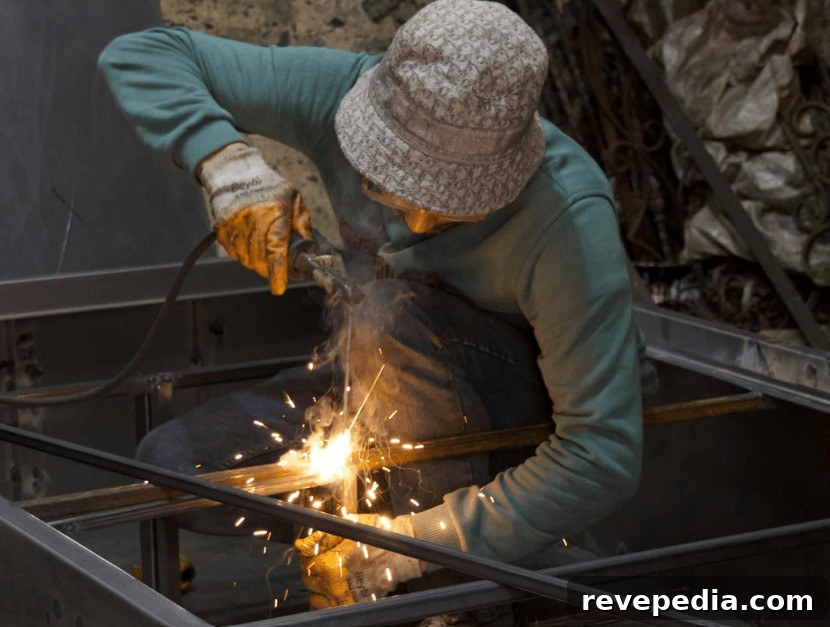
If you spend enough time building and repairing things in your garage, you eventually reach a point where wood, standard fasteners, and off-the-shelf hardware no longer meet your needs.
In any trade or serious hobby there’s a “hard way to easy way” cycle: once basic materials limit your results, you move on to stronger, more appropriate materials and techniques.
Moving into metalworking changes what you can do. It lets you repair broken trailer brackets, build heavy-duty workbench frames, adapt truck parts to fit precisely, and fabricate small replacement components instead of constantly settling for compromises from the hardware store.
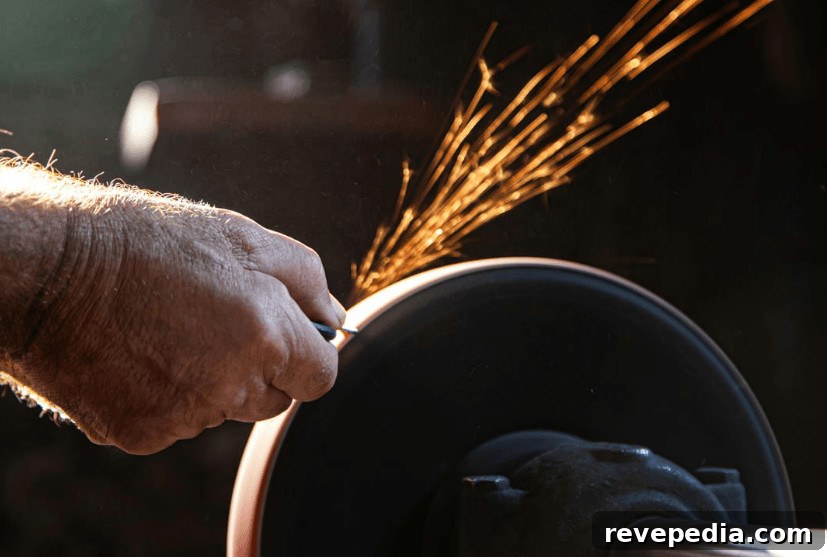
Researching metalworking tools for a home workshop can feel like reading an industrial catalog, but it isn’t necessary to equip a full factory to get useful work done. What matters is creating a practical setup tailored to the projects you actually want to do: cutting, grinding, drilling, and joining metal safely and effectively.
Start With the Projects You Actually Want to Build or Repair
When you’re ready to start, don’t fall into the trap of buying every tool you see. Let the projects you want to build or repair determine your tool choices.
Think in terms of capability rather than tool accumulation. If you mostly plan to handle outdoor repairs—freeing a stuck bolt on a rusted gate hinge or modifying grill hardware—you may only need basic cutting and drilling tools. If you intend to build a utility trailer from structural tubing or produce repeatable custom spacers and bushings, you’ll need machines that deliver precision.
A homeowner doing occasional repairs needs a very different setup than someone who modifies off-road truck gear every weekend. Look at what’s on your workbench now and let those specific needs guide your first purchases.
Make Space for Metal Before Buying More Tools
Metalworking demands a different shop layout than woodworking. Before bringing in new equipment, prepare your workspace for safe metal cutting, grinding, and assembly.
Start with a heavy, sturdy workbench and a securely mounted bench vise. Equally important is a dedicated fire-safe work zone: grinding sparks travel farther than you might expect, and safe hot work practice often recommends a clear area well beyond immediate surroundings.
Keep sparks away from sawdust, solvents, cardboard templates, and other combustibles. Ensure strong, even overhead lighting for marking and drilling. Treat ventilation seriously—exhaust fans should bring in adequate makeup air to avoid negative pressure. Upgrade power safety: use properly rated extension cords, replace damaged cables, and add GFCI protection where moisture or grounded surfaces increase shock risk.
The Starter Metalworking Tools I’d Add First
A good starter kit focuses on holding, cutting, drilling, shaping, and measuring metal. Essential items include a high-quality angle grinder, a solid bench vise, a cordless drill system, and a reliable drill press.
Complement those with layout basics: a spring-loaded center punch to prevent wandering drills, a combination square, and calipers. Include cutoff wheels, deburring files, clamps, and effective hearing and eye protection.
As you move from modifying off-the-shelf pieces to making parts, accuracy becomes more important. A grinder and drill handle many fixes, but for spacers, bushings, sleeves, and turned parts, a bench or toolroom lathe quickly proves its value. Research bench, engine, and toolroom lathes when you reach that stage so you choose the right style for your needs.
Cutting, Drilling, Grinding, and Joining Are the Core Capabilities
Most home metalworking rests on four basic skills: cutting metal to size, drilling accurate holes, grinding edges and surfaces, and joining components.
Cutting can be done with hacksaws, metal-cutting circular blades, bandsaws, or angle grinders fitted with cutoff wheels. Drilling gains accuracy from a drill press, which keeps the bit aligned and perpendicular when the setup is correct.
Grinding smooths sharp edges, removes surface rust, and cleans mill scale from hot-rolled steel. Joining builds structures: while welding is powerful, mechanical fastening—heavy bolts, rivets, or custom brackets—often provides a simpler, effective solution.
In practice this may look like cutting away a rusted trailer bracket with a cutoff wheel, grinding the frame clean, and drilling new holes to attach a stronger mounting plate with heavy bolts.
When Basic DIY Tools Are Not Enough
Basic tools serve rough fabrication well, but precision work needs greater mechanical control. You’ll outgrow an entry-level setup when repeatability, tight tolerances, or turning cylindrical parts become routine.
Rough fabrication focuses on cutting and joining shapes. Precision machining allows you to repair older equipment, adapt shop tools reliably, and make custom hardware for demanding projects.
Serious machines like lathes, milling machines, and heavy-duty drill presses are investments in space, money, and learning. Consider them only when your project frequency and complexity justify the commitment.
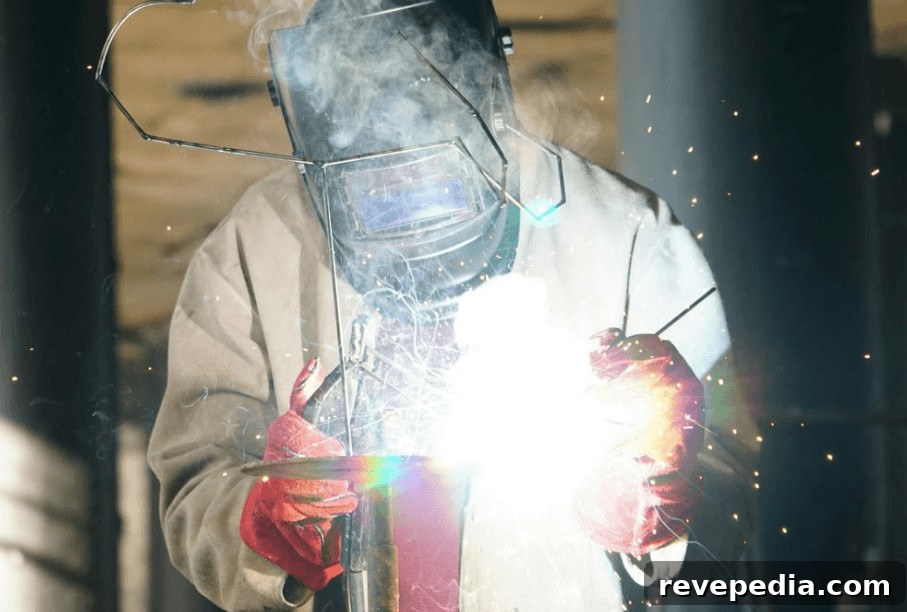
Beginner Metalworking Projects That Build Real Skill
The fastest way to gain confidence is by completing practical projects that solve problems in your own garage or yard. Start small and build capability progressively. These foundational projects teach useful skills:
- A welded or bolted workbench frame: teaches layout, measurement, and squaring heavy materials.
- A simple wall-mounted tool rack: builds skill in cutting light steel, drilling evenly spaced holes, and deburring edges.
- A trailer tie-down bracket: introduces thicker materials, rust prep, and heavy fasteners or structural welds.
- A gate latch repair: forces you to learn grinding techniques and how to remove seized parts safely without damaging nearby structure.
- A replacement spacer or bushing: a great starter for precision measuring, drilling, and finishing round stock.
- A shop jig or garden-tool holder: hones fabrication layout skills—using templates, center-punching, and secure fastening.
Each project builds real-world muscle memory; repeated practice makes the next job easier and more accurate.
Safety Habits Matter More Than Fancy Equipment
Metalworking introduces heat, flying sparks, sharp edges, high noise, airborne dust, and heavy parts into the shop. Safety must guide your daily habits, not be an afterthought.
Keep a properly rated fire extinguisher nearby. Allow hot metal to cool naturally, and deburr freshly cut pieces so you don’t cut yourself handling them later.
Wear primary eye protection at all times—even if you also use a face shield. Use hearing protection against grinders and other loud tools, and wear appropriate respirators when grinding creates dust. Maintain robust ventilation, clamp work securely, avoid loose clothing that could catch in rotating parts, and use heavy gloves when handling hot or sharp metal.
Build Capability in Stages, Not All at Once
Your home workshop doesn’t need to become a commercial machine shop overnight. The smartest fabricators grow capabilities in deliberate stages:
- Stage 1: Basic holding, measuring, and cutting tools (bench vise, tape measure, cutoff wheels).
- Stage 2: Better drilling, grinding, and layout tools (drill press, flap discs, center punches).
- Stage 3: Heavy-duty joining options, such as mechanical fastening setups or a reliable MIG welder.
- Stage 4: Precision machinery like a lathe or milling machine, added only when projects demand them.
Let recurring problems drive upgrades. If you repeatedly need the same custom part or struggle with the same repair, that’s a clear signal your shop needs a new capability. Tools deserve space only when they consistently solve real problems.
Next Steps
Adding metalworking skills and equipment to your shop makes you more self-reliant and capable of accurate custom builds and repairs. Begin with a single real project, identify the metalworking steps it requires, and add the tools needed to complete those steps well. Grow your workshop one useful capability at a time.