A common question among homeowners is, “What’s the difference between a range, stove, and cooktop?”
This guide explains the distinctions between ranges, stoves, and cooktops, and outlines the advantages and disadvantages of each to help you choose the right cooking appliance for your kitchen.

What is a Range?
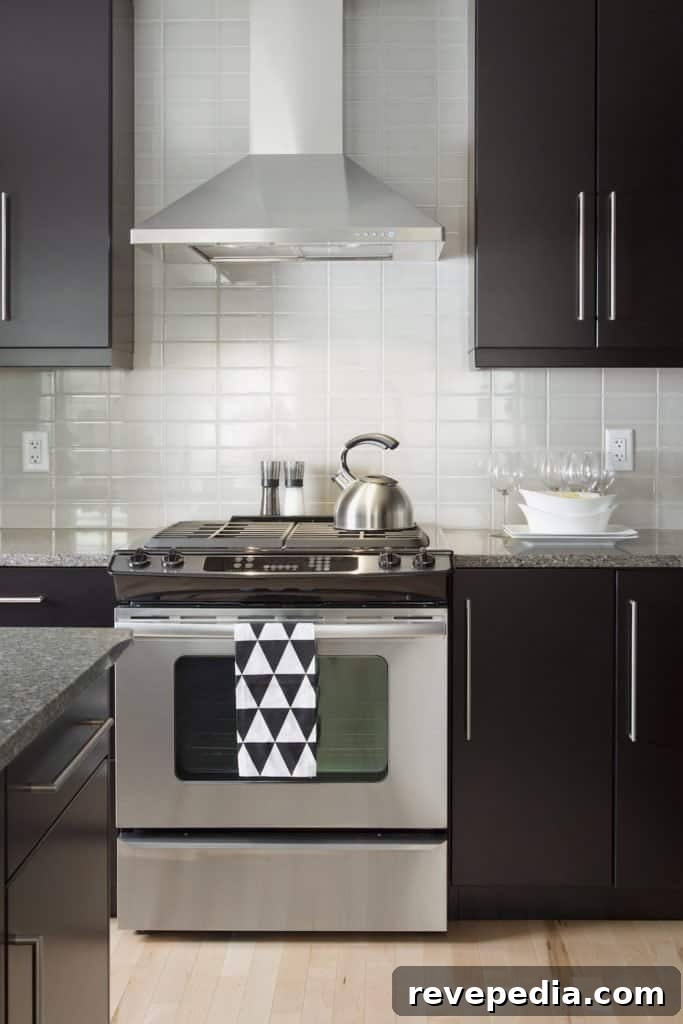
A range is a freestanding appliance that combines a cooktop and an oven in a single unit. Available in gas or electric models and in a variety of sizes and finishes, ranges commonly measure 30″ to 36″ wide and offer between two and six burners. The oven portion can be either gas or electric.
Ranges are the most widespread cooking appliance in many homes because they offer the convenience of an integrated cooktop and oven. They tend to be more affordable than separate appliances and are offered across a wide price spectrum, making them accessible for many budgets.
A major benefit of a range is space efficiency. For kitchens with limited room—such as smaller homes, condos, or apartments—a range provides both oven and stovetop capabilities without requiring two separate installations.
Drawbacks include potential higher repair or replacement costs if one component fails, since some repairs may require servicing the entire unit. Ranges can also be more cumbersome to clean due to their larger footprint and integrated design.
What is a Stove?
Historically, the term “stove” referred to an appliance that combined a cooktop and oven—similar to a range. In contemporary appliance retail, however, “stove” is used less often; most retailers and manufacturers now use “range” to describe freestanding cooktop-and-oven units. The older usage still applies to cast-iron wood-burning stoves used for heating.
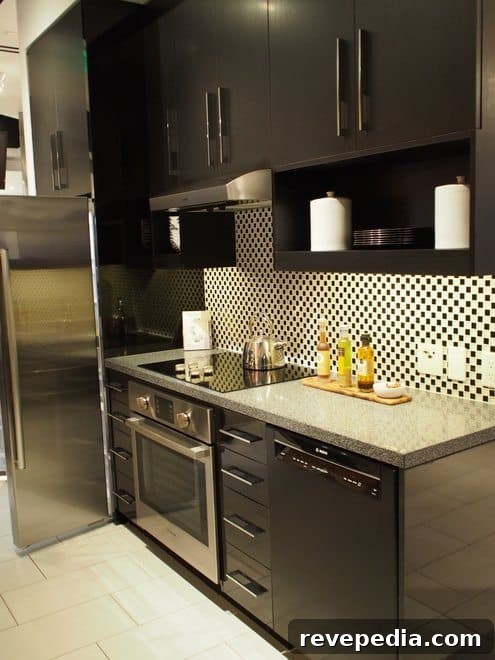
When used to describe built-in appliances, a stove typically means a slide-in or drop-in unit that integrates with cabinetry or countertops. These models are designed to sit flush with surrounding surfaces and often present a more built-in appearance than freestanding ranges.
Like ranges, stoves can be gas or electric and usually offer four to six burners, sometimes with specialty options such as griddles. Because they are designed for a seamless fit, stoves can be a more elegant, customized option and may include additional features or finishes to match kitchen design.
However, slide-in or built-in stoves often cost more than basic freestanding ranges and typically require professional installation. Repairing or replacing parts can be more complicated if the appliance is integrated into cabinetry.
What is a Cooktop?
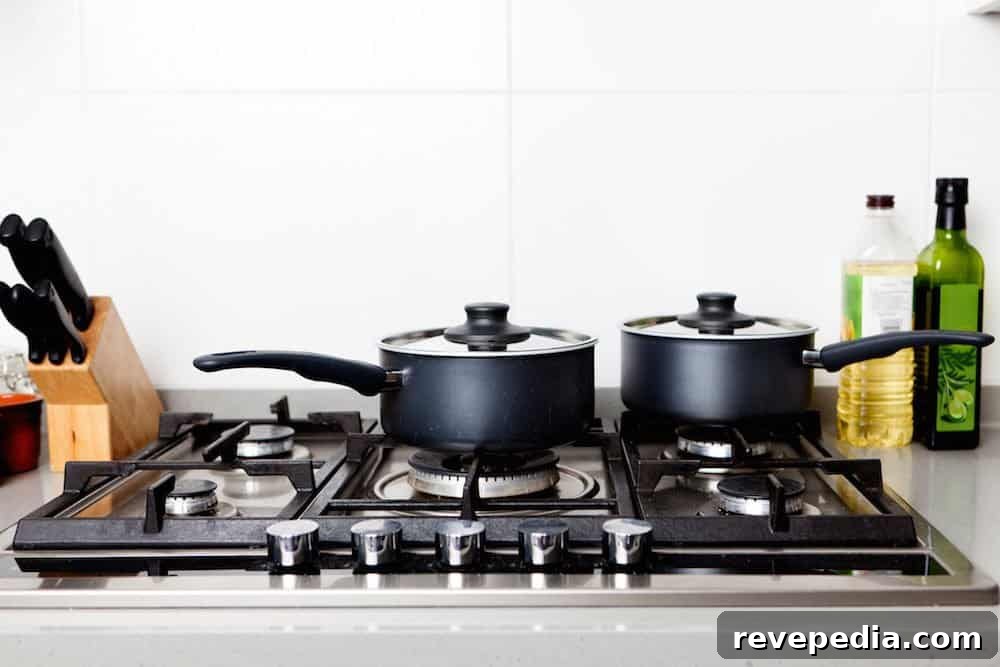
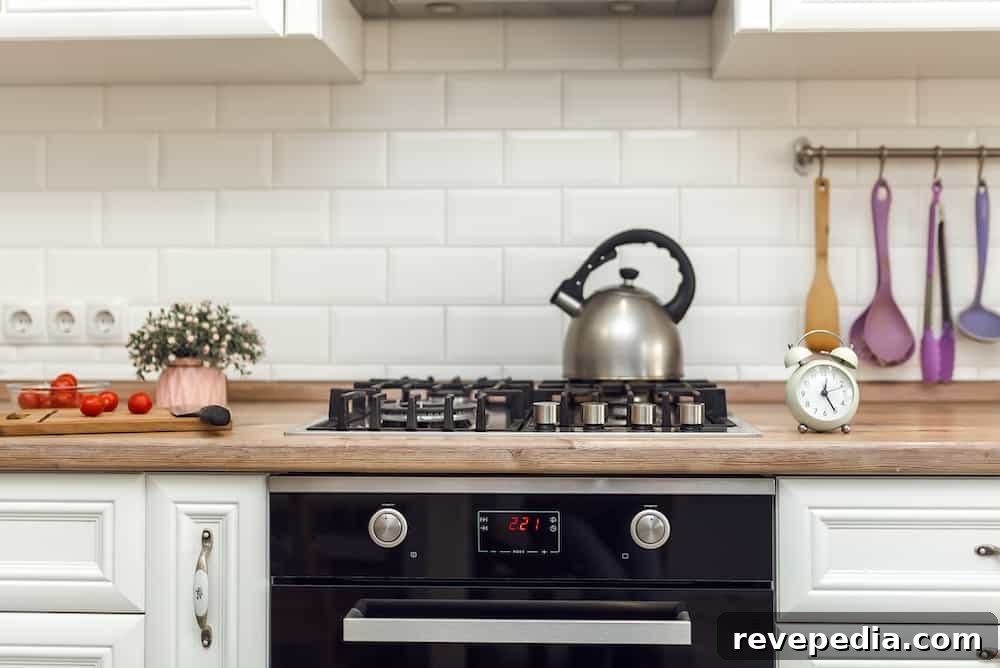
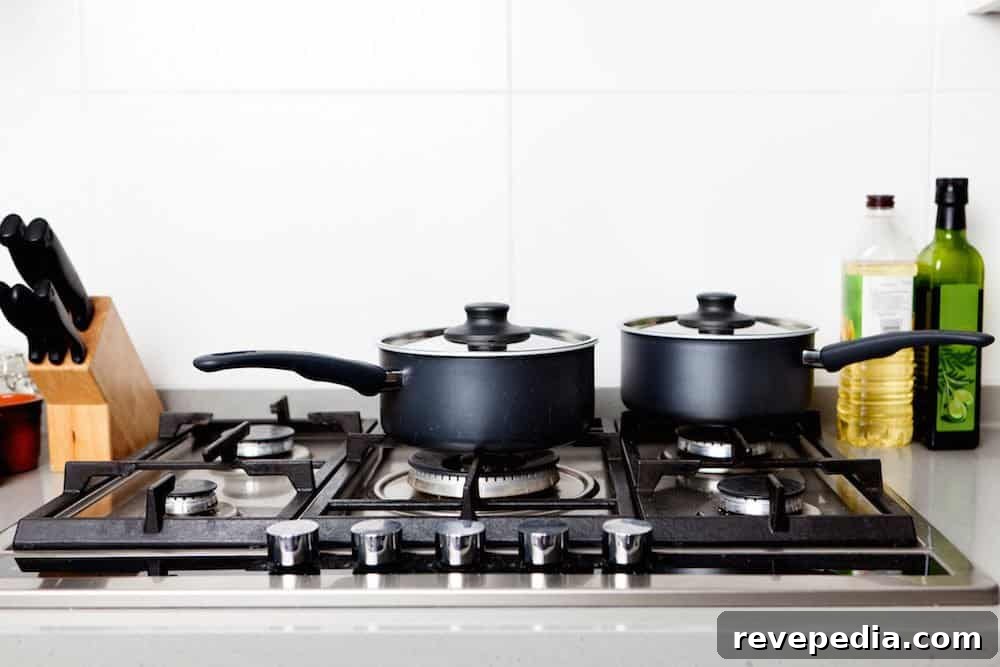
A cooktop is a standalone cooking surface installed into a countertop or kitchen island and does not include an oven. Cooktops are designed to pair with a separate wall oven or built-in cooking cavity. They come in gas, electric, and induction versions and typically offer between two and six burners, with some models including griddles or other specialty zones.
Cooktops offer design flexibility because they can be placed anywhere there’s countertop space and the necessary hookups. This allows you to position cooking zones independently of your oven, which is a popular layout in modern and professional-style kitchens.
They also often provide more precise heat control—particularly induction and professional gas models—which makes cooktops attractive to serious cooks who value responsive temperature adjustments.
On the downside, a cooktop requires a separate oven or microwave, increasing the overall cost and the complexity of installation. Installing a cooktop typically involves cutting into the countertop and ensuring proper ventilation and utility connections.
How to Choose the Right Appliance
Start with how you cook. If you bake, roast, or cook large meals regularly, a range or a built-in oven combined with a cooktop will suit you best. If oven use is infrequent or you need to maximize space, a cooktop paired with a compact wall oven or microwave might be a better fit.
Consider your budget. Ranges are often the most cost-effective option because they combine two functions in one appliance. Investing in a separate cooktop and wall oven or a higher-end slide-in model will typically be pricier but can offer advanced features and customization.
Also consider kitchen layout and aesthetics. A range or compact cooktop is ideal for smaller kitchens or for achieving a streamlined look. Built-in stoves and separate cooktop/oven combinations offer a more integrated, designer appearance and greater flexibility in kitchen planning.
Top Choices by Category
Popular mid-range and entry-level models from established brands often balance performance, reliability, and value. Gas ranges with five burners are a common favorite for families who cook frequently, while electric ranges remain a solid, affordable option for many households. Well-regarded cooktops in both gas and electric configurations deliver reliable performance and good value when chosen from reputable brands.
Design and Ventilation Considerations
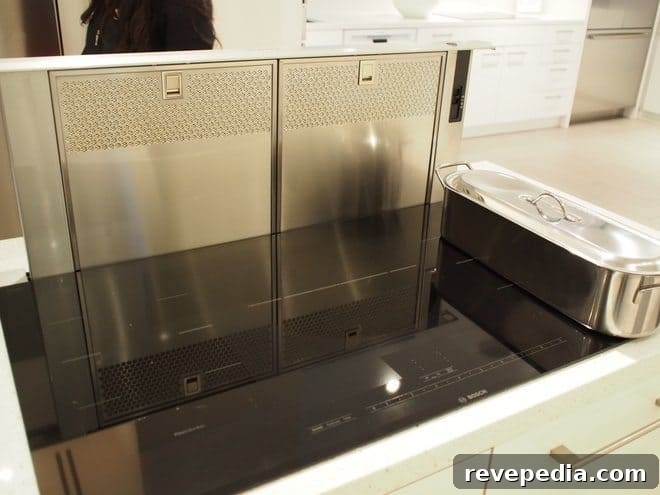
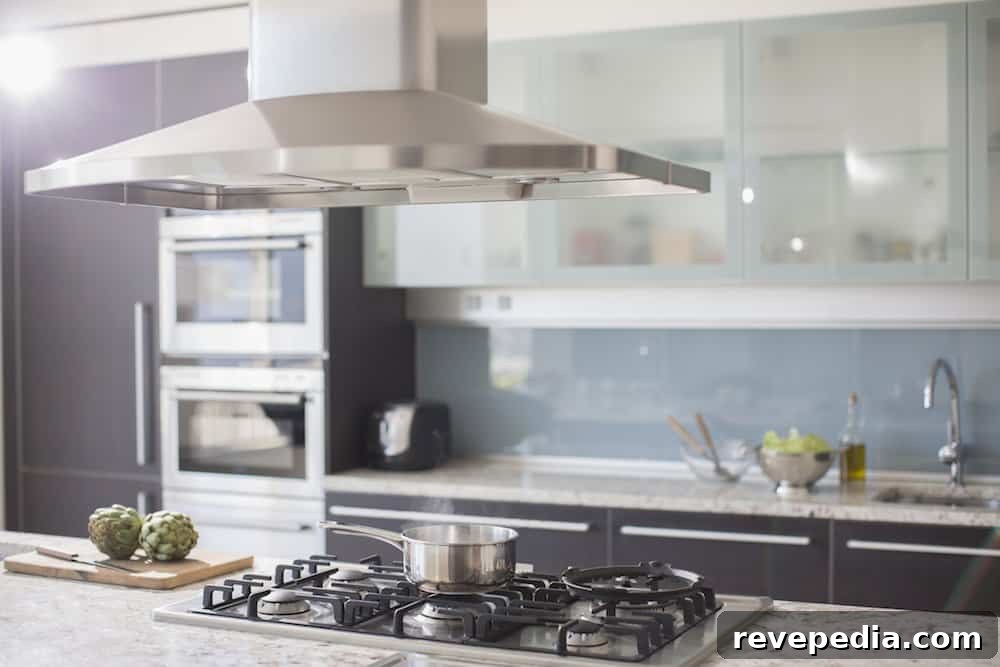
When selecting an appliance, remember ventilation. Range hoods can be wall-mounted, island-mounted for cooktops on islands, or downdraft—where vents rise from the countertop to remove smoke and steam. Proper ventilation improves indoor air quality and protects cabinetry and finishes from cooking residue.
Attending manufacturer demonstrations and showroom events can provide useful hands-on experience. Leading appliance brands offer a range of products from mainstream to premium models, and seeing features in person can help you decide which functions matter most for your cooking style and kitchen design.
Top-tier manufacturers produce high-end ovens, ranges, cooktops, refrigerators, and dishwashers that focus on performance, durability, and design. Learning about available technologies—such as convection ovens, induction cooktops, and sealed gas burners—can guide you to the best fit for your needs.
Best Appliance for a Small Space
For small kitchens, a freestanding range is often the most practical choice. It combines oven and cooktop in one footprint, preserving countertop space while providing full cooking functionality.
Best Appliance for a Large Home
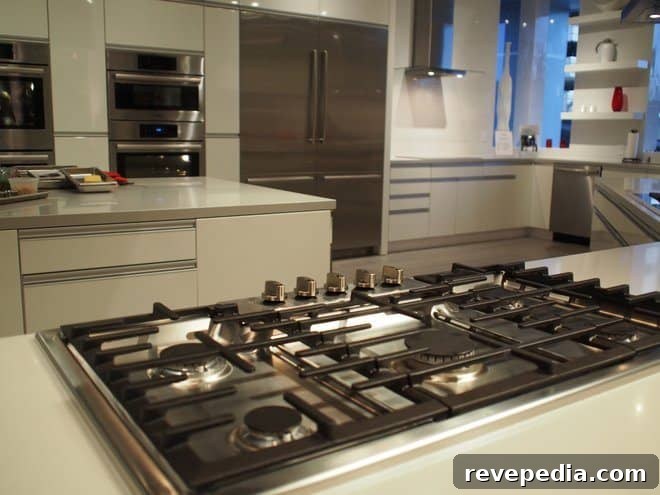
In larger homes with more layout flexibility, separating the cooktop and wall oven gives you the most design and performance options. You can place an oven and cooktop in different areas to create efficient work zones and a professional aesthetic.