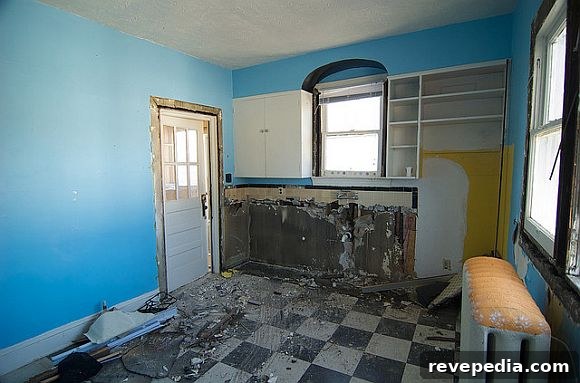
You’re planning a major renovation — a new kitchen, an updated bathroom, or perhaps an entire home remodel. Before installing the new finishes and fixtures, you must remove what’s already there. Traditionally, that meant demolition: smashing out walls, fixtures, and finishes, often with sledgehammers or heavy equipment handled by professionals.
Today, as sustainability becomes a higher priority, deconstruction is gaining traction. Like demolition, deconstruction removes the existing structure to make way for new construction, but it’s carried out with care so valuable materials—timber, tiles, fixtures, doors, and flooring—can be salvaged and reused. That approach reduces landfill waste, supports material reuse, and can preserve character and craftsmanship that are hard to replicate with new products.
Because deconstruction is still an emerging practice, experienced contractors are less common than those who specialize in traditional demolition. One practical consideration is cost: deconstruction typically requires more time and labor, so it can cost significantly more than standard demolition. However, there are offsetting benefits. Donating reclaimed materials to nonprofit outlets, like local Habitat for Humanity ReStores, may yield tax deductions that partially or fully offset the higher upfront expense. Reclaimed pieces can also be repurposed in your own project, providing unique, often higher-quality finishes at a lower price than comparable new items.
If you plan to reuse salvaged wood, tile, or other materials, allow time and budget for refinishing and repairs. Refinishing reclaimed wood, for example, can restore its appearance and structural integrity, and many homeowners find the extra effort worthwhile for the warmth and character reclaimed materials add to a remodeled space. Carefully salvaged fixtures and hardware may simply require cleaning and minor restoration to fit seamlessly into a new design.
When deciding between demolition and deconstruction, weigh several factors: the availability of skilled deconstruction contractors in your area, your budget and timeline, the value of materials on the property, and your priorities for sustainability. If high-quality salvageable materials are present and sustainability or historic preservation matters to you, deconstruction is often the better choice. If speed and lower immediate cost are paramount, demolition may remain the practical option.
Ultimately, deconstruction offers environmental benefits and the opportunity to reuse distinctive materials that add character to a renovation. Whether you choose demolition or deconstruction, planning ahead and discussing options with qualified professionals will help you make the most appropriate decision for your project.
Photo: Flickr.com/scrap_pile