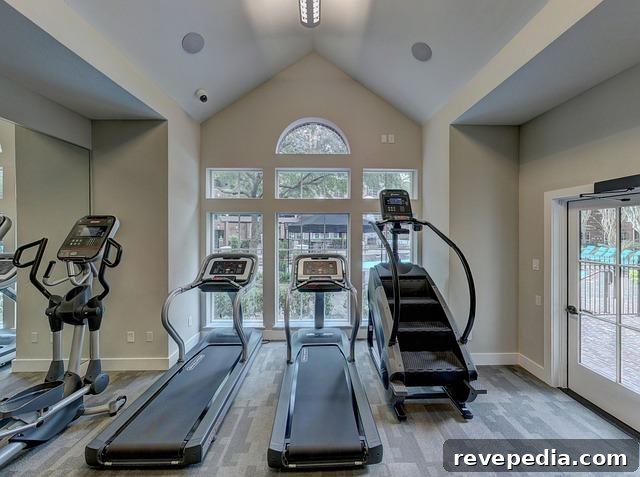
Home gyms have evolved significantly in recent years. Once a practical alternative to crowded commercial gyms, they are now central to many people’s approach to health and fitness. Adjustable dumbbells, squat racks, cardio machines, and thoughtfully arranged workout rooms are common in homes where exercise is a priority.
Despite the attention paid to equipment selection and exercise planning, recovery often receives far less consideration. People focus on how many tools they need, which exercises to include, and how to improve performance, while recovery becomes an afterthought. Yet recovery plays a crucial role in how sustainable and enjoyable a fitness routine feels over time.
It’s easy to assume inconsistent training stems from poor technique or lack of willpower. In many cases, the real problem is a lack of intentional recovery. Without an environment and routine that support rest and repair, even well-designed workout programs can become difficult to maintain.

Photo by Intenza Fitness on Unsplash
Why Recovery Affects Motivation More Than People Realize
People often think motivation precedes action, but motivation is strongly shaped by how you feel physically. Waking up sore, tired, or mentally drained makes the idea of another workout far less appealing than waking up rested and ready. Recovery influences energy, mood, focus, and the willingness to keep showing up.
Recovery is about more than repairing muscle tissue. It determines daily energy levels and mental clarity and affects how rewarding exercise feels. When recovery is neglected, workouts can start to feel punishing, and many interpret that as a lack of discipline rather than a sign their bodies need better support. This misinterpretation creates a negative loop where training becomes harder to sustain despite good intentions.
The Missing Area in Many Home Gyms
Many home gyms are designed around exertion: every inch dedicated to equipment, storage, or training space. A recovery area is frequently overlooked. Yet recovery doesn’t require a lot of space or expensive gear. The goal is to provide a transitional environment where the body can move out of training mode—comfortable seating, accessible hydration, good airflow, natural light, and a calmer atmosphere can make an immediate difference.
Environments shape behavior. When a space is intentionally set up for recovery, people are more likely to adopt restorative habits. Without it, they often finish a workout and dive straight back into work, screens, or household responsibilities, leaving little time for the body to reset.
Nutrition Plays a Bigger Role Than Workout Timing Debates

Photo by Jimmy Dean on Unsplash
Fitness culture loves debating details, including whether to eat before or after a workout for fat loss. Timing can matter in specific situations, but broader nutritional consistency generally has a greater impact. Overall eating patterns influence energy, recovery quality, and workout performance more than a single meal timing decision.
Many people shift away from rigid rules and toward practical routines that fit daily life. A sustainable, consistent approach to nutrition supports recovery more effectively than obsessing over the perfect meal schedule. When nutrition reliably supports the body, recovery improves and training becomes easier to maintain.
Comfort Is Becoming Part of Fitness Design
As more people exercise at home, comfort and atmosphere are becoming key considerations in gym design. What started as a short-term workaround for busy schedules is now an enduring lifestyle choice, and that change is reflected in how people build their spaces.
Comfort includes lighting, layout, flooring, and general ambiance. Home gym buyers increasingly care about how a space feels as much as how it looks. A pleasant environment supports mood, relaxation, and recovery, shifting the focus from pure performance to a more holistic wellness experience.
The aim is not just to assemble equipment but to design a space that supports the entire fitness journey—training, recovery, and everyday use.
The Best Fitness Habits Are Easier to Repeat
Recovery is essential for consistency. The most effective workout program is rarely the most intense; it’s the one a person can sustain for months and years without burning out. Recovery habits—quality sleep, balanced nutrition, proper hydration, stress management, and a comfortable environment—make exercise feel sustainable rather than obligatory.
Emphasizing recovery shifts the goal from short-term spikes in effort to long-term, steady improvement. Progress comes from building repeatable habits and creating conditions that support ongoing participation, not from constantly pushing harder week after week.
A Great Home Gym Should Support More Than Exercise
The most successful home gyms are those that integrate naturally into everyday life. Rather than filling a room with as much equipment as possible, the best spaces encourage movement, support recovery, and foster consistency. When a home gym aligns with daily routines and supports rest, nutrition, and sleep, it produces better long-term results than a setup focused only on performance metrics.
Fitness extends beyond the moments spent lifting weights or running on a treadmill. Recovery, nutrition, sleep, and the surrounding environment all determine how effective those workouts become. A well-designed home gym helps people feel stronger, healthier, and more energized—often thanks to recovery areas that allow the body to reset after training.