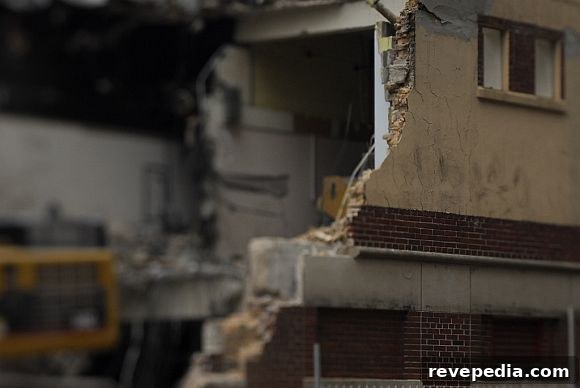
Recycling materials from demolition projects—whether from a high-rise teardown or a small bathroom renovation—is one of the most effective ways to reduce waste and build more sustainably. Reusing concrete, brick, wood, metal, and other salvaged materials can lower demand for new resources, cut disposal costs, and lessen the environmental impact of construction activity.
Honolulu’s new push to reuse construction waste
Honolulu is tightening rules around construction and demolition debris. A proposed city bill would require builders to reuse or recycle 60 percent of waste generated by construction and demolition work. The measure targets common materials such as concrete, masonry, rock, brick, wood, roofing, plaster, steel, and similar building components.
The move reflects growing concern about construction-related waste: in the United States, construction and demolition debris represents roughly 25 to 30 percent of the total solid waste stream, yet only about 20 to 30 percent of that material is typically recycled or reused. In Honolulu the situation is urgent because local landfills are approaching capacity, which is increasing the pressure on policymakers to find alternative solutions.
Benefits of recycling and reusing construction materials
Recycling and salvaging materials from demolition projects brings several advantages:
– Environmental: Less material sent to landfills, reduced need for virgin materials, and lower greenhouse gas emissions from extraction and transport.
– Economic: Salvaged materials can be less costly than new supplies, and standard disposal fees are reduced when waste is diverted.
– Community: Reclaimed building components can support local reuse programs, donation centers, and civic projects that benefit neighborhoods.
Practical options for handling surplus materials
If you have leftover or deconstructed materials that you do not plan to use, there are practical alternatives to sending them to a landfill. Consider these options:
– Donate usable materials to nonprofit organizations, community centers, or building-material reuse stores where contractors and hobbyists can purchase them at reduced prices.
– Sell reclaimed fixtures, doors, windows, and architectural elements through local classifieds, consignment stores, or online marketplaces.
– Recycle specific materials such as metal, concrete, and certain types of wood through dedicated recycling facilities.
– Work with specialized deconstruction contractors who focus on careful dismantling to maximize salvage and minimize waste.
Design and planning strategies to increase reuse
Integrate reuse goals into the design and project planning stages to make recycling more effective:
– Specify salvaged or recycled materials up front to create demand and ensure they are incorporated.
– Design for disassembly so components can be removed in good condition for future reuse.
– Sort and store materials properly on site during demolition to preserve their value and make them easier to pass along or sell.
Share your experience
Have you reused construction materials in a recent project, donated surplus items, or worked with a deconstruction team? Sharing real-world tips and lessons learned can help others adopt better practices and support broader recycling efforts. Practical insights—such as which materials held up best, where you successfully sold or donated items, or how you managed logistics—are especially valuable to builders and homeowners planning renovations.
Photo by smaedli