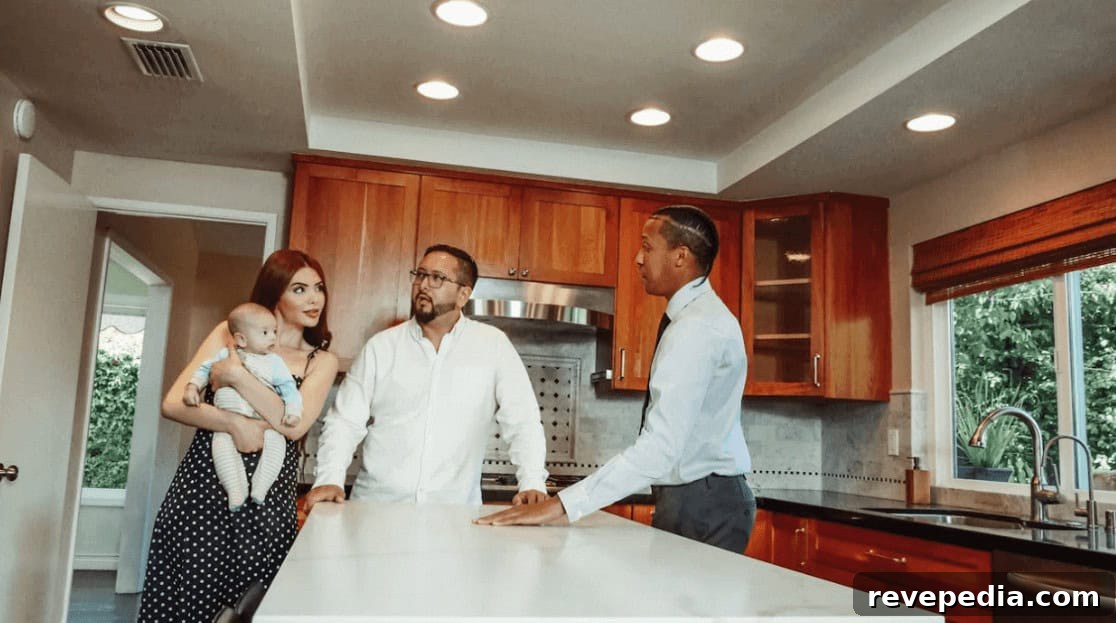
Moving into a newly built home is more than a change of address; it’s an opportunity to improve how you live every day.
Leaving a familiar house also means leaving the routines and physical triggers that shaped your habits. A new home gives you a clean slate before furniture fills the rooms and storage fills with clutter.
That blank slate is powerful. Layout, lighting, storage, and furniture placement shape daily behavior: a cramped kitchen makes takeout more likely, poor lighting makes projects harder, and a cluttered entryway slows busy mornings.
With a clear home improvement plan, you can design your space to promote organization, productivity, and smarter use of every room.
The Mental Reset Before You Unpack
The reset begins while your life is still in boxes. Packing forces decisions about what to keep and what to let go of, which simplifies the setup in your new home.
When the physical move goes smoothly—helped by a dependable moving company where you live—you can focus on planning how the new house will function rather than reacting to moving-day chaos.
By the time the boxes arrive, you’ll already have simplified your belongings, making it easier to assign purpose to each room and avoid falling back into old habits.
Reset Your Space to Reduce Daily Stress
A new home lets you fix the things that used to frustrate you. Instead of thinking in abstract terms about “environmental triggers,” identify physical problems you can solve.
If your old kitchen felt stressful, ask why. Was it dim lighting, limited storage, or cluttered counters? Now is the time to correct those issues before bad habits take root again.
Start with lighting: replace dim fixtures with layered lighting, add under-cabinet lights for tasks, and install dimmers so you can adjust brightness throughout the day. Good lighting improves mood and makes everyday tasks easier.
Address clutter at its source. Install built-in shelving where piles form, use drawer dividers in kitchens and bathrooms, and mount wall organizers in mudrooms and laundry areas so items stay off the floor.
Paint affects perception too. Neutral, lighter colors make small rooms feel open and calm; a fresh coat of paint is one of the quickest ways to reset the tone of a space.
Rethink furniture placement to encourage the behaviors you want: arrange seating to foster conversation rather than screen isolation, and create clear walkways so rooms feel open and functional.
Small changes in layout and storage prevent old frustrations from resurfacing. When you solve physical problems, emotional friction often fades along with them.
Create New Habits Through Smart Home Projects
The layout of your new home will shape your daily routines. Instead of letting old habits follow you, use the move as an opportunity to upgrade how the space works.
Focus on high-impact areas first. In the kitchen, improve workflow before you unpack everything: install pull-out shelves in lower cabinets to make storage accessible, add task lighting under cabinets to make cooking easier, and consider a small island or rolling cart if counter space is limited.
Create a functional entryway with a drop zone: wall hooks, a narrow bench, and labeled storage bins keep clutter from accumulating and make mornings run smoother.
If you work from home or have hobbies, define that area early. Add proper lighting, mount shelves to clear desk space, and use cable management to reduce distractions. Even a small corner can become a productive zone with intentional upgrades.
The garage is another opportunity: install wall-mounted storage or ceiling racks before boxes take over. When tools and seasonal items have designated places, the garage stays usable rather than becoming overflow storage.
These projects do not have to be major renovations. Small improvements that reduce friction can change daily use of your home. When the space supports your goals, better habits become easier to maintain.
Many homeowners also add decorative touches—like cedar gable brackets—to boost curb appeal and make the exterior feel intentionally designed without a large renovation.

Turn a Fresh Start Into a Practical Improvement Plan
A new home creates momentum. Use that energy to complete projects early, before daily life takes over.
Start with a walkthrough before you unpack fully and make a list of improvements that will increase function immediately. Prioritize upgrades that enhance how you live, not just how the space looks.
Consider projects such as:
- Installing closet systems before filling shelves
- Sealing gaps and weatherstripping doors to improve energy efficiency
- Upgrading bathroom fixtures for better water pressure
- Replacing outdated cabinet hardware for a quick visual refresh
- Mounting a pegboard or tool wall in the garage before tools pile up
Completing small projects in the first 30 days sets the tone. When you organize and improve early, clutter and unfinished tasks are less likely to accumulate.
This approach turns initial motivation into measurable progress. Rather than only intending to create a more functional home, you build one.
Establish Boundaries in a New Environment
A new home gives you a chance to reset how your space is used and how you protect your time and energy.
In your previous house, layout or proximity to family and friends may have eroded boundaries—frequent drop-ins or a workspace placed in the center of activity can make it hard to disconnect. Moving lets you design for balance.
Decide practical rules up front: who gets a spare key, how often you host, and which areas of the house are open to guests. Place your home office in a quieter area if possible and use doors, shelving, or room dividers to separate work from living space.
Small design choices make a big difference: a defined entryway prevents the whole house from feeling like open traffic, a closed door can signal the end of a workday, and a dedicated guest room keeps private areas private.
Boundaries are design decisions as much as personal choices. When your layout supports how you want to spend time and protect energy, it’s easier to maintain those boundaries without guilt.
Design a Home Office That Supports Focus and Growth
A move is the perfect time to build a workspace that truly supports concentration and productivity.
Choose a location with natural light if possible and position the desk so light comes from the side to reduce glare. Upgrade lighting with an adjustable task lamp and softer overhead LEDs to minimize eye strain during long sessions.
Install storage before clutter builds up: floating shelves keep supplies off the desk, drawer organizers separate cables and notebooks, and a mounted whiteboard or corkboard keeps projects visible.
Cable management—using clips, sleeves, or under-desk trays—reduces distractions and makes the workspace feel intentional. If possible, create a visual separation between work and relaxation with a divider, bookshelf, or rug to help you mentally clock in and out.
Ventilation and comfort are important too: add a small fan, choose window treatments that control glare, and invest in an ergonomic chair. These are not luxuries; they protect your health and productivity.
A well-designed home office supports focus, efficiency, and long-term goals, making career growth feel more controlled and less chaotic.

Build a Smart Post-Move Improvement Budget
Whether you buy or rent, a new place forces a close look at finances. Instead of reacting to unexpected costs, create a clear improvement budget from the start.
Break upgrades into three categories:
1. Immediate fixes
Address safety issues such as leaking faucets, loose railings, or electrical concerns right away.
2. Efficiency upgrades
Invest in LED lighting, a smart thermostat, improved insulation, or water-saving fixtures to lower operating costs.
3. Lifestyle improvements
Plan built-in storage, workshop upgrades, patio improvements, or home office enhancements to support daily life.
This structure helps prevent overspending on cosmetic changes while neglecting important systems, and it allows you to pace larger renovations over time. For example, energy-efficient appliances may cost more up front but reduce monthly bills; garage storage installed early protects tools and prevents damage; attic insulation improves comfort year-round.
When you treat improvements as long-term investments rather than impulse purchases, the home becomes more efficient and more valuable.
Build Ownership Through Action
Over time the house begins to feel like yours. You learn how light moves through rooms, adjust layouts, and fine-tune storage. Ownership grows from action: each improvement strengthens your connection to the space.
Starting over can feel uncomfortable at first, but with a plan it becomes an opportunity. You are not just unpacking; you are intentionally building a home that better supports your life.
Conclusion
Moving into a new home is more than unpacking boxes; it is a chance to build smarter systems from day one. Instead of reverting to old patterns, prioritize storage solutions that control clutter, improve lighting in task areas, and create dedicated spaces for hobbies or remote work. Even modest changes—better garage shelving or a more efficient pantry layout—can shift daily habits.
A new address won’t solve everything, but a thoughtful improvement plan can turn a fresh start into lasting change. When you design your space with purpose, your home does more than shelter you—it supports the life you want to build.