

Choosing the right grass for your lawn and climate is essential for a healthy, attractive yard. While Fescue and St. Augustine are among the most popular varieties, several other options may better suit your needs depending on local weather, soil, and intended use.
Below are clear descriptions and care tips to help you select and maintain the best turf for your property. Read on for practical advice on planting, seasonal care, and common issues to watch for.
Fescue

Fescue, sometimes marketed under names like Marathon, is commonly used in cooler-season lawns, particularly in transitional climates. It grows actively in cooler months and typically goes semi-dormant in hot summer weather.
While Fescue establishes a pleasant lawn, it is not the most aggressive turf type. In mixed lawns, more vigorous species such as St. Augustine or Bermuda can spread into and overtake Fescue areas if left unchecked.
Because Fescue thrives in cooler conditions, late fall through early spring is the ideal window for fertilizing and overseeding. Building a dense stand during the cool season helps the grass withstand summer dormancy and recover more quickly when temperatures moderate.
Take care with pet areas: Fescue is particularly vulnerable to dog urine burn, so targeted maintenance and prompt spot treatment are important where pets frequent the lawn.
Use Cornmeal
Cornmeal can be used as a natural weed-suppressant in winter months. For summer broadleaf weeds like dandelions, spot treatments can be effective. Avoid forcing lush summer color—allow Fescue to green up naturally as cooler, wetter months return in autumn and winter.
Bermuda

Bermuda grass is a warm-season, heat-loving turf that thrives in summer and typically goes dormant in cooler weather. Homeowners sometimes mistake its winter dormancy for death, but it usually greens back with rising temperatures.
If you prefer a green lawn through cooler months, overseeding Bermuda with winter rye is a common, simple solution: broadcast rye seed over the surface, keep it consistently moist, and it will generally germinate within a week. Be aware, however, that unusual warm spells or late-season heat can weaken or kill the rye.
Hybrid Bermuda varieties often respond vigorously to summer fertilization and irrigation, producing dense, attractive turf. However, they can be vulnerable to invasion by common Bermuda, which is less desirable. Because Bermuda spreads aggressively, weed pressure is usually minimal once a thick stand is established.
St. Augustine
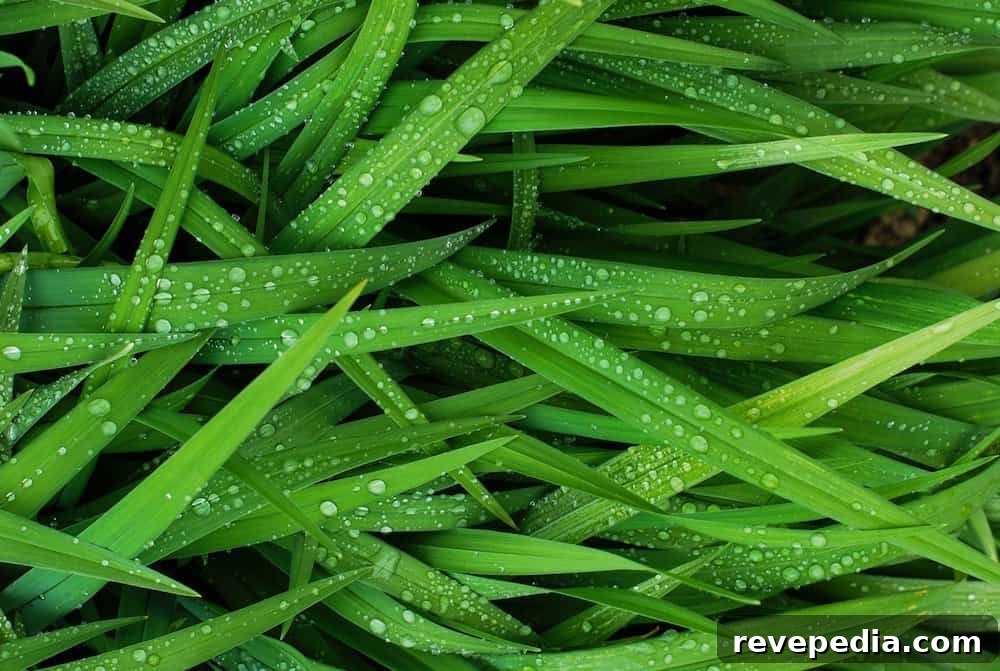
St. Augustine is a warm-season grass prized for its lush, dense appearance and tolerance of shade in many regions. When maintained properly it can be very resilient and visually appealing.
Active in warm months and less so in winter, St. Augustine often retains a neat appearance even when slightly browned. It smothers many weeds and can tolerate some pet activity better than other species. Although sources often recommend generous watering, many experienced homeowners report good results with moderate irrigation and proper cultural care.
One common pest is the chinch bug, which causes localized browning. You can check for chinch bugs by laying a light-colored sheet or paper near affected areas; if the bugs are present they often move onto the paper. Professional treatment or targeted insecticide may be needed for heavy infestations, though some homeowners accept small affected patches rather than treat aggressively.
Clover

Clover was once a common component of traditional American lawns and remains popular in parts of Europe. Recently there’s renewed interest in incorporating clover into lawns because of its ecological and practical benefits.
Clover remains green much of the year and supports soil fertility by fixing atmospheric nitrogen, which benefits neighboring grasses. A mixed lawn that includes clover often requires less fertilizer, stays greener with less water, and resists weeds naturally.
White clover (Trifolium repens or ‘Dutch White’) is the preferred variety for lawns: it tolerates mowing, resists dog urine burn better than many grasses, and spreads to fill thin spots. It also blooms with small white flowers, which some people enjoy and others find less desirable—but many homeowners find the overall benefits outweigh cosmetic concerns.
Clover is inexpensive to establish and can cover large areas affordably. It typically requires minimal supplemental watering and tends to outcompete many common weeds. For best results, sow white clover in fall and lightly topdress to help seed-to-soil contact. Clover often integrates well with cool-season grasses such as Fescue.
No Cornmeal
Avoid using cornmeal or other pre-emergent weed suppressants when you are trying to germinate clover seed. Over time clover may thin and will benefit from periodic reseeding. When seeded with compatible grasses like Fescue, clover can create a durable, low-maintenance mixed lawn.
How to Mow Your Lawn
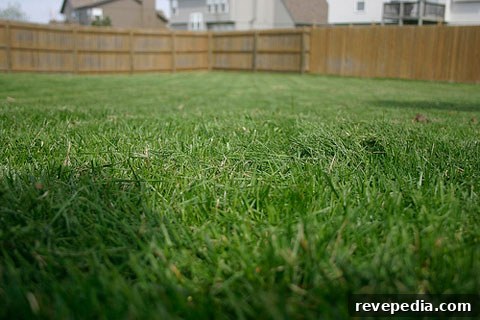
Correct mowing practices are crucial for a healthy lawn. One common mistake is mowing too frequently or cutting grass too short. Aim to maintain about 2 to 2.5 inches of leaf length for most lawns, which encourages deeper root growth and better drought tolerance.
Use a well-maintained mower with a sharp blade to make clean cuts that reduce stress and disease. Choose a mower with multiple height settings so you can adjust based on grass type and season. Regular blade sharpening and occasional maintenance will improve turf health and appearance over time.
Following seasonal care—appropriate mowing height, correct irrigation, and timely overseeding or fertilizing—will keep your lawn looking its best while reducing the need for chemical inputs and intensive maintenance.