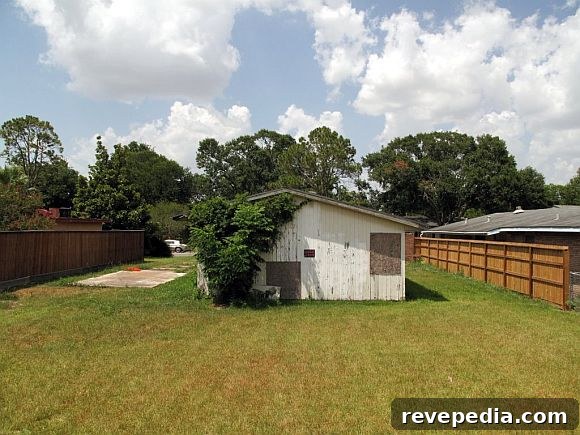
Mary Ellen Carroll’s conceptual art installation, “Prototype 180,” proposes a strikingly simple gesture: rotate an entire house 180 degrees. The action itself is literal, but the idea behind it is layered—intended to provoke questions about architecture, urban policy, and how communities evolve.
The project centers on a long-vacant house in Sharpstown, a Houston suburb. Carroll selected this specific property because it exemplifies broader urban challenges: years of neglect, shifting economic fortunes, and the consequences of Houston’s famously minimal land-use regulations. According to Carroll, the house had been unoccupied for 13 years, making it a fitting symbol for the uneven development and planning choices that shape many neighborhoods.
Carroll’s plan is not simply decorative. Rotating the home will make it a conspicuous, disruptive presence among the surrounding residences—an intentional intervention designed to alter familiar sightlines and daily routines. By interrupting the ordinary visual landscape, the work aims to prompt neighbors and passersby to reconsider how they inhabit space: how houses are oriented, how streets are organized, and how public policy affects community life.
Executing such a dramatic physical transformation requires substantial logistical effort. The structure was already in poor condition, and flipping a full house involves engineering, construction, and coordination among specialists. The scale of the undertaking underscores the conceptual stakes: the act of moving and reorienting an object as large and emblematic as a house draws attention to the labor, resources, and decision-making processes that underlie the built environment.
Beyond its visual impact, Prototype 180 functions as a commentary on urban planning and zoning. Sharpstown, once a thriving postwar planned community, has experienced economic reversals that mirror larger metropolitan trends. By making that history visible in a single, dislocated structure, Carroll invites dialogue about the causes and consequences of decline, as well as potential approaches to revitalization. The project raises questions rather than prescribing solutions: can such an artistic intervention influence conversations about land use? Might it inspire new thinking about policy, preservation, and adaptive reuse?
Prototype 180 was scheduled for display later this month, though its rotation faced delays related to construction challenges. The project’s organizers have indicated they will publish updates as work proceeds. When completed, the rotated house will be both a physical landmark and a conceptual prompt—an artwork that uses bold manipulation of the ordinary to encourage reflection on how cities change, who makes those decisions, and what alternative futures might look like.
In sum, Prototype 180 uses a single, highly visible act—turning a house on its axis—to explore complex issues of architecture, community, and policy. Its power rests in the collision between a deceptively simple gesture and the complicated realities required to carry it out, inviting residents and visitors alike to look more closely at the spaces they inhabit and the systems that shape them.