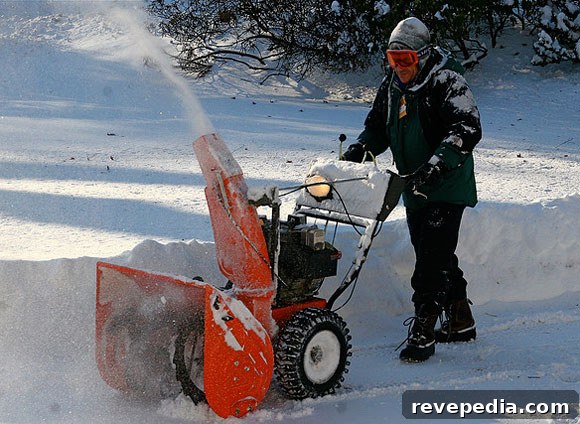
The Northeast is digging out from record snowfall, and many people are returning to their snowblowers and shovels. Below are practical, safety-focused tips for clearing snow and guidance on what to do if an injury occurs.
1. Assess the Situation
Before you head outside, consider whether you really need to leave the house. Can you work from home or postpone nonessential travel? If temperatures are rising, waiting 24 hours can make shoveling easier because the snow softens. On the other hand, if it will freeze, newly fallen snow can become packed and harder to remove, so clearing it while it’s fresh may be preferable.
Estimate how much snow has accumulated and whether you are prepared for the task. Do you have the right tools and enough time to complete the job without rushing?
2. Warm Up
Shoveling snow is a strenuous full-body activity that stresses your back, shoulders, arms, core, and legs—often muscles you don’t regularly use. Treat snow removal like a workout: warm up and stretch first. Eat a balanced meal beforehand, and stay hydrated before, during, and after you work. Taking these steps reduces the risk of strain or cardiac events linked to sudden heavy exertion in cold weather.
3. Check Your Equipment
Inspect your shovel for cracks, loose handles, or a damaged head. A sturdy, well-sized shovel suited to your strength and the type of snow makes the job safer and more efficient.
If you plan to use a snowblower, ensure it has been serviced and is in good working order. Check fuel levels, spark plugs, cables, switches, and that the auger and blades are securely attached. If the engine won’t start, check the plugs and fuel lines rather than forcing it into use.
4. Watch for Hidden Hazards
Snow can conceal objects like garden borders, hoses, fire pits, toys, or landscaping features. When shoveling or operating a snowblower, move cautiously around areas where hazards might be buried. Avoid aggressive sweeping motions near unseen obstacles to prevent damage to equipment or injury.
5. Take Breaks
Work in manageable intervals and rest frequently. Short breaks reduce fatigue and lower the chance of overexertion, allowing you to finish the job more safely and effectively. Pay attention to how your body feels; dizziness, chest pain, or unusual shortness of breath require immediate rest and medical attention.
6. Responding to Injuries
If you feel a muscle strain, back pain, or shoulder tweak, stop immediately, go indoors, and warm up. Apply ice to reduce swelling and avoid further activity until you can assess the injury. Continuing to shovel through pain can lead to more severe damage.
In the event of a severe injury—such as a deep laceration or an amputation caused by a snowblower—act quickly. Call emergency services right away. While waiting for help:
- Apply direct pressure with a clean cloth or sterile bandage to control bleeding.
- If there is a severed finger or small extremity, retrieve it if possible, rinse it gently with clean water, place it in a sealed plastic bag, and then place that bag on ice. Do not place the severed part directly on ice or in water.
- Keep the injured person warm and as calm as possible, and transport the patient and the preserved part to the hospital immediately when emergency responders advise transport.
Final Notes
Most snow removal tasks can be done safely by planning ahead, using appropriate tools, warming up, pacing yourself, and watching for hazards. Respect the physical demands of shoveling and the power of snowblowers to prevent injuries. If you have any existing heart, respiratory, or musculoskeletal conditions, consult your physician before undertaking heavy snow removal.
photo: muffet