A well-equipped workshop is a place of creativity, precision, and problem-solving—but it also contains sharp edges, fast-moving parts, heavy materials, and combustible dust. Whether you’re milling hardwood, tuning a table saw, or working on a weekend renovation, the margin for error is small and good habits separate productive shops from dangerous ones.
Experience shows that skill alone won’t prevent injury; discipline does. Clear safety protocols, consistent routines, and respect for tools protect your hands, your eyesight, and your ability to keep building for years. The rules below are not optional suggestions but foundational practices for a safer workshop.
Wear the Right Protective Gear
Proper personal protective equipment is the cornerstone of workshop safety. Safety glasses or a face shield protect your eyes from flying debris, while hearing protection reduces the long-term risk of noise-induced hearing loss from loud machinery.
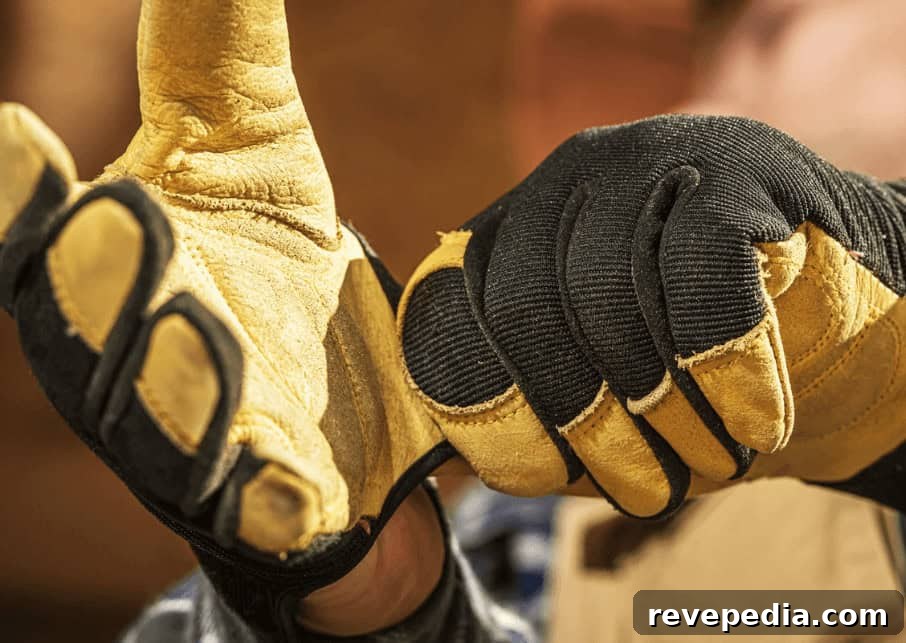
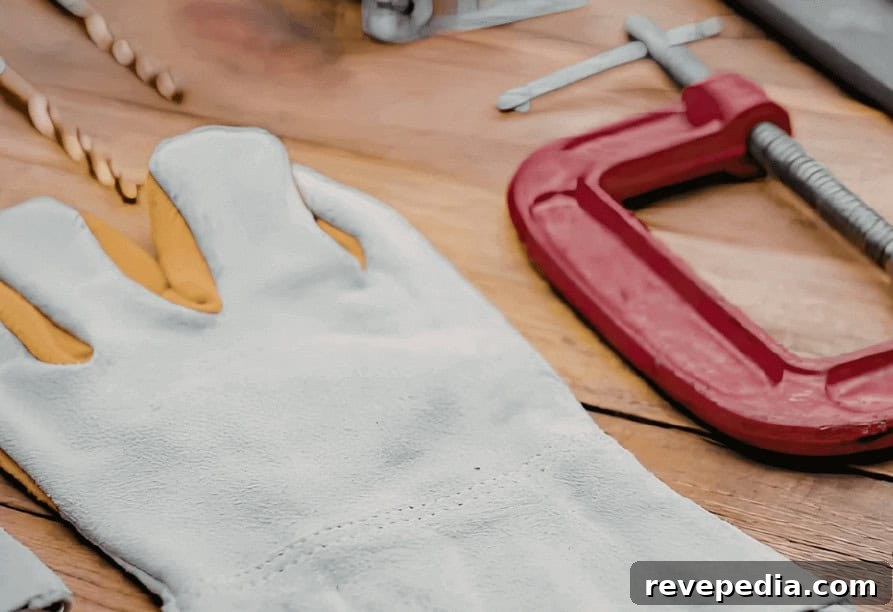
Gloves are helpful for handling rough or sharp materials, but should never be worn when operating spinning tools or drill presses—loose fabric can be pulled into moving parts. Wear sturdy, closed-toe footwear to protect your feet from falling tools and heavy materials. If you feel tired, frustrated, or tempted to improvise, pause the project until you can work safely.
Keep Your Workspace Organized
A tidy workspace reduces accidents. Tools left on benches or the floor can cause trips, falls, or accidental activation. Return tools to designated storage after use, keep walkways clear, and maintain clean, well-lit work surfaces. Good organization not only lowers risk but also improves efficiency and focus.
Remove Jewelry Before Using Tools
Removing jewelry is a simple but often-overlooked safety step. Rings, bracelets, necklaces, and watches can catch on rotating parts or conduct electricity, leading to severe injuries such as degloving. Before using a table saw, lathe, or any power tool with exposed moving parts, remove jewelry and store it safely until the work is complete.
Respect Power Tools
Power tools are indispensable, but they demand respect. Read and follow the manufacturer’s instructions, use the correct tool for the task, and never defeat guards or safety devices. Keep hands, loose clothing, and long hair away from moving parts. Unplug or switch off tools before adjusting, changing blades, or performing maintenance.

Ensure Ventilation and Control Dust
Dust and fumes from cutting, sanding, gluing, or finishing can harm your lungs and create fire hazards. Use local exhaust, dust collection systems, and fans to ventilate the workspace. When necessary, wear an appropriate respirator or dust mask. Regularly clean work surfaces and collection systems to prevent dangerous dust buildup.
Practice Fire Safety
Many workshop materials and finishes are flammable. Keep a suitable fire extinguisher nearby and learn how to use it. Store flammable chemicals and solvents in labeled, approved containers away from heat sources and ignition points. Avoid open flames and smoking in the workshop, and be mindful of hot sparks when grinding or welding.
Stay Focused and Avoid Fatigue
Fatigue and distraction are common causes of accidents. If you feel tired, take a break. Avoid alcohol or other substances that impair judgment when working with tools. Keep your phone out of reach while operating equipment, and minimize interruptions so you can concentrate on the task at hand.
Keep Learning and Train Regularly
Safety is an ongoing commitment. As you tackle more advanced projects or use new tools, invest time in training and refresh your knowledge of best practices. Community classes, manufacturer workshops, and trusted tutorials can teach safe techniques and proper tool maintenance, helping you work more confidently and safely.
Prioritize Safety Over Convenience
Quality tools matter, but the same care should go into safety gear and safe practices. Protective equipment, organized workspaces, adequate ventilation, and focused attention are not obstacles to creativity—they enable sustained craftsmanship. Make safety a routine rather than a reaction, and you’ll reduce accidents while improving productivity.
A workshop should be a place where projects progress with confidence rather than near misses. By building disciplined habits now—wearing the right gear, keeping a clean environment, respecting tools, controlling dust, and staying rested—you protect yourself and ensure your workspace remains a controlled environment where skill, precision, and creativity can thrive for years to come.