We’ve discussed living through a large-scale renovation several times here at C&H. Whether you relocate to a short-term rental or carve out temporary rooms in your home, remodeling inevitably disrupts daily life during the project. The final result, though, is often well worth the inconvenience.
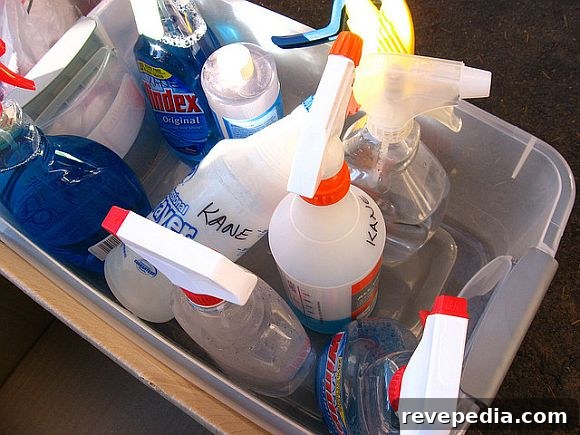
We recently found a thoughtful post on Tell’er All About It that shares a first-hand perspective on cleaning during renovations. At first glance, regular cleaning might seem pointless given the constant dust and debris generated by construction. Yet letting the mess spiral out of control can slow progress, create unsafe or unhealthy conditions, and make daily life much harder.
The Tell’er All About It approach is practical and manageable. Every night the homeowners work through a short checklist that includes daily vacuuming—yes, every day—to keep dust from building up. They also keep tools and other project materials out of the bedroom, preserving a calm, tool-free sanctuary where they can rest after a long day on the job.
From our experience, one of the most important aspects of any major renovation is deliberately maintaining a clean, quiet, DIY-free zone that serves as a retreat. This could be a dedicated room in your house, a spare bedroom, or a temporary rental for the duration of the work. Having a reliable place to relax and sleep—free from dust, tools, and noise—makes the process far more tolerable and protects your physical and mental well-being.
Here are some practical tips to help keep a renovation livable and organized:
- Designate a sanctuary: Choose a room or temporary space where no construction materials, tools, or paint are allowed. Make it comfortable and easy to maintain.
- Daily short cleanups: Commit to quick nightly tasks like vacuuming, wiping surfaces, and sweeping high-traffic areas to prevent dust from spreading.
- Contain the mess: Use plastic sheeting, temporary doors, or zip walls to isolate work zones and minimize dust migration.
- Store tools off-limits: Keep tools and hardware out of living and sleeping areas. Use closed storage or a garage to avoid creating trip hazards and additional dust.
- Protect floors and furniture: Lay down drop cloths or rosin paper in work areas and cover furniture to limit damage and simplify final cleanup.
- Plan waste removal: Schedule regular debris pickup or make a plan for hauling waste to avoid piles of trash accumulating on site.
- Set expectations: If you’re working with contractors, agree on end-of-day cleanup standards and who will be responsible for daily tidying vs. final cleaning.
Whether you handle cleanup throughout the project or save a more thorough cleaning until the end, the key is balancing progress with livability. Daily maintenance reduces airborne dust, lowers health risks, and keeps the project moving smoothly. It also helps protect finishes and belongings from long-term damage caused by grit and grime.
Have you been through a major renovation? Did you find it necessary to clean continuously during the work, or did you prefer a final deep clean afterward? Share your experiences and strategies—practical tips from people who’ve lived it are invaluable for anyone about to tackle a big remodel.
Photo: Flickr.com/photos/collinanderson/2912308728/