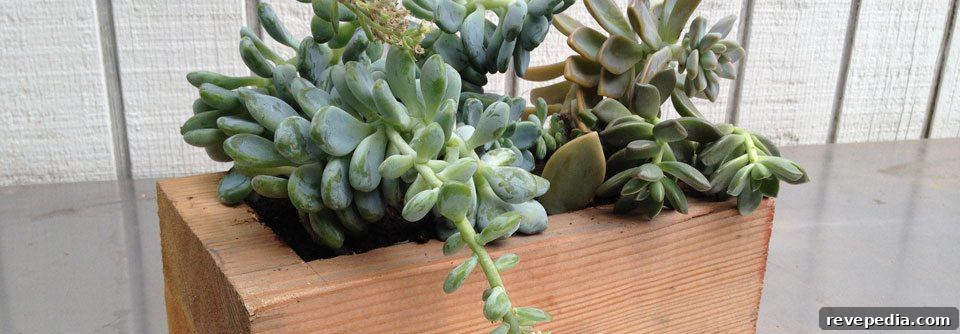
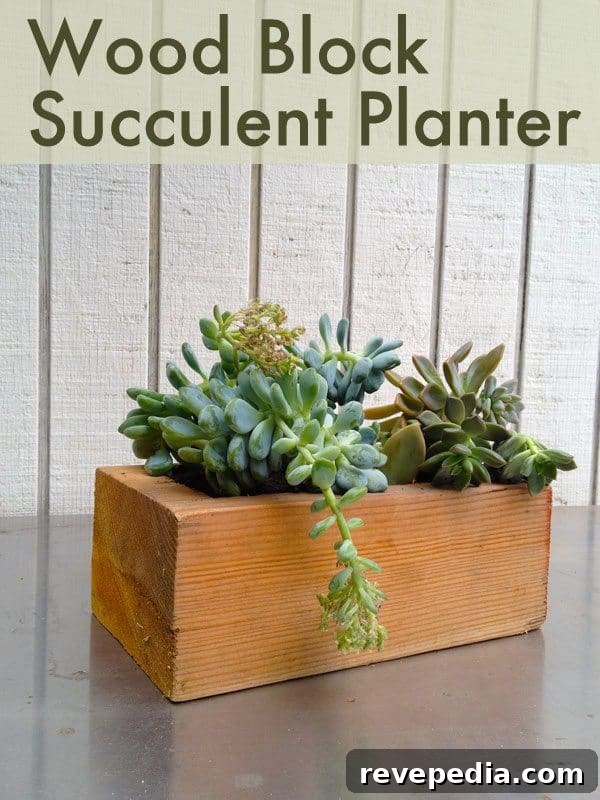
I recently admired planters made from reclaimed railroad ties and wanted to try a similar look, but I didn’t have ties on hand. Instead, I used leftover lumber to create a simple wood-block succulent planter that’s rustic, small, and easy to personalize.
What began as a straightforward build turned into a bit of improvisation. I started with one set of tools and methods, then switched approaches halfway through when I realized a different technique would work better without specialized equipment like a drill press or a deep router bit. The project took a little longer than expected, but the hands-on problem solving made it more rewarding.
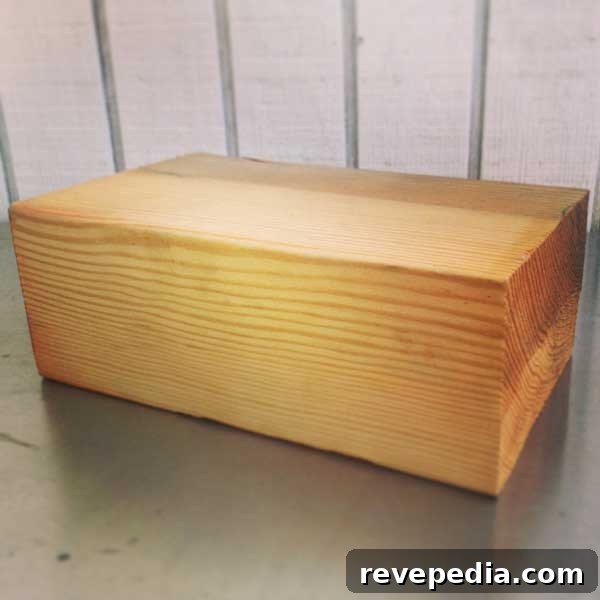
1. Materials: I used a single block of wood measuring approximately 3 1/2 inches tall, 5 1/2 inches wide, and 9 1/2 inches long. Any solid block of wood will work, but I recommend a minimum height of 3 inches so the cavity can hold soil and succulents comfortably. A standard 2×4 is usually too thin for this design.
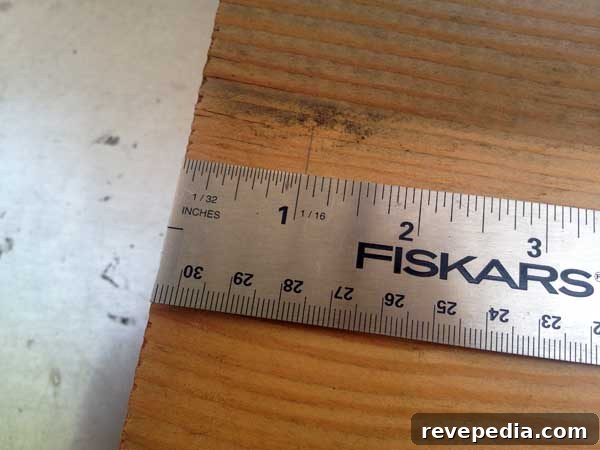
2. Layout: I marked the cavity area by measuring an inch from each side on the top surface. This centered the planting cavity and left a clean border around the edges for a balanced appearance.
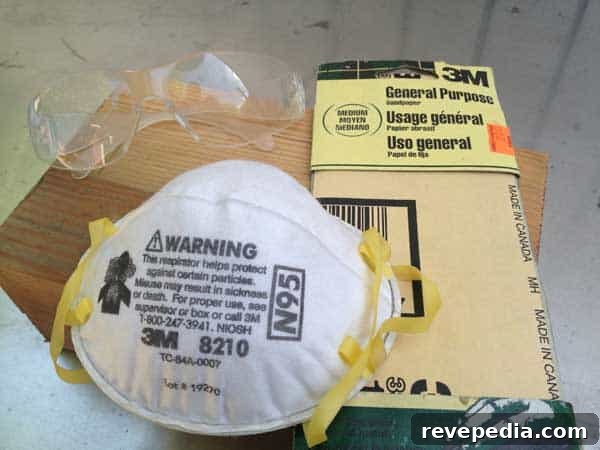
3. Tools and safety: For this build I used an oscillating multi-tool with a wood cutting blade, sandpaper from 3M Advanced Abrasives, and safety gear from 3M Tekk Protection to protect my eyes and lungs from dust. Proper protection is important whenever you’re cutting or sanding wood.
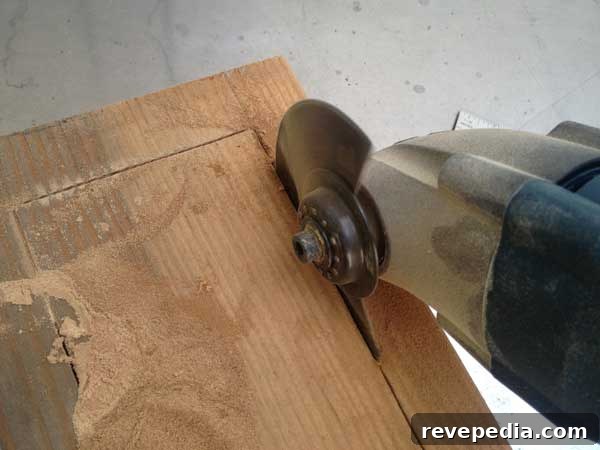
4. First approach: I initially planned to use the oscillating tool to remove most of the material and then refine the cavity with a chisel. That method proved slow and awkward for creating a smooth, even hollow, so I switched to a different technique.
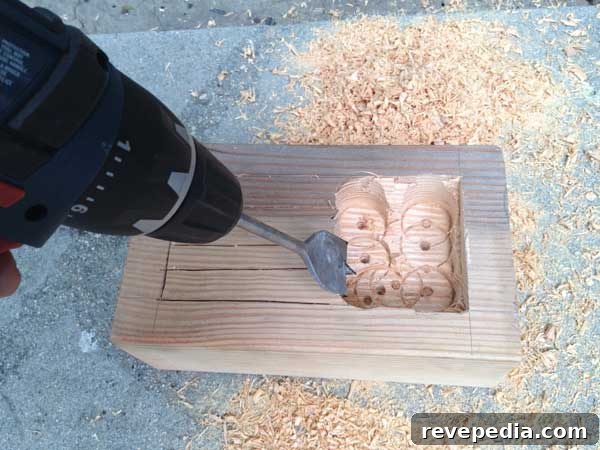
5. Final method: A 1-inch spade bit on a power drill worked well. By drilling multiple holes across the marked area and removing the waste between them, I created a planting cavity about 2 inches deep. The process is a bit tedious but effective and doesn’t require specialized woodworking machinery. After drilling, I cleaned up the cavity with a chisel and sandpaper to smooth the interior and refine the edges.
6. Planting: Fill the cavity with a well-draining soil mix suited for succulents. Add small succulent cuttings or tiny plants and lightly water to help them settle. If you prefer propagation, you can place leaves and a few stems into the soil and allow them to root over time — that’s a good follow-up project once you’re comfortable with basic planting.
Tips and variations:
– Wood selection: Use hardwood or reclaimed lumber for better durability and a more weathered look. If using softwood, consider sealing the interior to slow decay.
– Drainage: If you’re keeping the planter outdoors, drill a small drainage hole in the bottom or add a layer of gravel to prevent waterlogging.
– Finish: Sand all surfaces smooth and apply a natural oil or outdoor sealer to enhance the grain and protect the wood from moisture.
– Multiple cavities: For a grouped display, make several shallower cavities for individual succulents or cuttings within the same block.
This project was created in collaboration with 3M DIY. To explore products and project ideas, check resources from the brand.