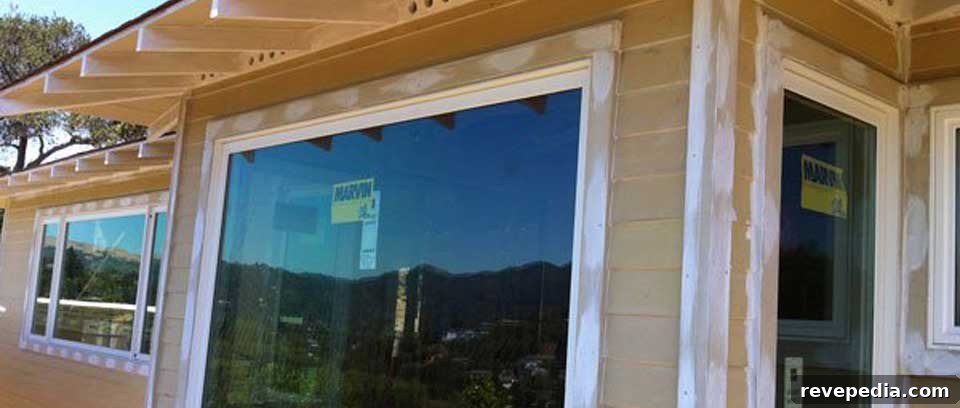
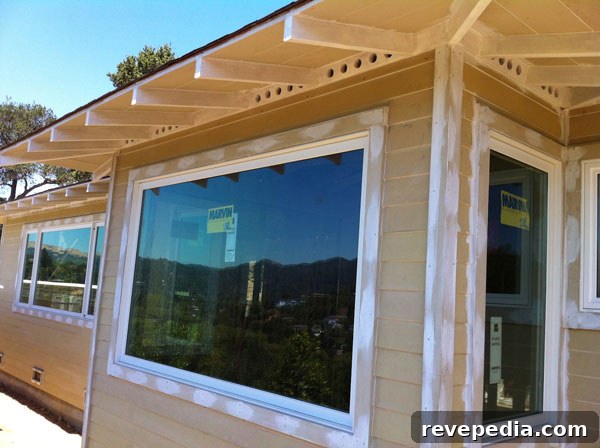
For many years I assumed all windows functioned the same: shade them when it’s hot and keep them closed when it’s cold. Today’s windows, however, use advanced glass, coatings, and construction that can significantly influence the temperature inside your home and lower energy bills. A simple window audit can reveal how efficiently your home retains or loses heat and where improvements will deliver the greatest benefits.
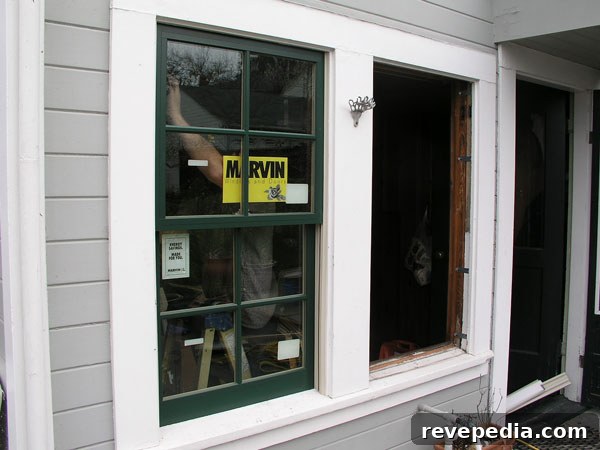
After a recent visit to the Marvin Windows factory, where every unit is custom-built, I learned how many variables go into a high-performance window. Marvin offers more than 150,000 configurations of windows and doors, letting homeowners choose the glass, coatings, insulating gases, and framing that best suit their needs.
Window Technology
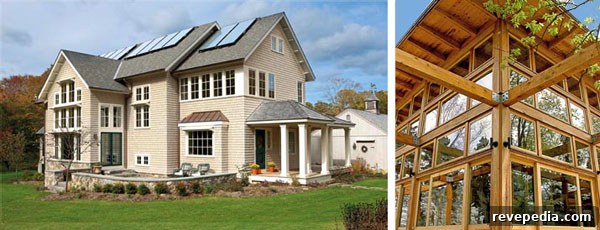
Windows and doors play a central role in a home’s comfort and energy efficiency. Modern energy-efficient windows can reduce heating and cooling bills by 15 to 25 percent compared to older units. Advances include multiple glass panes, specialized low-emissivity coatings that block unwanted heat transfer while preserving daylight, inert gases between panes that improve insulation, and better frame materials and design that reduce thermal bridging.
What’s Your Climate?
Selecting the right window depends heavily on climate. Performance priorities change from one region to another, so understanding local conditions helps choose the most effective products.
Northern Climates
In cold climates, the primary goal is to retain heat indoors. Look for windows with a low U-Factor, which indicates a reduced rate of heat loss. In addition to insulation performance, consider a window’s Solar Heat Gain Coefficient (SHGC). A higher SHGC allows more solar heat into the home, which can be beneficial in winter months when passive solar gain helps reduce heating demand.
Southern Climates and Intense Sun
In warm or sun-drenched regions, windows should minimize heat entering the home. A lower SHGC keeps solar heat out, reducing reliance on air conditioning and lowering energy consumption. In these climates, choosing glass and coatings that reflect or reject solar radiation is crucial to optimizing comfort and efficiency.
Marvin Energy-Efficient Window Options
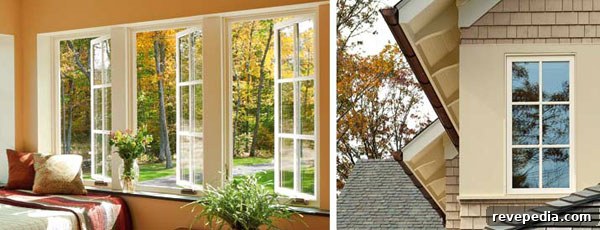
Marvin provides a highly customizable lineup so homeowners can tailor windows and doors to their specific needs. Options include dual-pane and triple-pane (Tripane) configurations combined with a range of glazing and gas fills. Many configurations meet ENERGY STAR criteria, which vary by climate zone; Marvin offers ENERGY STAR-compliant options for each zone.
Dual-Pane and Tripane
Dual-pane windows remain a versatile, attractive, and efficient choice when paired with proper glazing. Tripane units offer further performance gains, particularly in extreme climates or when narrow airspaces require higher insulating performance.
Insulating Glass Coatings
Low-emissivity (Low-E) coatings are ultra-thin metallic layers applied to glass surfaces that greatly reduce heat transfer while remaining transparent to visible light. Different Low-E formulations balance insulation and solar gain for specific climate needs:
- LoE-180: A single metallic coating that provides strong insulation (low U-Factor) while allowing higher solar heat gain (high SHGC). Ideal where passive solar warming is desirable, such as colder northern climates.
- LoE2-272: A two-layer coating that reflects heat back into the room during winter and helps reject solar heat in summer. It reduces UV transmission and offers improved protection against heat loss compared with LoE-180. Suitable for many climates except the hottest Southern ENERGY STAR zone.
- LoE3-366: A three-layer silver coating that achieves the lowest U-Factor and lowest SHGC in the lineup. This option is well suited for hot climates where minimizing solar gain and cooling loads is a priority.
Insulating Gases
Inert gases placed between glass panes improve thermal performance by slowing convection and conduction through the window unit. Common options include:
- Argon: A widely used, cost-effective choice that improves the insulating value of dual-pane windows.
- Krypton: Often used in high-performance triple-pane units or applications with narrower airspaces where maximum insulation is required. Some configurations blend krypton and argon to achieve optimal results.
Further Options
Marvin offers additional features to boost efficiency and adaptability:
- Energy Panels: Removable exterior glazing panels that fit over a sash to add insulation—useful for wood windows that originally had single glazing, and a distinct option from traditional storm windows.
- Storm and Screen Combos: Combination units with multiple movable panels that can be arranged for ventilation, protection, or screening. Panels are designed for easy removal and cleaning, and commercial-grade screens are available for specific applications.
Other Performance Notes
Marvin windows and doors are designed to meet or exceed industry standards for air infiltration, improving overall comfort by limiting drafts. They also offer advanced spacers—such as the warm-edge XL Edge spacer—which stabilize glass edges and reduce heat loss around the perimeter of the glazing. With many choices available, working with a knowledgeable dealer helps match product features to your home’s climate, orientation, and performance goals.
The right window selection depends on your climate, aesthetic preferences, and budget. By combining appropriate glazing, coatings, gas fills, and framing details, you can significantly reduce heating and cooling loads, enhance comfort, and lower energy costs without sacrificing natural light or views.
Top photo courtesy of Old Town Glass