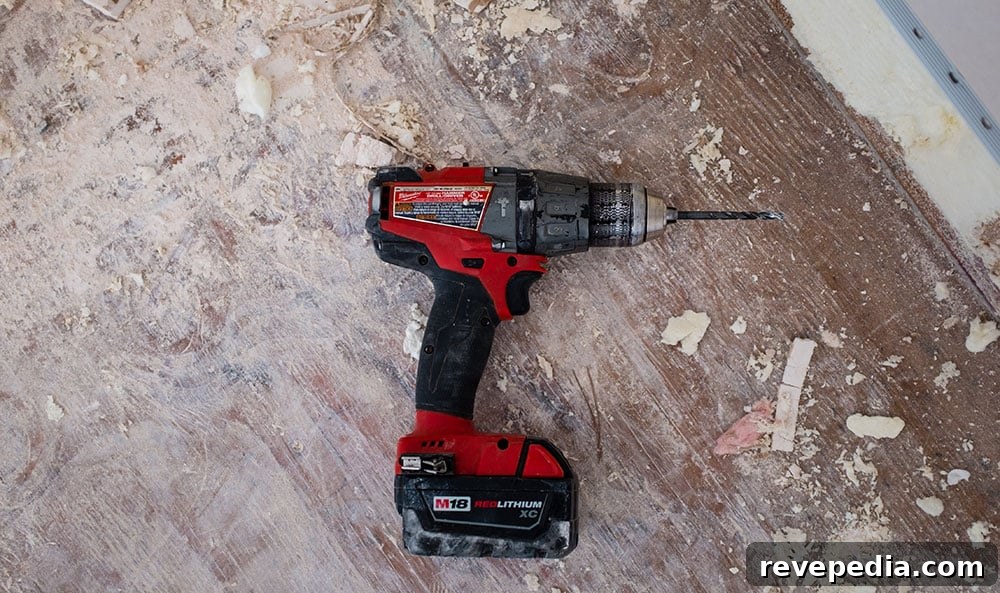
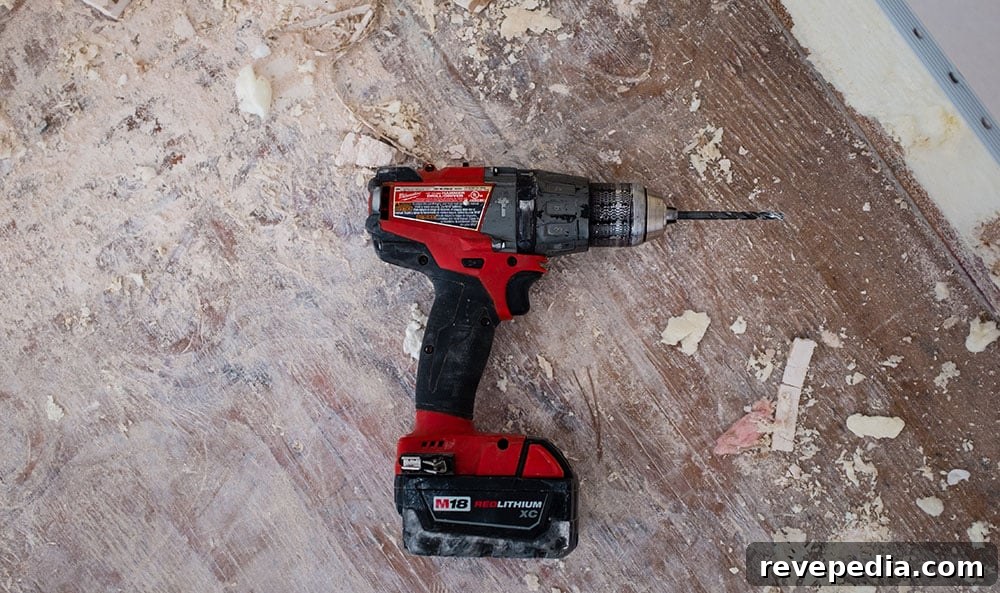
Choosing between brushed and brushless cordless power tools involves more than a simple price or preference decision. Both motor types have advantages and trade-offs, but as the cost of brushless tools continues to fall, they are increasingly becoming the preferred option for many users. This article explains how each motor type works, highlights their key differences, and helps you decide which is the better investment for your needs.
How a Brushed Cordless Tool Works
Brushed motors operate on a straightforward principle: electrical current energizes windings on a rotating armature, creating magnetic poles that interact with fixed permanent magnets to produce torque and rotation. The term “brushed” refers to the carbon brushes or sliding contacts that transfer current from the stationary wiring to the rotating armature via a commutator attached to the armature shaft. By reversing the battery polarity, the motor can be made to run in the opposite direction.
Inside the motor, copper wire coils are wrapped around laminated steel cores. When powered, these coils become electromagnets with north or south polarity depending on the brushes’ position relative to the commutator. The energized coils are attracted to the permanent magnets surrounding the armature, causing the armature to turn. As the armature rotates, the commutator switches the coil polarities so the motor continues turning.
While effective and simple to control, brushed motors suffer from friction and electrical losses caused by the physical contact between brushes and the commutator. This sliding contact generates heat, causes wear over time, and reduces overall efficiency. Brushes require occasional replacement, and the mechanical nature of the system imposes limits on longevity and maintenance intervals.
How a Brushless Cordless Tool Works
Brushless motors invert the conventional arrangement: the motor windings are fixed in the stator, while permanent magnets are mounted on the rotor. Because there is no commutator or brushes, there are no sliding electrical contacts causing friction or arcing. That eliminates a significant source of heat and wear and allows for higher efficiency and longer service life.
Without a mechanical commutator, the job of switching coil polarity falls to the tool’s electronic controller. The controller must also track the rotor’s position so it can energize the correct stator windings at precisely the right time. This feedback is commonly provided by Hall effect sensors, which detect the magnetic field of the rotor magnets or a separate magnetized reference disc aligned with the rotor. Some designs use sensorless control methods that infer rotor position from back-EMF signals.
Advanced firmware and control algorithms determine when and how long to energize each coil to produce optimal torque, power delivery, and efficiency across the motor’s RPM range. This dynamic, real-time control results in higher peak torque, improved battery runtime, smoother speed control, and less maintenance compared with brushed motors. Because the electronics can adapt coil timing on the fly, brushless motors often deliver significantly better performance for demanding tasks.
Performance, Efficiency, and Durability
Brushless tools typically offer superior power-to-weight ratios and longer runtimes when paired with the same battery pack. Removing brushes reduces mechanical losses and heat generation, so more of the battery’s energy converts into useful work. In addition, fewer wear parts mean brushless tools can require less maintenance and enjoy longer operational life, especially under heavy or frequent use.
Brushed tools remain attractive for budget-conscious buyers and for applications where simple, reliable performance at a low cost is the priority. They can be easier and cheaper to repair in some cases, and they still perform well for light to moderate tasks. However, for professionals, frequent users, or anyone seeking the best combination of runtime, torque, and long-term reliability, brushless motors tend to be the better choice.
Cost Versus Value: Which Should You Choose?
Until recently, the higher upfront cost of brushless tools was a major deterrent. But prices have dropped as the technology has matured and economies of scale have come into play. When weighing cost versus value, consider how often and how intensively you use your tools. If you use tools regularly for professional work or demanding projects, the improved efficiency, reduced maintenance, and longer lifespan of brushless tools often justify the premium.
If your needs are occasional or you’re on a tight budget, a well-built brushed tool can still deliver satisfactory results. However, if you can afford the extra cost, a brushless model will generally give you more power, longer runtime per charge, quieter operation, and less wear over time—making it the smarter long-term investment for many users.
Final Recommendation
Both brushed and brushless cordless tools have their place. For casual or infrequent use where initial expense is the primary concern, a brushed tool remains a practical option. For most tradespeople, hobbyists who value performance, or anyone who uses tools frequently, brushless technology offers clear advantages in efficiency, power, and maintenance. As brushless prices continue to fall, they increasingly represent the best balance of performance and value.