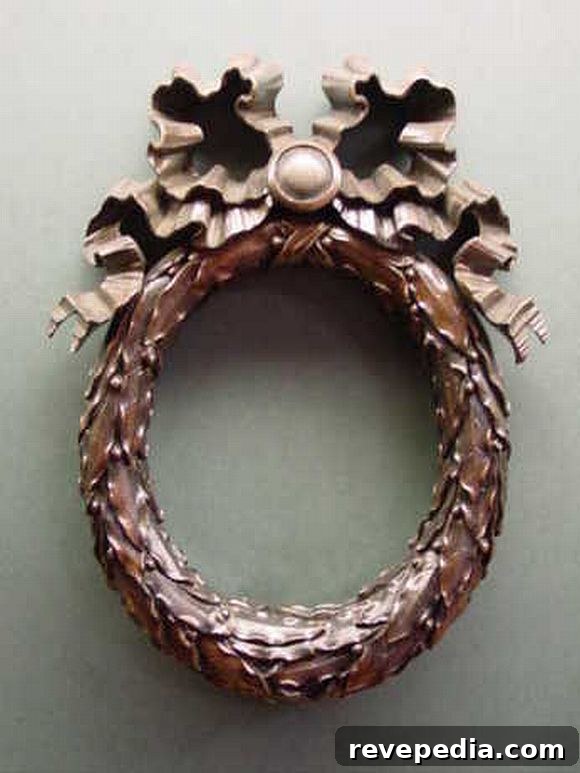
Everyone has a passion. For New Yorker Edward Rhett Butler—who prefers to go by his middle name—his fascination with hardware has grown from a personal obsession into a successful business spanning two decades.
Butler’s interest in hardware runs deep and wide. He collects and restores everything from ancient Roman keys to copper-clad lead pieces from the 1860s, along with wooden doorknobs, hinges, and countless other architectural fittings. That fascination was the subject of a profile in the New York Times, which highlighted his blend of scholarship, craftsmanship, and commercial vision.
He launched E.R. Butler & Co. originally as a restoration and sourcing shop, focusing on repairing historic metalwork and finding authentic period pieces for architects, antique dealers, and homeowners. Over the last 20 years the company has evolved into a full design, manufacturing, and distribution operation, expanding beyond restoration into original hardware design and production.
Butler’s introduction to this world came through family: he helped his father, an antiques dealer, with metal restoration projects. That hands-on apprenticeship led him to start his own business and eventually to designing hardware of his own. His earliest design work included the core mechanism of a lock, and his recent projects include elaborately crafted lever handles that marry clean, contemporary geometries with flowing, romantic curves.
His designs reflect both respect for historical detail and an eye for modern proportion and ergonomics. Butler aims to produce pieces that feel right in the hand and look appropriate in a variety of architectural settings—from restored period homes to newly built residences seeking a classical touch.
Over the years, E.R. Butler & Co. has become known for its attention to material authenticity and finish: using traditional alloys, patinas, and fabrication techniques when appropriate, while also embracing contemporary manufacturing methods to ensure durability and consistency. This blend of old and new allows Butler to serve clients who want faithful restorations as well as designers and builders who want newly made hardware with historical character.
Butler’s work demonstrates how a focused passion can become a durable business that bridges history and design. His company now supplies a wide range of hardware—locks, hinges, knobs, handles, and decorative fittings—each informed by research, hands-on restoration experience, and a designer’s sensibility.
What drives collectors and makers like Butler is often the tactile satisfaction of working with objects that combine function and beauty. Whether you collect a specific item or enjoy restoring or designing tools and objects, that engagement with material culture can be personally rewarding and commercially viable.
Do you have a favorite object you collect or a DIY project you love working on? Share what draws you to it—bonus points if it’s tool- or hardware-related.
Photo of a Louis XVI doorknocker courtesy of E.R. Butler & Co.