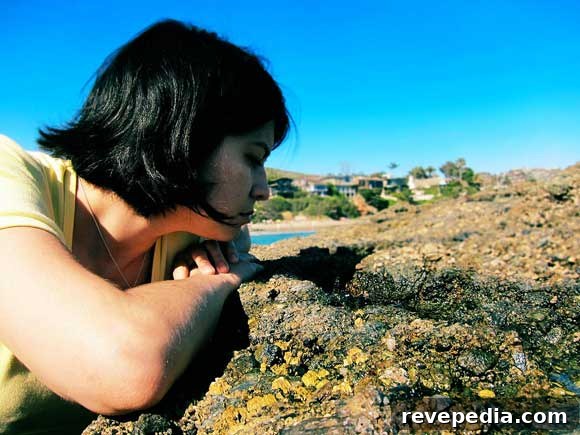
Every day, when the tide recedes, the ocean reveals small pockets of life along the shoreline. In shallow coastal areas, trapped seawater forms tide pools that host a remarkable variety of marine life—seaweeds, mussels, crabs, sea slugs, sea stars and many other creatures. These microhabitats offer a concentrated view of coastal biodiversity and attract people who enjoy observing marine life up close.
Exploring tide pools is a popular pastime, but the rocky shorelines and reefs that shelter these communities are fragile. Careless footsteps, handling of animals, or other disturbances can easily damage the delicate ecosystem. With a few simple precautions, you can enjoy tide-pooling while protecting the plants and animals that make these places special.
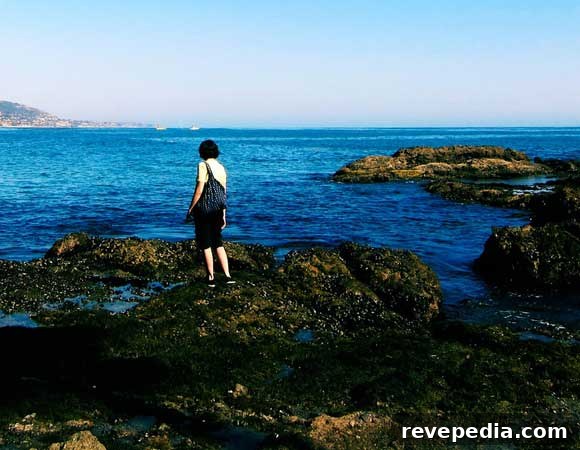
Here are practical guidelines to make your tide-pooling both fun and responsible.
Check Tide Times
Before you head out, consult local tide tables and plan your visit for low tide. Arriving at least an hour before the lowest point gives you the best window to explore safely. Many people also monitor surf and swell conditions if they plan to visit areas near breaking waves.
Scout from Maps
You can find promising tide-pooling spots by studying satellite maps of the coastline. Look for shallow, light-blue water near darker outlines of rock formations or reefs—these shapes often indicate exposed rocky areas or pools at low tide. Identifying access points and parking ahead of time makes for a smoother trip.
Wear the Right Footwear
Choose sturdy, closed-toe shoes with good traction—avoid flip-flops or loose sandals. Rocks are often wet and slippery; proper footwear protects your feet and reduces the chance of stepping on fragile organisms.
Protect Yourself from the Sun
Apply sunscreen before arriving at the shore to avoid contaminating pools with runoff. Wear a hat and lightweight protective clothing when possible to reduce sun exposure while you explore.
Bring a Field Guide
A coastal wildlife guide or a laminated reference from a dive shop makes it much easier to identify plants and animals you encounter. Learning names and natural history enhances appreciation and encourages respectful behavior.
Use a Magnifier for Detail
A small handheld magnifying glass or a phone camera with macro capability reveals intricate features of small invertebrates, algae and shells—details you might miss with the naked eye.
Observe, Don’t Disturb
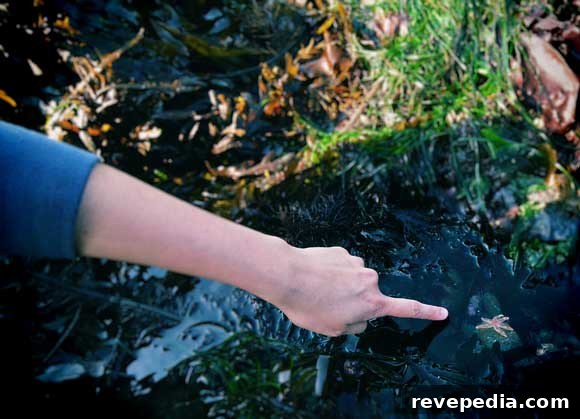
The best practice is to leave tide pools undisturbed. Avoid picking up animals, removing plants, or moving rocks. If you must handle an animal—for example, to photograph it—do so only when absolutely necessary and with extreme care: keep the creature in the water as much as possible, handle it gently, and return it to the exact spot you found it within seconds. Do not remove animals from the water for longer than a brief moment; many species breathe through gills or epidermal tissue and can be harmed by prolonged exposure to air.
Watch for Waves
Always be aware of ocean conditions. Sneaker waves and unexpected surges can sweep over rocks and into pools, posing a risk to both people and wildlife. Keep a safe distance from the surf line and never turn your back on the ocean.
Leave No Trace
Treat tide-pooling like any outdoor activity: pack out everything you bring in. Do not discard trash or leave gear on the shoreline. Even small bits of plastic or fishing line can injure marine animals and alter the habitat.
Take a moment to enjoy the whole sensory experience—the scent of salt air, the sound of waves and the vibrant colors and textures found in these tiny coastal worlds. Responsible tide-pooling protects these special places so others can enjoy them, too.
photo: courtesy of Gregory Han