
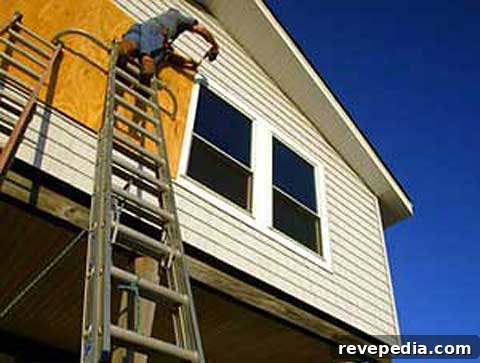
Hurricane season is here, and homeowners in low-lying or storm-prone areas should begin preparing their homes for high winds and heavy rain. If you plan to stay during a storm or your area is not under an evacuation order, protecting windows is one of the most important steps you can take to reduce the risk of injury and prevent wind-driven debris from breaking glass and entering the house.
Boarding windows with plywood is a reliable, time-tested method when done correctly. It’s safest to install panels while winds are calm—once winds increase, sheet materials can act like sails and become dangerous projectiles. Installing panels is easiest and safest with two people, especially for larger sheets. The following five steps outline a clear, practical approach to boarding wood-framed houses; masonry walls require different anchoring methods (see note at the end).
1. Locate the framing studs on each side of and beneath the window. Screw or anchor material must bite into framing members—plywood fastened only to trim or siding won’t hold in strong winds. If you can’t see nailheads or other clues in the siding, probe carefully with a small drill bit to find the edge of a stud so you can mark its position.
2. Cut panels to fit with an overlap so each piece extends at least one inch beyond the window framing on every side. That extra inch ensures the panel covers the full opening and gives the fasteners solid material to clamp. Label or arrange the sheets where you cut them so you’re not fitting pieces at the last minute in poor light or under pressure.
3. Mark each panel with a number and an orientation arrow indicating which opening it will cover and which edge is up. Clear labeling speeds installation, avoids confusion, and reduces the time you spend working outside during deteriorating weather.
4. Use corrosion-resistant screws long enough to reach the framing—screws that penetrate at least 2 inches into the studs hold much better than nails and are easier to remove after the storm. Galvanized pan-head screws or lag screws are recommended because their flat-bottomed heads distribute clamping force without sinking into the plywood, keeping the panel stronger under load.
5. Hold the plywood in place, then drill pilot holes through the panel and into the framing at about 16-inch intervals. Keep each hole at least one inch from the panel edge to prevent splitting. After drilling pilot holes, use a cordless drill/driver or an impact driver to install the screws fully so the panel is snug against the framing.
Additional tips:
- Work with a partner: one person holds the panel while the other drills and fastens to maintain safety and alignment.
- Wear eye protection and gloves to avoid injury when cutting and installing plywood.
- Store panels flat and dry before use. Trim and label them in advance to speed installation when time is limited.
- For masonry or concrete walls, do not rely on wood-frame fastening methods. Use masonry anchors or consult a professional for proper fasteners and hole placement to ensure a secure attachment.
Taking these steps to board windows will significantly reduce the chance of broken glass and reduce wind entry during a hurricane. Plan ahead, gather the right materials, and practice safe installation while winds are calm.