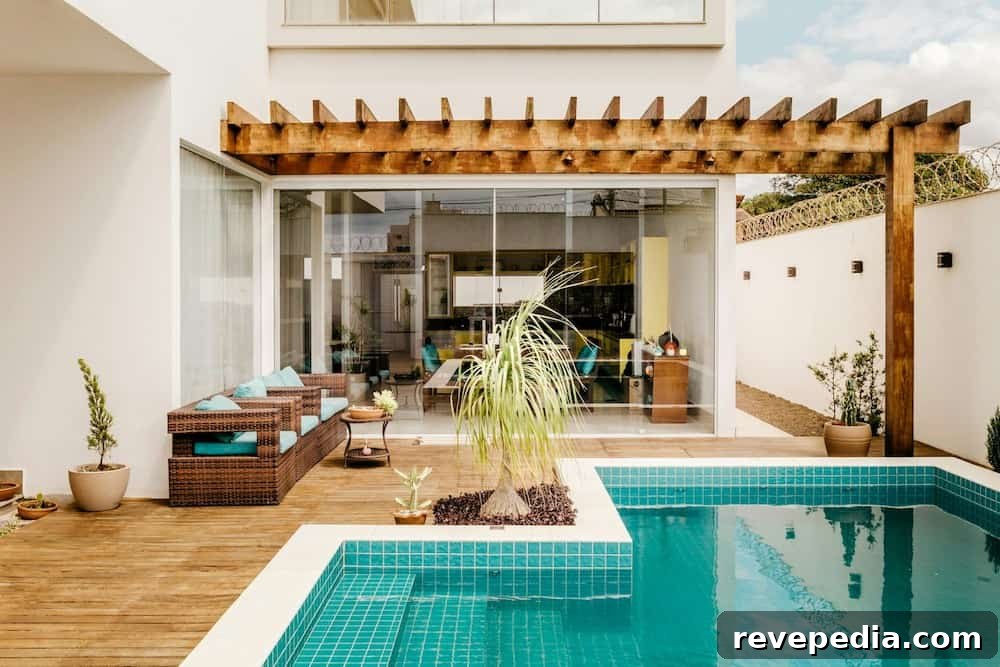
Building a pergola is a lovely way to enhance any outdoor area, adding both shade and character. Whether you want to improve a garden, patio, or backyard, constructing a pergola can be an achievable and satisfying project for beginners. This guide covers the fundamentals of pergola construction—from understanding what a pergola is to practical, step-by-step instructions for building one.
Understanding the Basics of a Pergola
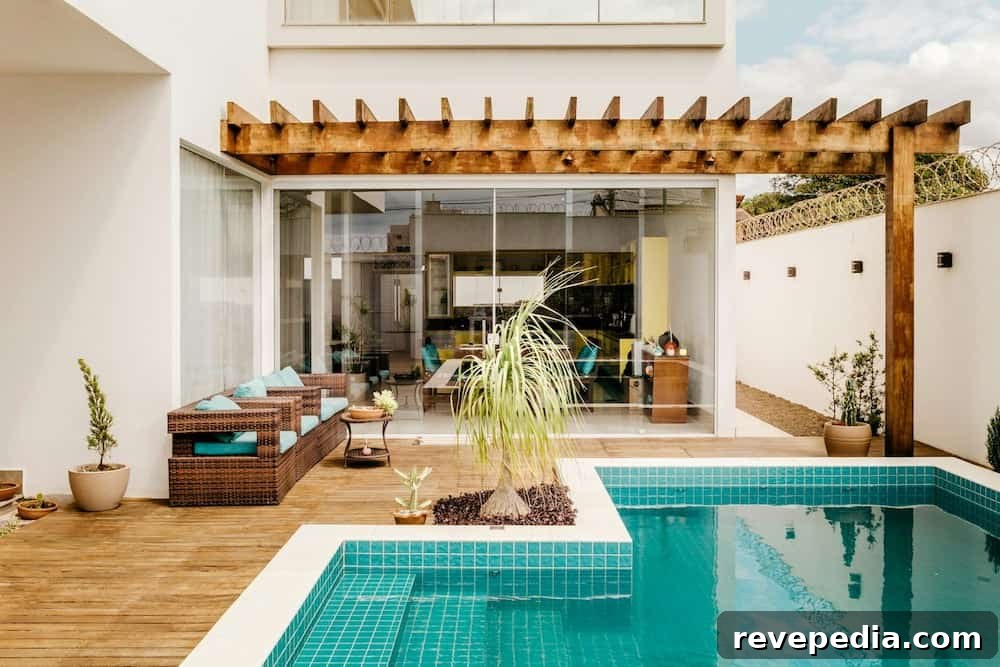
A pergola is an outdoor structure made of vertical posts supporting an open roof of beams and rafters. It provides partial shade and a sense of enclosure without fully blocking light or airflow, creating an inviting space for relaxing, dining, or entertaining outdoors.
Pergolas have a long history as garden features and plant supports, evolving from classical and Renaissance roots into versatile contemporary structures. Today they blend practical function with aesthetic appeal and are commonly used to define outdoor living spaces.
What Is a Pergola?
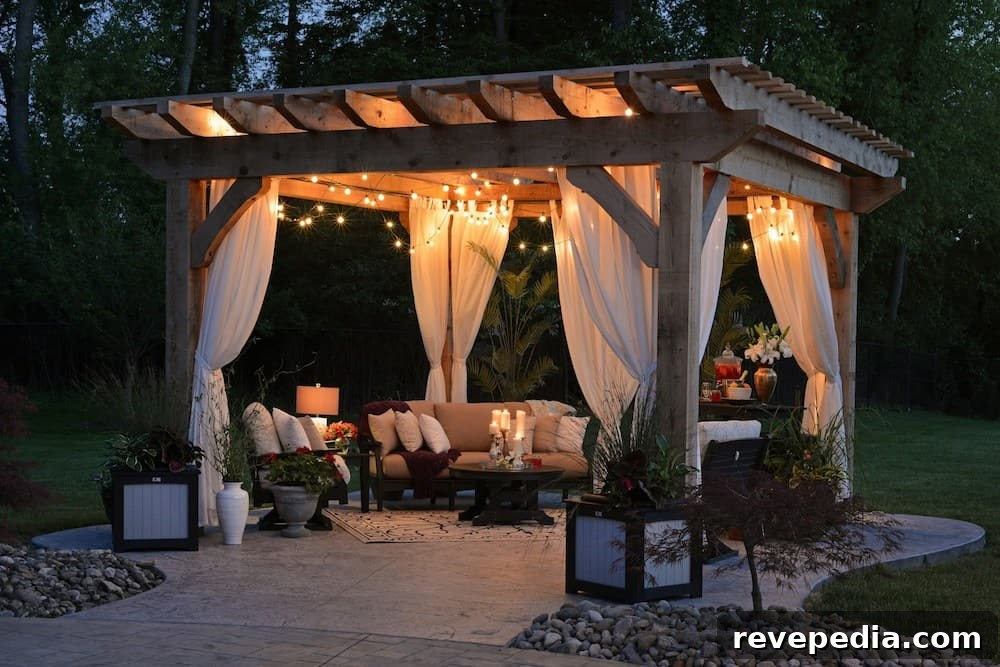
A pergola serves multiple purposes: it can be a decorative focal point, a shaded seating area, or a defined dining space. The open-roof design allows airflow and light while still creating a distinct outdoor room. Pergolas are easily customized with hanging plants, lights, fabric drapes, or climbing vines to match the style and needs of the space.
Benefits of Having a Pergola
Pergolas offer several practical and aesthetic benefits. They provide shade during warm weather, some protection in light rain, and can increase the perceived value and visual appeal of a property. A pergola also helps organize an outdoor area, marking spaces for lounging, dining, or pathways and adding definition to landscape design.
Flexible in style, pergolas can complement modern minimalist homes or ornate traditional landscapes. They allow homeowners to express personal taste while improving the usability and comfort of outdoor areas.
Planning Your Pergola Project
Successful pergola projects begin with careful planning. Define the pergola’s primary purpose, choose the best location, and establish a realistic budget and timeline. Accurate cost estimates for materials and labor help avoid surprises and ensure the project stays on track.
Clearly defining how you plan to use the pergola—whether as a quiet retreat, an outdoor dining area, or a showpiece for your garden—will guide decisions about size, materials, and placement.
Determining the Purpose of Your Pergola
Think about how the space will be used day-to-day. Will it host meals, provide a shaded lounge, or serve as a walkway cover? The intended use determines dimensions, layout, and accessory choices. Align the design with your lifestyle so the pergola functions as intended throughout the seasons.
Choosing the Right Location
Select a site that balances sunlight, wind exposure, and proximity to the house or garden features. Consider how the pergola’s orientation affects sun and shade at different times of day—placing it to catch morning sun or to shield the afternoon heat, depending on your preference. Also account for nearby trees, structures, utilities, and pathways to ensure the pergola integrates well with existing landscaping.
Adding climbing plants or trellises can increase shade and privacy over time, creating a green canopy and softer visual boundaries.
Designing Your Pergola
Design choices define both the look and longevity of your pergola. Decide on materials, proportions, and style to complement your home and meet functional needs. Good design balances durability, maintenance, and appearance.
Selecting the Right Materials
Common materials include wood, metal, and vinyl. Wood offers warmth and traditional charm but requires regular maintenance. Metal (such as aluminum or steel) provides a sleek, modern appearance and strong structural properties, though it can be more expensive. Vinyl is low-maintenance and resistant to rot and insects, making it a practical choice where longevity and minimal upkeep are priorities.
When choosing materials, consider local climate, desired lifespan, and how the finish will coordinate with your house and garden features.
Deciding on the Size and Shape
Size and shape should match the available space and intended function. Measure the area and sketch layout options that accommodate furniture, circulation, and accessory features like lighting or planters. Typical pergolas vary from compact 8×8-foot structures for intimate seating areas to expansive designs that cover large dining and lounge zones.
Consider proportions that feel balanced with nearby structures and landscaping. Oversized pergolas can dominate a small yard, while undersized ones may feel cramped in a larger space.
Preparing for Construction
Before construction, assemble necessary tools and prepare the site. Proper preparation reduces delays and results in a safer, more stable structure.
Gathering Necessary Tools
Typical tools include a measuring tape, level, post hole digger, drill, saw, appropriate fasteners, concrete mix, and safety gear. Ensure tools are in good working order and match the materials you plan to use.
Preparing the Ground
Clear and level the construction area, removing rocks, roots, and debris. Mark post locations carefully and verify distances and alignments before digging. A stable, level foundation—often concrete footings—is essential for a durable pergola.
Step-by-Step Pergola Construction
With planning complete and the site ready, begin construction following these core steps. Take your time to ensure accuracy and safety at each stage.
Setting the Posts
Mark the post locations and dig holes to the recommended depth—typically about one-third of the post length or to frost-line depth where required. Place posts in the holes, use temporary bracing to hold them plumb, and pour concrete to secure them. Double-check alignment and levelness before the concrete sets.
Installing the Beams and Rafters
Once the posts are firmly set, mount the horizontal beams to the posts using appropriate brackets or joinery. Ensure beams are level and square. Install the rafters perpendicular to the beams, spacing them evenly for the desired sunlight and shade pattern. Secure all connections with structural fasteners rated for outdoor use.
After the basic structure is complete, consider finishing touches: sanding and sealing wood, painting or powder-coating metal, adding trim, or installing lighting and plant supports. Personalize the pergola with curtains, hanging planters, or string lights to create the atmosphere you want.
With proper planning and careful execution, building a pergola is a gratifying project that enhances outdoor living and adds lasting beauty to your home.