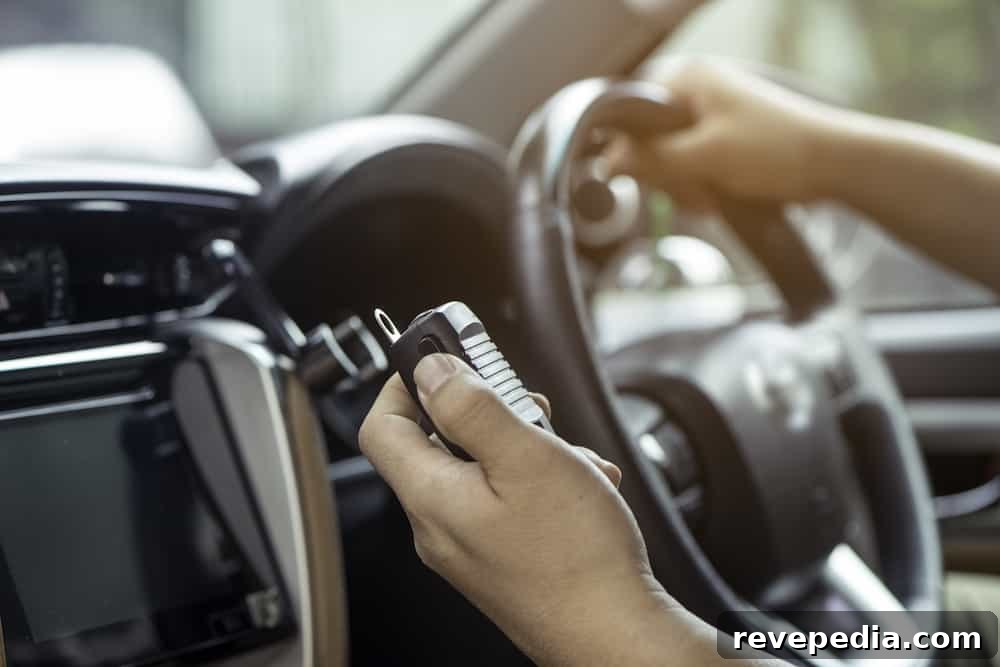
Communications are an essential part of any overlanding trip and should never be overlooked. Below are four reliable communication options to consider. At minimum bring one, but when you’re heading far off-grid it’s best to carry several complementary systems to ensure safety and coordination.
Cell Phones
Almost everyone carries a mobile phone, and they work exceptionally well in urban and suburban areas. However, reception can become unreliable quickly once you leave populated regions. Bring your cell phone on every trip, but don’t rely on it as your sole means of communication with home or with other vehicles in your group when you’re in remote terrain.
Coverage varies by carrier and location, but choosing major providers will generally give you the best chance of maintaining service. Regardless of carrier, make sure you have reliable charging options. Relying on the vehicle’s battery alone isn’t enough if you’re stuck or spending multiple days off-grid.
Portable power banks extend your device uptime. Small packs can provide a few extra charges, while larger units—such as the Goal Zero Yeti 400—offer substantially more running time and can recharge via solar panels. These larger power stations can charge laptops, run lights, and power other AC or DC devices, making them a practical addition to extended trips.

CB Radios
Citizens Band (CB) radios are a longstanding choice for roadside and convoy communications. They remain widely used, which is both an advantage and a drawback. The upside is that on major highways or near populated areas there is a good chance someone monitoring emergency channels or using a CB will hear you if you need assistance.
The downside is heavy traffic on popular channels and frequent cross-talk. Because CBs are unregulated for content, you may hear inappropriate language or unrelated chatter. For these reasons, CBs are best carried as a backup option rather than your primary comms tool.
No license is required to operate a CB, and many modern units offer flexibility as both handhelds and mobile-installed radios, making them convenient for day-to-day use.
FRS and GMRS Radios
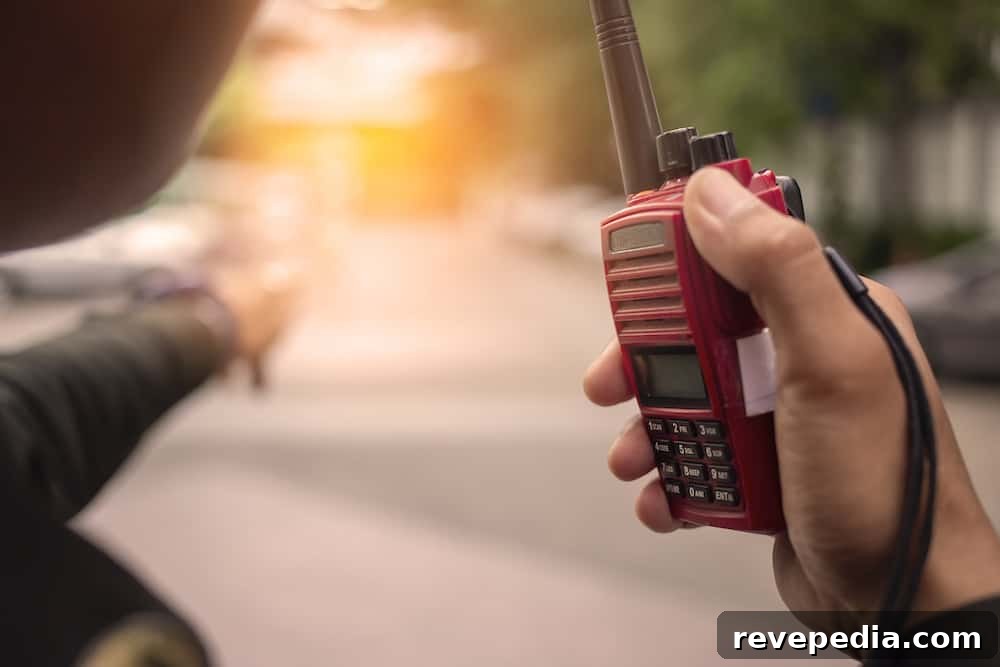
Family Radio Service (FRS) and General Mobile Radio Service (GMRS) radios are excellent for short-range communication within a convoy, between vehicles, or while hiking and camping.
FRS radios are commonly used as handheld walkie-talkies. They offer less interference than CBs and require no license, making them ideal for family groups, event coordination, and short-distance communication in busy areas like parks or attractions.
GMRS radios share many characteristics with FRS but provide more power and extended range—typically around 1 to 2 miles for handheld units and up to several miles for mobile setups with larger antennas. Operating GMRS requires a simple FCC license in many countries, but the application process is straightforward.
Overlanders and outdoor enthusiasts should strongly consider GMRS radios for reliable everyday communication, especially when traveling in multiple vehicles or when team coordination is important.

Ham Radio
For serious communicators, amateur (Ham) radio is a powerful option. Licensed operators gain access to broader frequency bands and greater range, often extending dozens to hundreds of miles depending on conditions and equipment. Ham radios are less dependent on line-of-sight compared with handheld GMRS or FRS units, making them particularly useful for larger convoys and remote area communications.
The ham community is welcoming and focused on education—experienced operators are typically happy to help newcomers learn best practices and equipment choices. Getting licensed is a worthwhile investment for anyone who frequently travels off-grid or who wants dependable long-range communication.
Many overlanders equip a compact transceiver and antenna system in their vehicle to maintain connectivity across varied terrain.
GPS Communicators
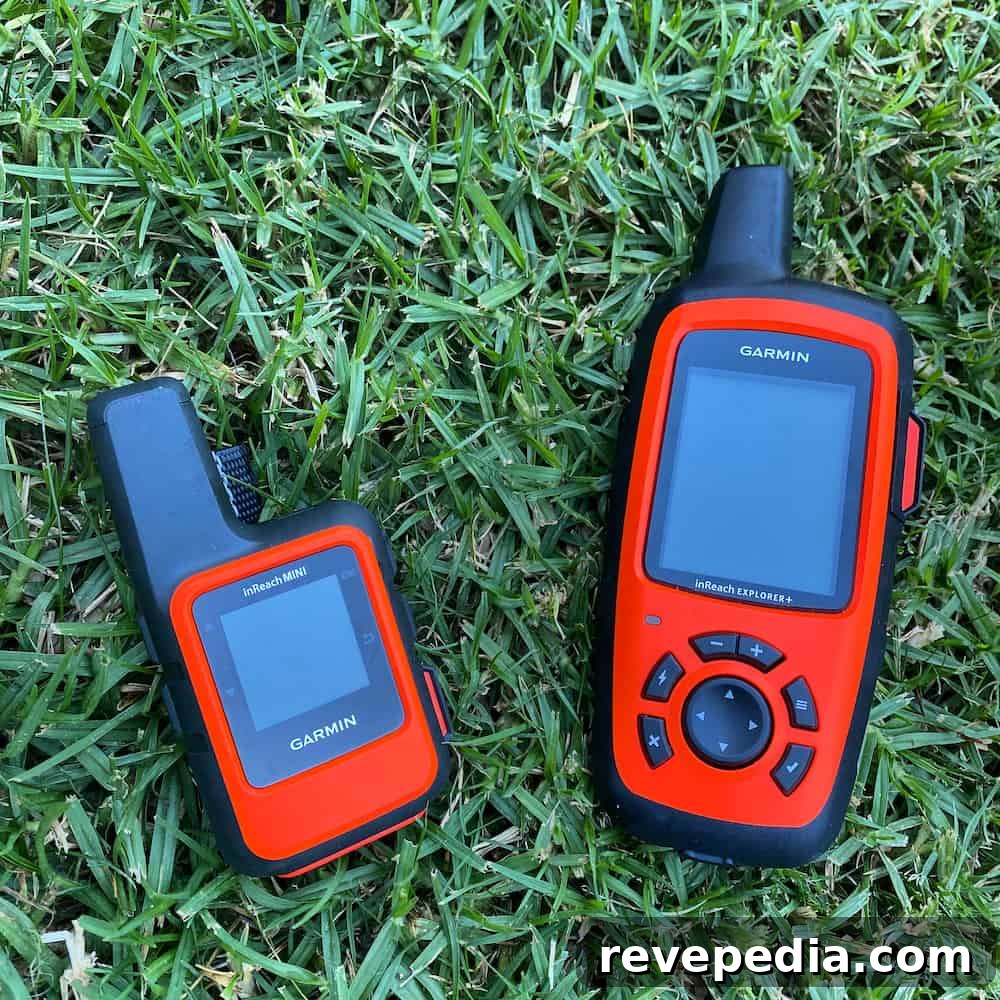
Satellite-based GPS communicators are the most dependable way to stay connected in remote or emergency situations. These devices don’t require a license but typically need a subscription to access their full messaging and tracking services.
Depending on the model and service level, GPS communicators allow you to view maps, send text messages, and share your location from virtually anywhere. Most models include an SOS or emergency button that transmits your coordinates to emergency responders, acting as a life-saving beacon in remote locations.
For extended backcountry trips, a GPS communicator is a highly recommended addition to your communications plan because it provides a reliable link to help when cellular or radio coverage is unavailable.
Bringing at least one dedicated communication device beyond a cell phone is essential for safety on road trips and off-grid adventures. Combining cell service with one or more of the radios or a GPS communicator gives redundancy and greatly increases the likelihood that you can call for assistance when needed.