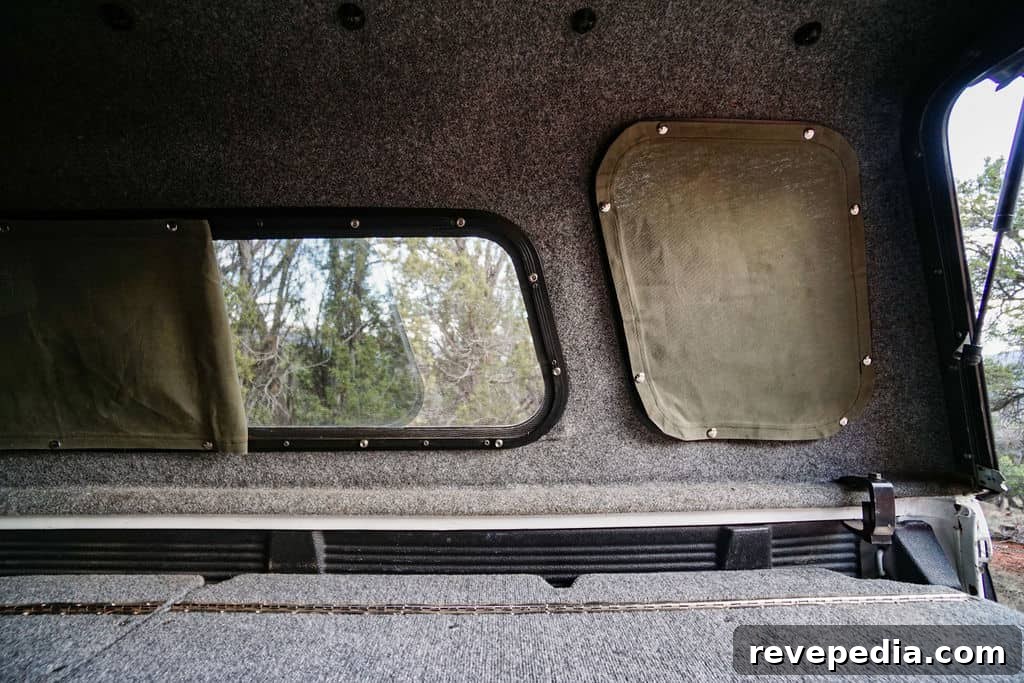
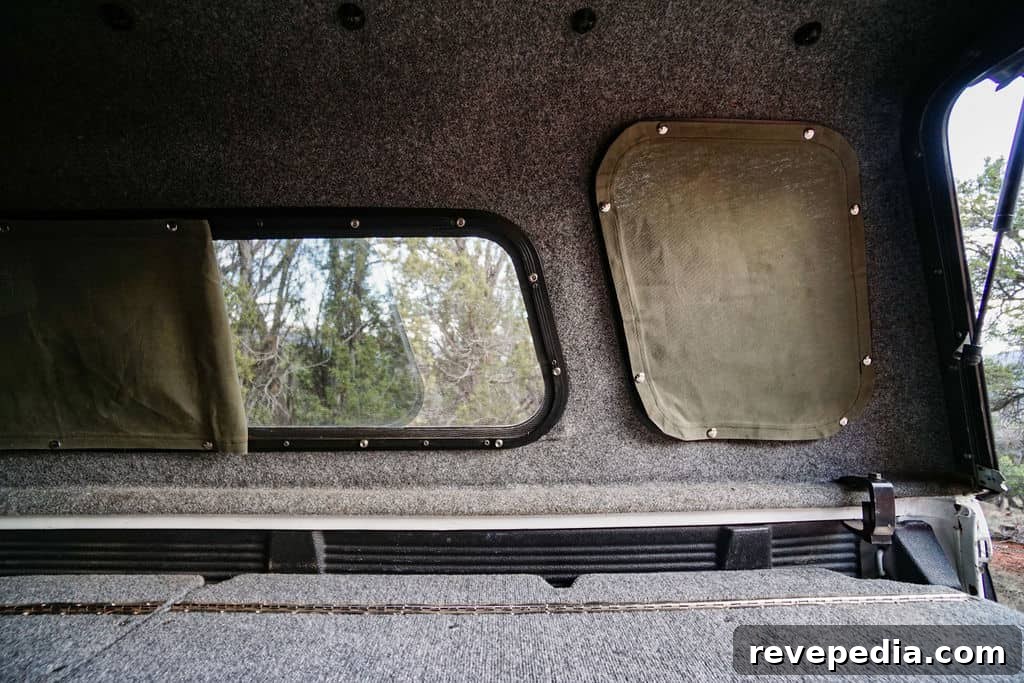
Sleeping in the back of a truck is one of the most affordable ways to travel independently. A truck cap, topper, or shell offers protection from weather and adds security for you and your gear, but it often falls short when it comes to privacy. If you want to block prying eyes while maintaining ventilation and durability, a set of custom window covers is an ideal solution. Below is a clear, practical guide to making robust DIY privacy window covers for your truck cap.
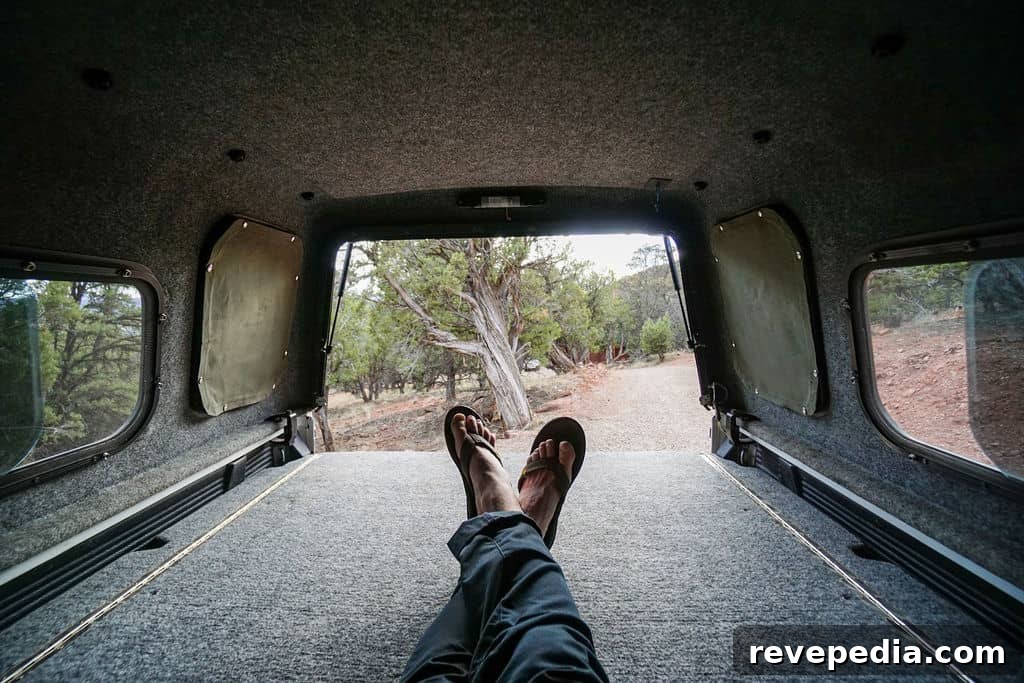
Car camping, overlanding, and boondocking have surged in popularity. Vanlife remains a strong trend and RV sales continue to rise. With more people sleeping in mobile setups—campsites, RV parks, or parking lots—many face the “fishbowl” effect after dark: interiors illuminated and visible from outside. Truck caps are particularly prone to this because their windows are often an odd size and shape, making it hard to find ready-made window coverings that fit well.
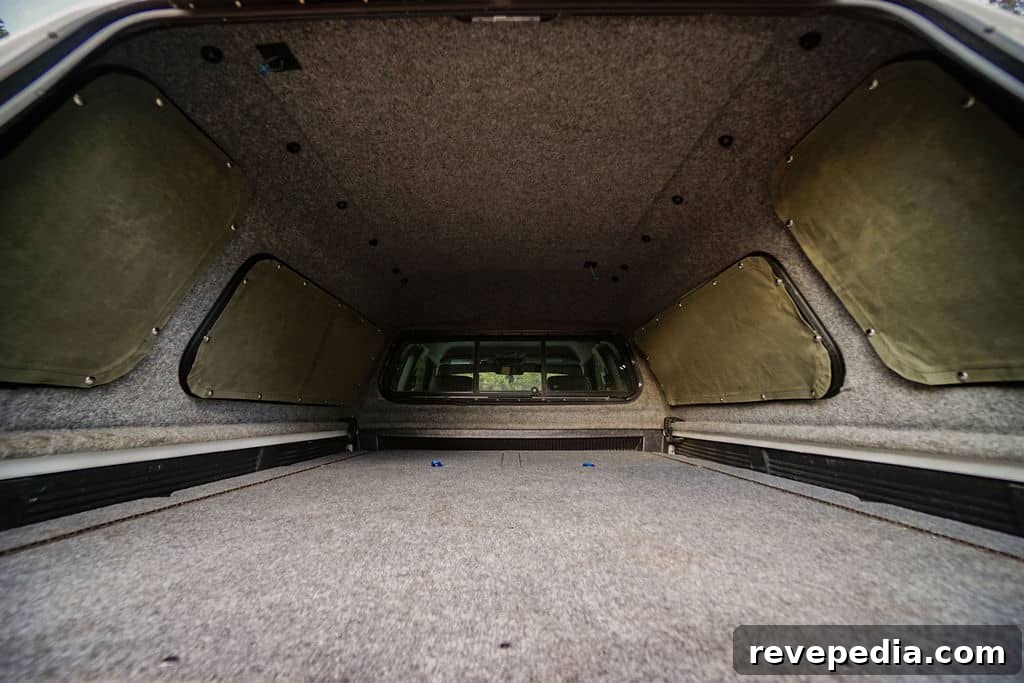
Eric Hockman, preparing to boondock in southern California while sleeping in the back of his Tacoma, encountered this exact problem. He decided to use his sewing skills to design custom privacy panels that are tough, adaptable, and easy to store. The result is a simple, effective system you can adapt to almost any vehicle window.
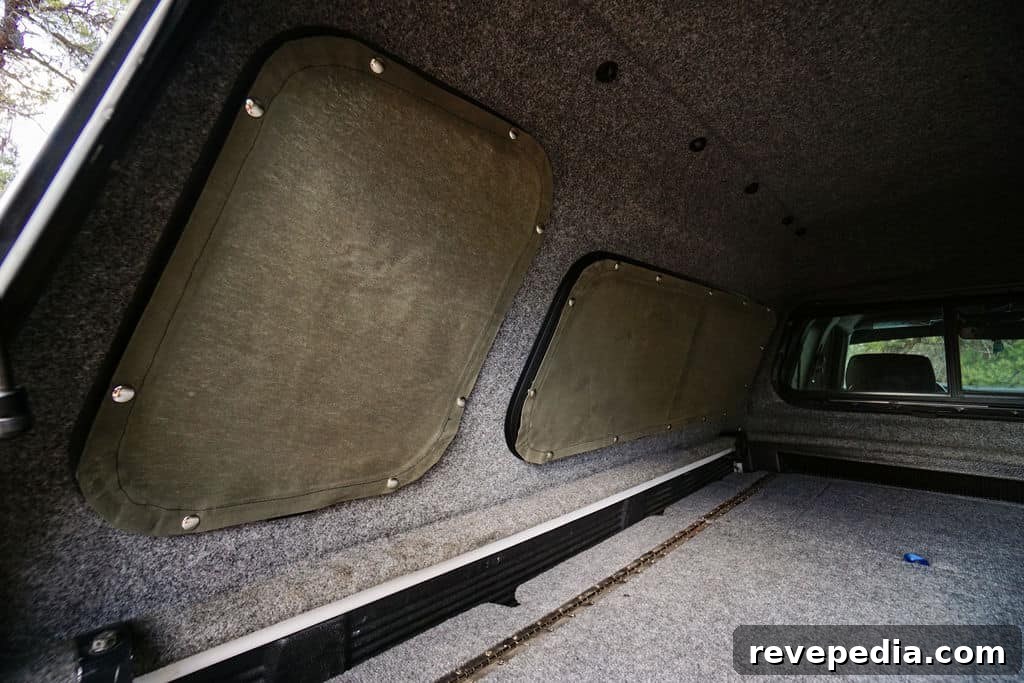
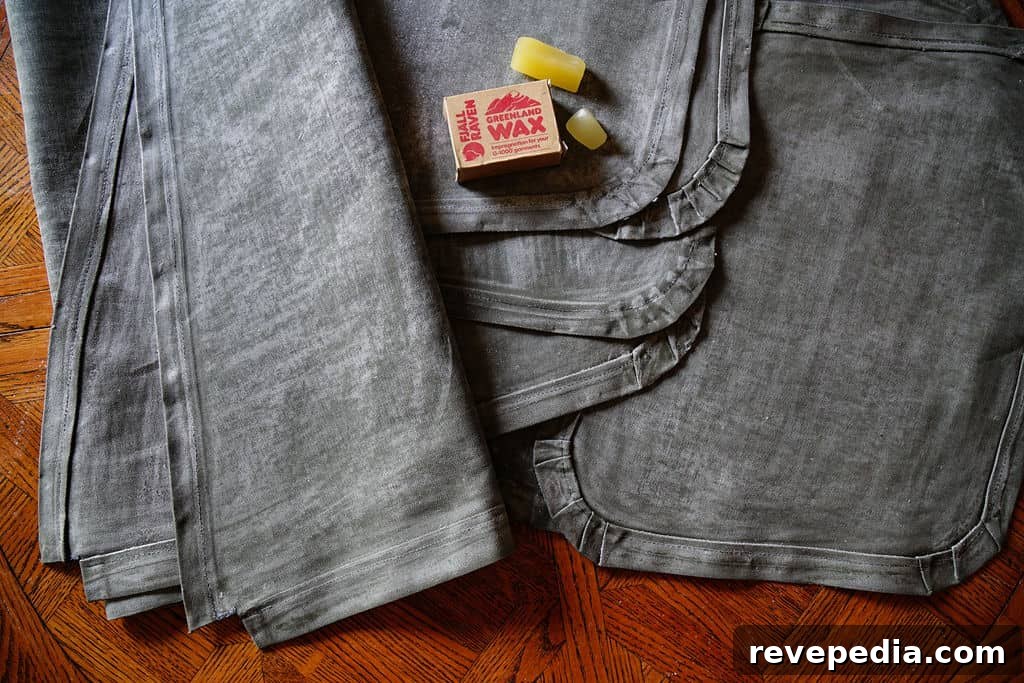
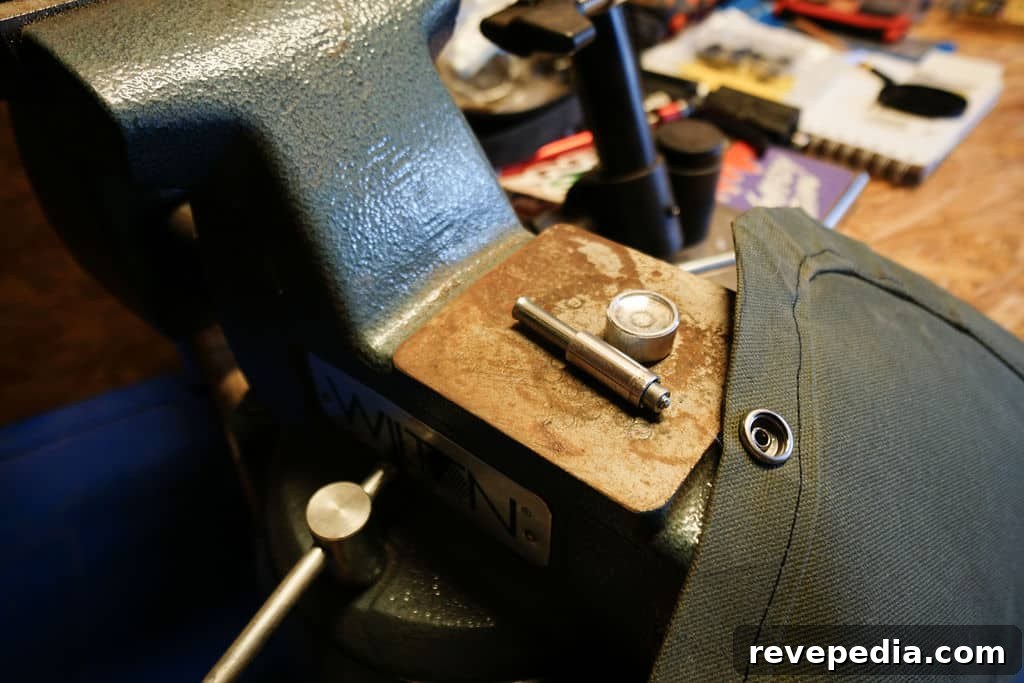
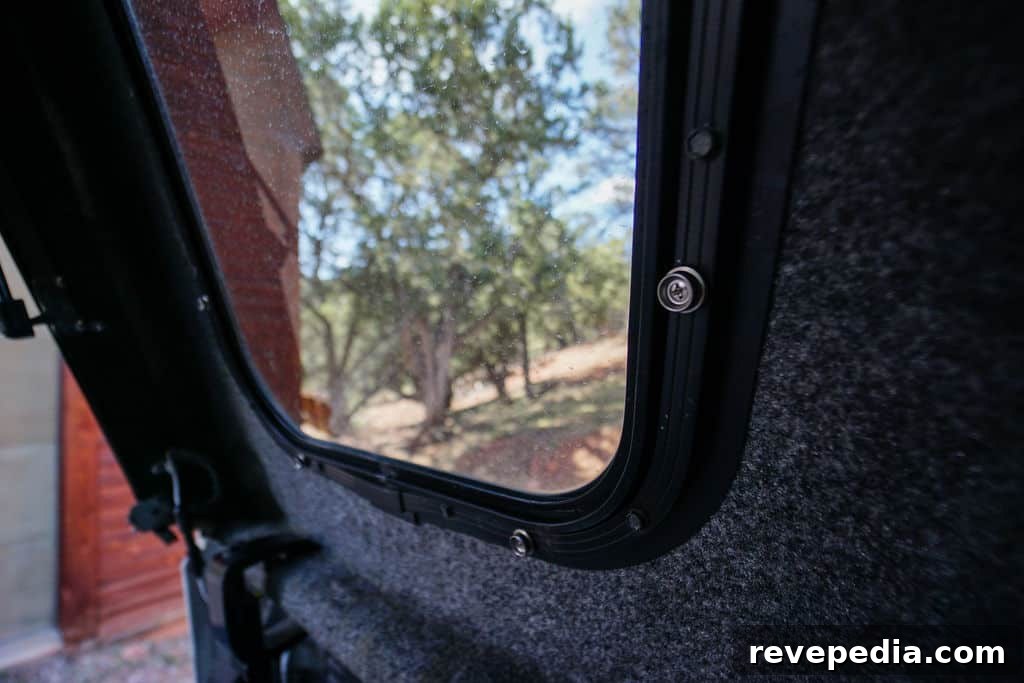
Materials and construction are straightforward. Eric used heavy-duty duck canvas for the panels and installed snaps to secure them in place. Alternatives like industrial Velcro strips or small magnets also work depending on your cap’s construction. To add water resistance—especially important for windows left partially open—he treated the fabric with a waterproofing wax. The panels are designed to allow ventilation while providing a complete visual barrier when needed.
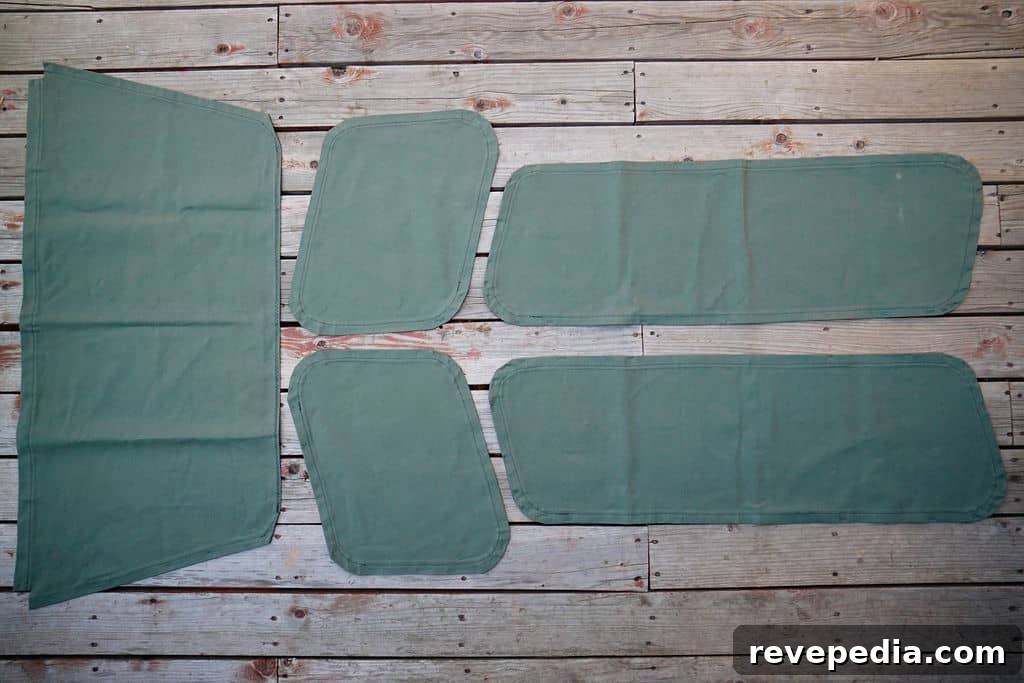
The finished covers are tidy, fast to set up, and highly effective at giving you the privacy required for a comfortable night’s sleep. Because the panels are custom-made from templates, the same approach works for various vehicles and window shapes. They fold compactly for transport and can be adjusted quickly when you open a window slightly for airflow.
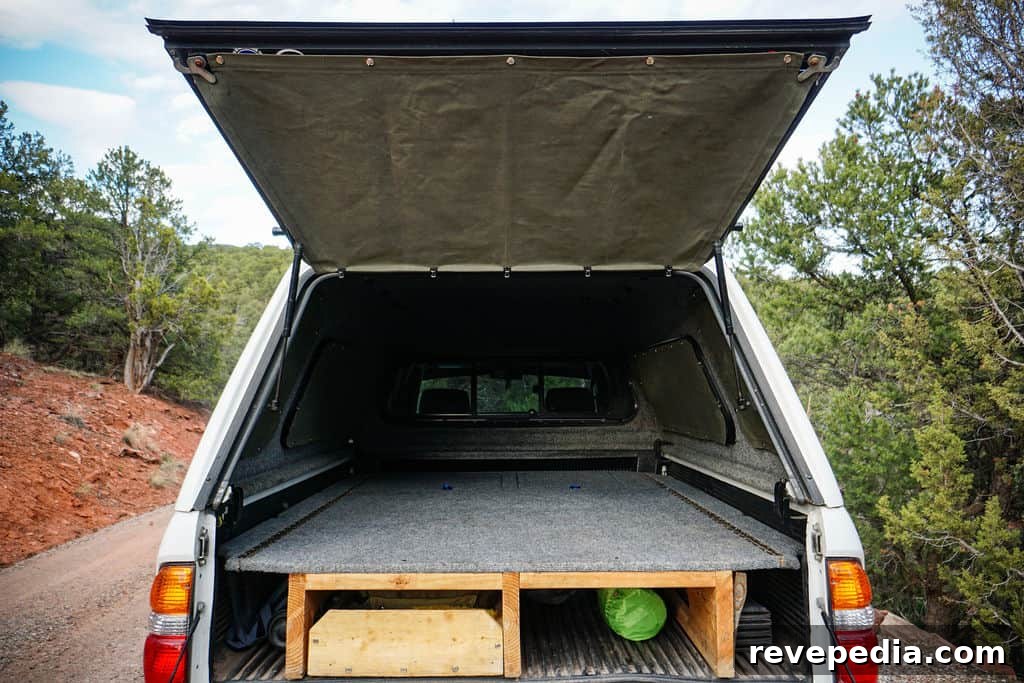
For those ready to make their own, here are the key steps summarized. These are the essential stages of the build; measure carefully and tailor the details to your vehicle and preferred fastening method.
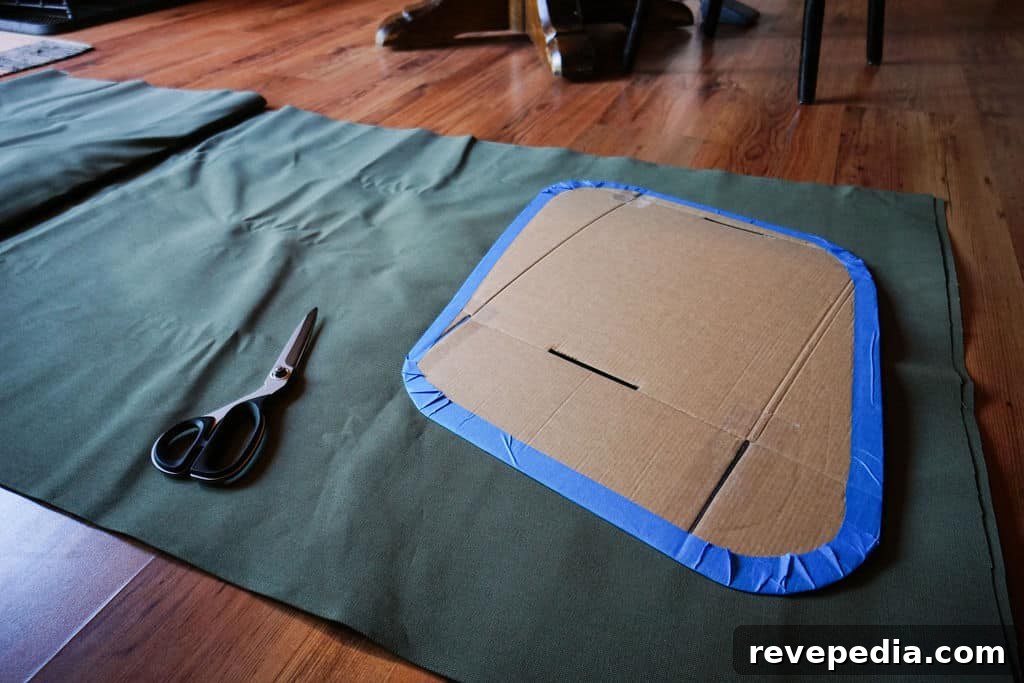
- Create cardboard templates of each window to capture exact shapes and curves.
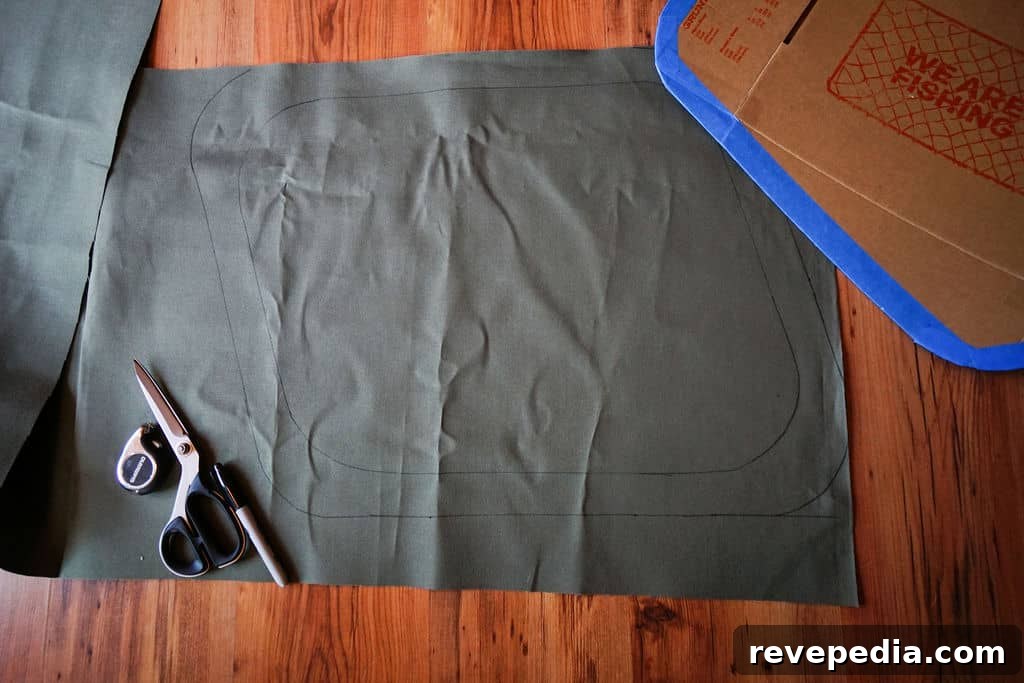
- Transfer the templates onto durable duck canvas, allowing for seam allowances.
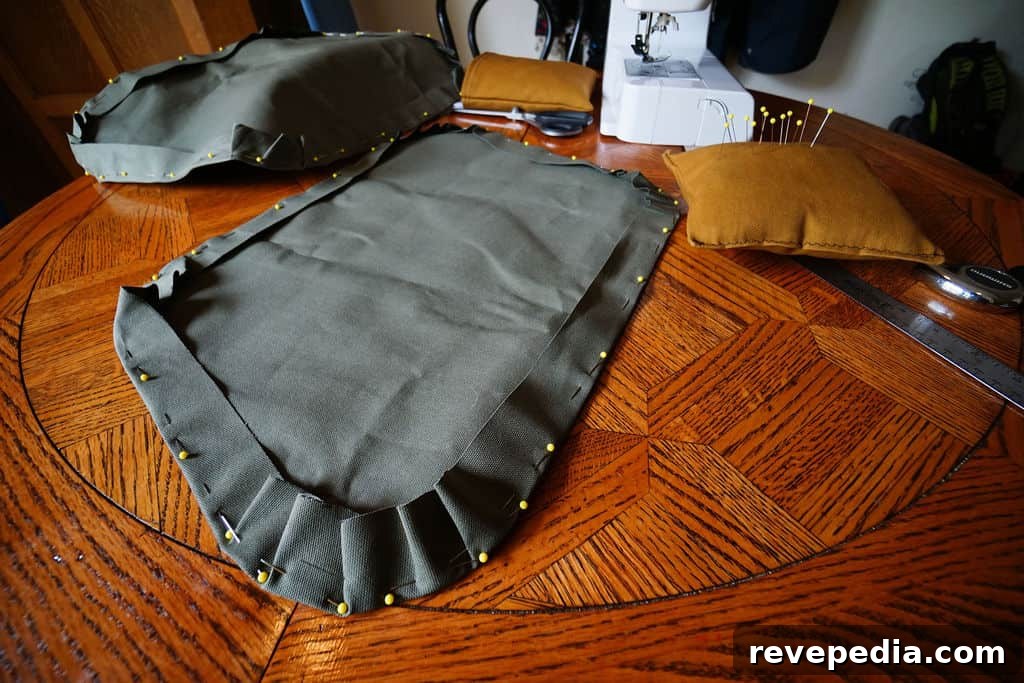
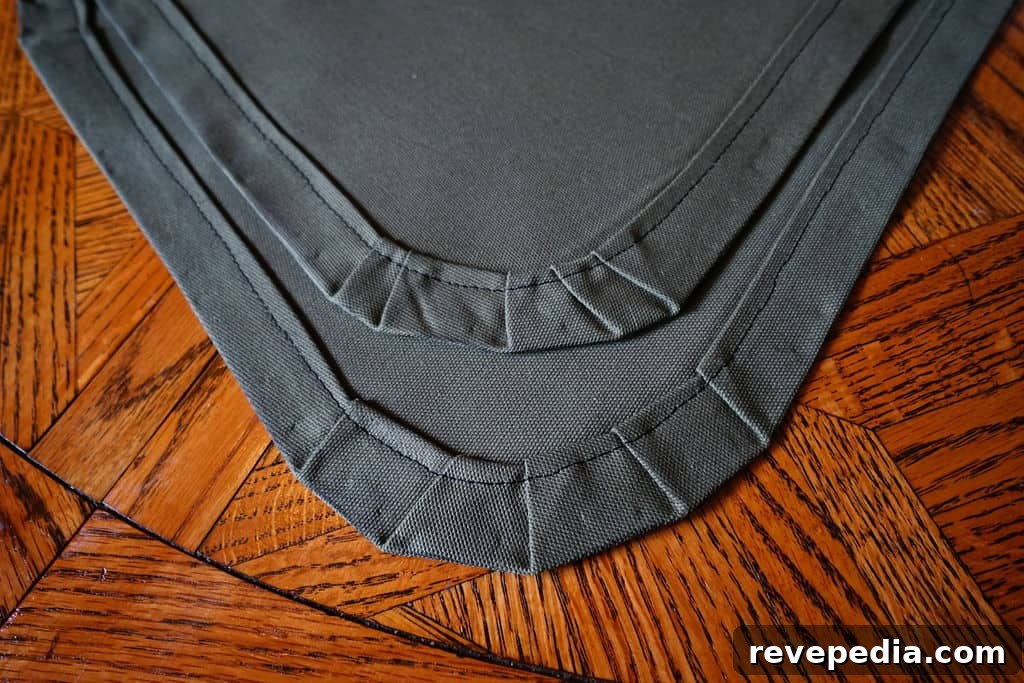
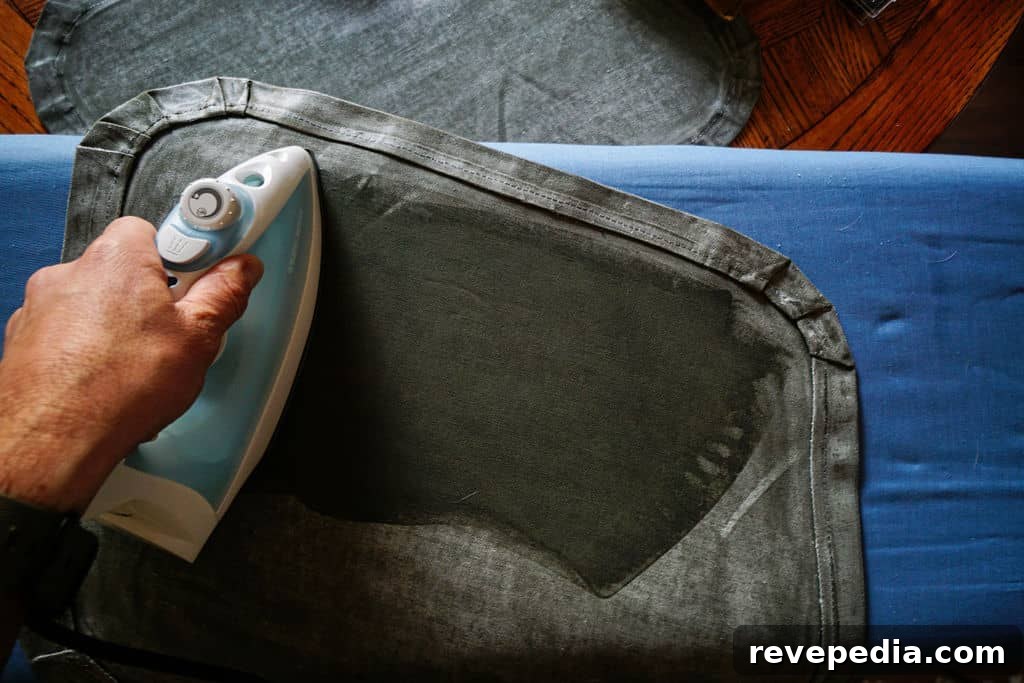
- Press and form the fabric, adding darts or corner folds so the panels sit flat against the glass or frame.
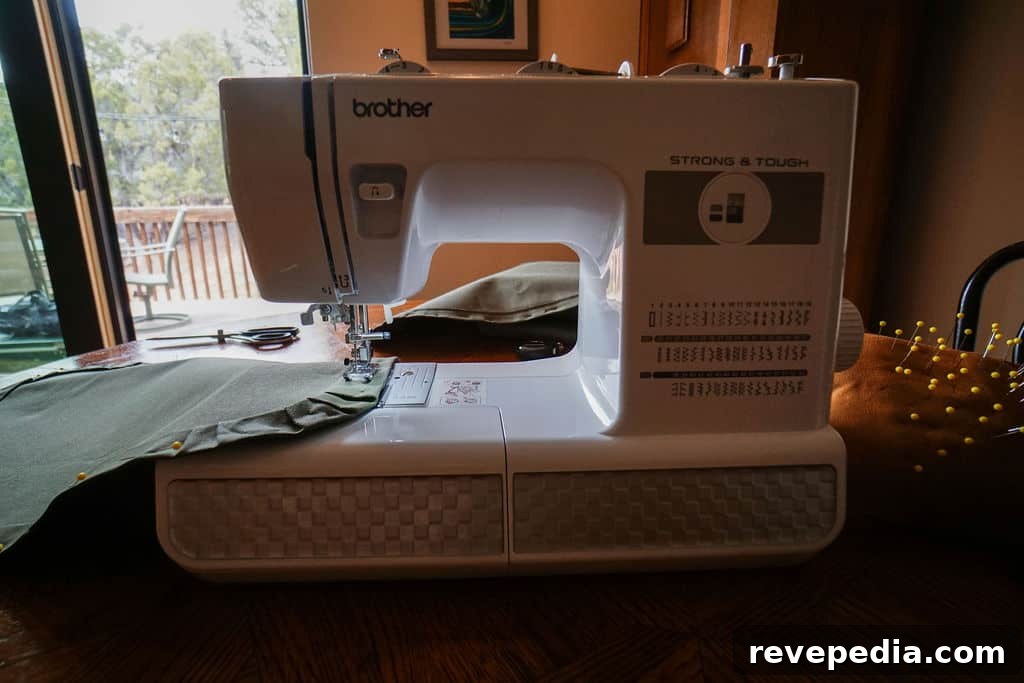
- Sew pieces together using heavy-duty thread and a sturdy stitch appropriate for canvas.
- Apply a wax or fabric waterproofing treatment if you expect exposure to moisture.
- Attach snaps, Velcro, or magnets to secure the panels to the cap while still allowing easy removal and reattachment.
These panels are a practical upgrade for anyone sleeping in a truck cap—combining privacy, ventilation, and weather resistance in a simple, low-cost package. The technique can be customized to fit nearly any window size or type of vehicle, from compact pickups to larger campers.
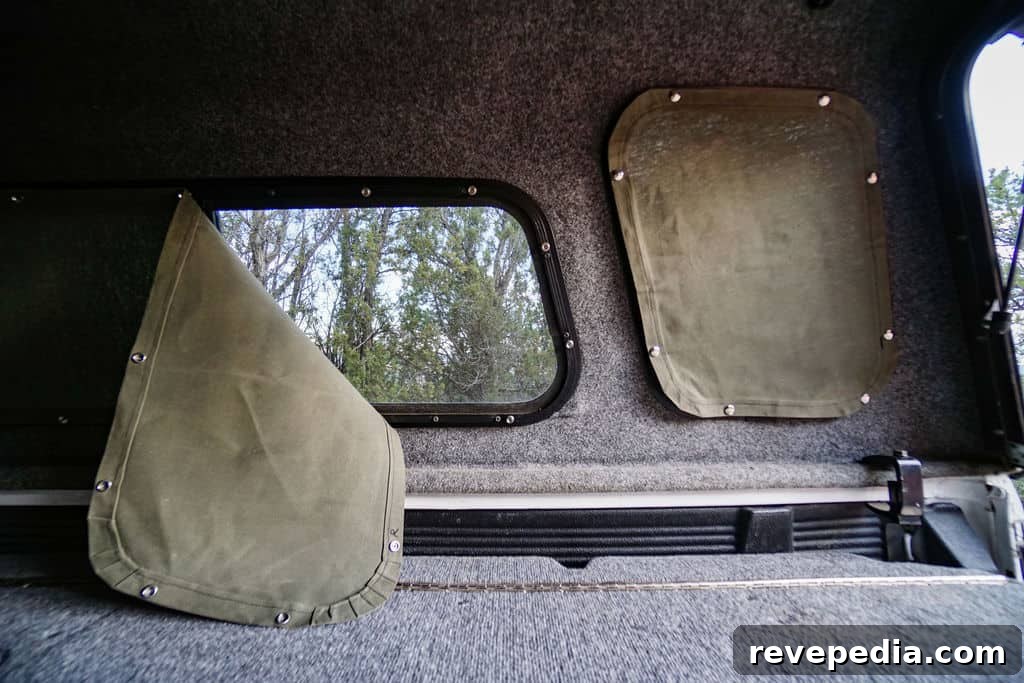
Photos and project by Eric Hockman