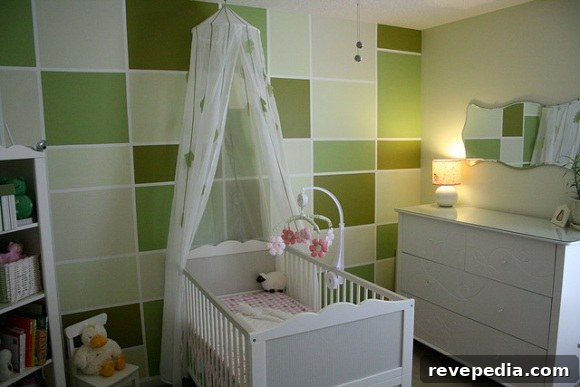
Designing a nursery is one of the most joyful — and occasionally stressful — parts of preparing for a baby. After the furniture is assembled, the tiny clothes are folded, and the VOC-free paint has dried, the challenge becomes making a compact room both highly functional and delightfully cozy. Below are practical, parent-tested tips for organizing a nursery so it works for you and your child.
Crib Placement
Safety comes first. Never place a crib under a window — window treatments and cords pose strangulation risks, and an open window creates a fall hazard. Also avoid placing the crib within easy reach of doors; curious little hands can push or pull doors and create unsafe situations.
Ideally, position the crib against an interior wall to reduce noise from outside and from neighboring rooms. This small step helps the room provide sound insulation and improves the chance your baby will sleep more soundly.
Changing Surface Placement
Whether you use a changing table, the top of a dresser, or the floor, secure any changing pad to the surface to prevent slipping, and never leave your baby unattended on a raised surface.
Place the changing station close to the crib if possible — you’ll be changing diapers at any hour, and a short trip keeps sleepy newborns calm. Keep all essentials within one hand’s reach: diapers, wipes, creams, a diaper disposal system, spare changing pads, and a small bin for dirty items. Use drawers or cabinet doors that can be anchored to the wall to prevent tipping as your child becomes mobile. Open shelving works well too when paired with fabric bins to keep supplies tidy and out of little hands.
Lighting
Keep lamp cords tucked away or shortened and positioned behind furniture to prevent tugging. Place table lamps at least three feet from cribs and changing areas. For versatility, include multiple light sources: a bright overhead light for playtime, a softer lamp or a dimmer for evenings and night feedings. A low-wattage lamp beside the rocker provides enough light without fully waking the baby.
Use natural light when possible — it’s beneficial for mood and vitamin D — but if the nursery receives strong direct sunlight, install blackout shades for naps and cooler temperatures. Blackout shades also help establish a sleep routine by signaling when it’s time to rest.
Clothing
Storage choices depend on your room and preferences. In one home, under-bed zippered bins were perfect for storing a newborn’s tiny clothes; in another, a closet with hanging organizers kept outfits orderly. Whatever you choose, place the laundry hamper near the changing station. Between spit-ups, blowouts, and outfit changes, having the hamper nearby saves steps and keeps the space cleaner.
Feeding Area
Set up a comfortable feeding spot within easy reach of the crib. A glider or rocker placed nearby reduces the distance you must carry a sleepy baby during night feedings. If space allows, add a small side table for a glass of water, a phone, or a clock, and consider a white-noise machine or small speaker to help the baby drift back to sleep between feedings.
As your child grows and begins sleeping longer stretches, this area transitions well into a cozy reading nook. Ensure the seating area is not too close to windows and that any side table is stable and free of top-heavy objects that could topple.
Entertainment
Babies accumulate toys quickly, so plan storage that fits your space. Bookshelves, cubbies, plastic totes, or closet bins all work depending on available room. Keep play items out of sight from the room entrance and, if possible, opposite the crib. Separating a clear sleep zone from a play area reinforces routine: the crib is for sleeping, while another corner of the room is for exploration and play.
Organizing a nursery is about balancing safety, convenience, and comfort. Thoughtful placement of the crib, changing station, feeding area, and storage will make daily routines smoother and help your baby feel secure. Share what worked best for you when organizing your child’s room and any tips you’ve discovered along the way — every family develops its own smart solutions as the little one grows.