Tools can harbor germs, bacteria, and viruses, so regular cleaning is essential—especially for tools used by multiple people in places like job sites, mechanic shops, or shared workshops.
The best protection is to wear gloves and avoid touching your face. Even after removing gloves, wash your hands. If you must handle tools with bare hands, follow the guidelines below to make sure tools are cleaned safely and effectively.
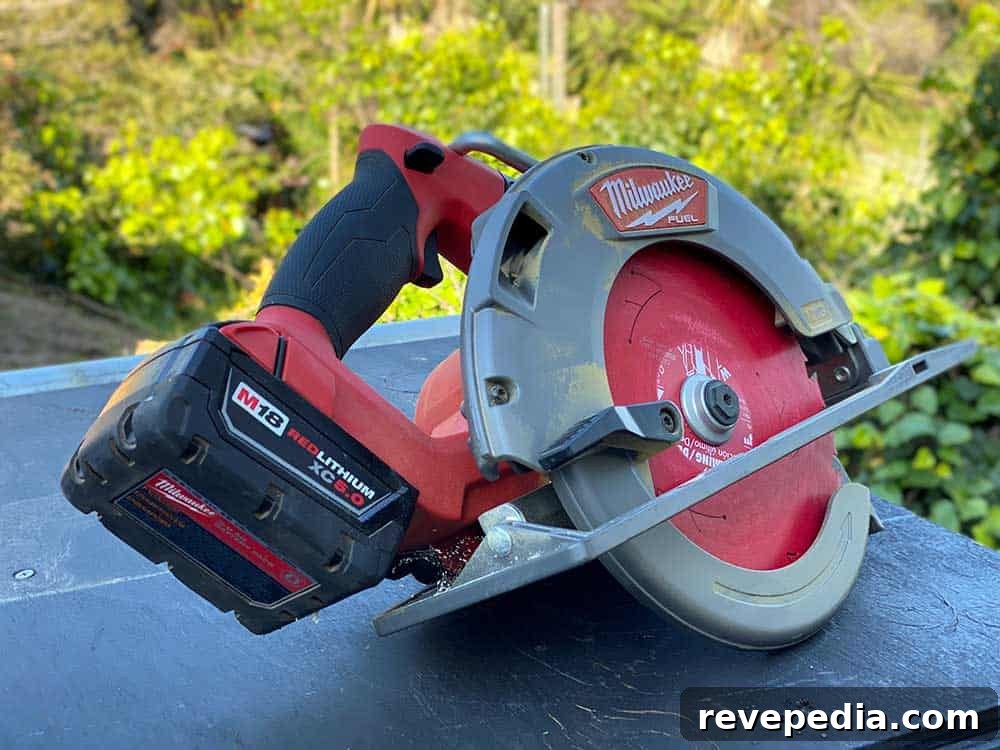
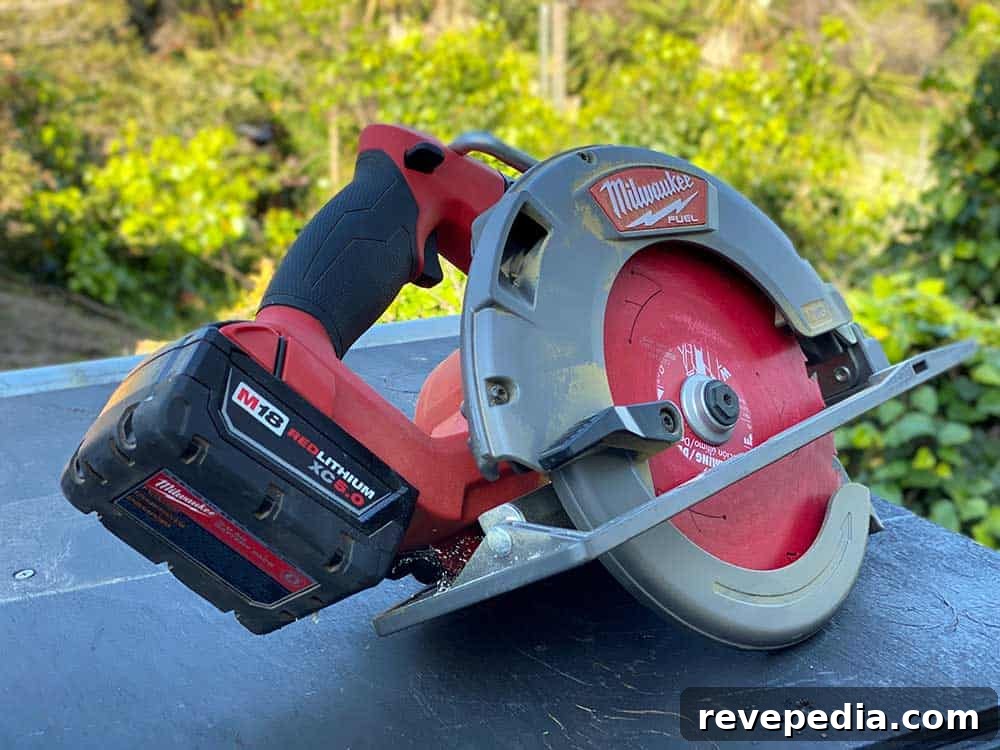
The following protocol, provided by Milwaukee Tool, applies to cleaning tools that do not have visible blood or other bodily fluids. It reflects recommendations from the Centers for Disease Control and Prevention (CDC), the Occupational Safety and Health Administration (OSHA), and state and local health authorities. Follow the applicable rules and guidance from those agencies.
▪ Anyone handling tools should wash their hands or use an appropriate hand sanitizer before and after use to prevent contamination.
▪ People who handle tools should be properly trained and equipped with the necessary personal protective equipment (PPE).
▪ Clean tools with mild soap and a clean, damp cloth; when needed, use an approved diluted bleach solution. Avoid aggressive cleaning agents and solvents that can damage plastics and insulated parts.
▪ Milwaukee Tool does not recommend cleaners containing conductive or corrosive substances, especially ammonia. Avoid products such as gasoline, turpentine, lacquer thinner, paint thinner, chlorinated solvents, ammonia, and household detergents that contain ammonia.
▪ Never use flammable or combustible solvents near tools.
Cleaning Options
1. Mild soap and resting period
▪ If a tool has no visible blood or bodily fluids, clean it with mild soap and a damp cloth to remove soils, then allow it to rest for three days. CDC guidance indicates that some viruses may survive on plastic surfaces for up to 72 hours; allowing a tool to sit untouched for this period reduces the risk of viable contamination. After the resting period, clean the tool again as needed. Recommended for batteries.
2. Mild soap followed by a diluted bleach solution
▪ If no blood is present, first remove dirt and grease using mild soap and a damp cloth, then decontaminate surfaces with a properly diluted bleach solution, consistent with CDC recommendations. See the procedure below for safe application. Not recommended for batteries.
Decontamination procedure
1. Clean the product surface with mild soap and water to remove dirt and grease.
2. Dip a clean cloth into the diluted bleach solution.
3. Wring out the cloth so it is damp but not dripping.
4. Gently wipe handles, gripping surfaces, and outer housings with the cloth, taking care to prevent liquids from entering the tool.
5. Do not use any other cleaning agents; the diluted bleach solution must never be mixed with ammonia or other cleaners.
6. Allow the surface to air dry.
7. The cleaner should avoid touching their face with unwashed hands and should wash hands immediately after completing the process.
To prepare a properly diluted bleach solution, mix either:
▪ 5 tablespoons (1/3 cup) of household bleach per gallon of water; or
▪ 4 teaspoons of household bleach per quart of water
Note: If blood or other potentially infectious bodily fluids are present on a tool, more advanced cleaning and decontamination are required. Follow established Bloodborne Pathogen protocols applicable to your workplace. Under OSHA regulations, anyone performing this type of cleaning must be trained in Bloodborne Pathogens and in the correct use of PPE for the task.