
As your family grows, your home must evolve from cramped quarters into a nurturing place that supports play, sleep, learning, and everyday activity. Recent surveys in the United States show many families prefer more than one child: about 40% consider two children ideal, 27% prefer three, 11% choose four, and a smaller share want even larger families. Whatever your household size, thoughtful home planning can make daily life safer, more organized, and more joyful.
Preparing your home for new children, toddlers, or multi-generational living means focusing on flexibility, storage, safety, natural light, ventilation, and a smooth indoor–outdoor flow. Below are practical strategies to future-proof your living space so it adapts as your children grow.
Adopt a Flexible Layout
Start by evaluating your floor plan. Open-concept spaces work well for active family life because they make supervision and interaction easier during meals, playdates, and homework. Flexibility matters as kids’ needs change quickly: a nursery becomes a playroom and then a study corner in a few years.
Consider creating distinct zones within open spaces rather than adding permanent walls. Use sliding doors, folding screens, or bookcase dividers to create private areas when needed. Removable partitions and barn-style sliding doors allow you to change the layout without major renovation.
Designate a family command center near the kitchen for charging phones, organizing mail, and managing calendars. Create a reading nook that later converts into a study station. Use rugs to define play areas and modular furniture—stackable ottomans, convertible sofas, and lightweight tables—to shift functions easily.
Maximize Storage
Clutter multiplies with children, so increasing organized storage is essential. Use vertical space with floor-to-ceiling shelving, and choose beds with under-bed drawers for out-of-season clothes or extra bedding. Over-the-door organizers and closet systems help keep smaller rooms tidy.
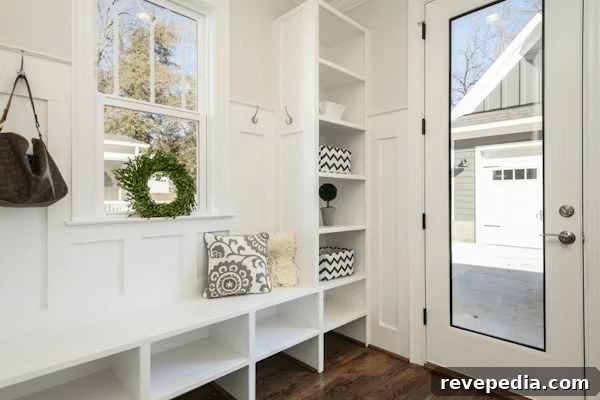
Kitchen storage can be optimized with pull-out pantry shelves, drawer organizers, and thoughtful cabinet layouts that keep hazardous items out of reach. In garages and basements, overhead racks and wall-mounted systems free up floor space and organize seasonal items. Labelled bins and rotating toy boxes help kids learn to tidy up; aim for 10–15% more storage capacity than you currently need to accommodate growth spurts and holiday surges.
Prioritize Safety
Safety is a top priority in family homes. Many common products and everyday items can pose risks to children, so it’s important to stay current with safety recommendations and recalls. Baby-proof key areas with outlet covers, cabinet locks, and corner guards. Anchor heavy furniture and bookcases to walls to prevent tipping, and install smoke and carbon monoxide detectors—consider smart models that send phone alerts.
Use secure stair gates (pressure-mounted or hardware-mounted depending on the situation), choose cordless window coverings to reduce strangulation hazards, and place non-slip rugs on potentially slippery surfaces. For outdoor areas, maintain safe pool barriers and use alarms or covers where necessary. Regularly inspect toys and baby gear for wear and follow manufacturer guidance to reduce risk.
Ensure Good Lighting and Ventilation
Natural light and fresh air are important for children’s physical and mental well-being. Sunlight helps with vitamin D production, which supports bone growth and overall health; it also helps regulate sleep patterns. Maximize daylight with unobstructed windows and use sheer curtains to diffuse bright light while maintaining privacy.
Ventilation reduces humidity and mold growth, which can cause respiratory problems in sensitive children. Keep windows open when weather permits, service HVAC systems regularly, and consider air purifiers in homes prone to allergens. Layer your lighting plan with dimmable overhead fixtures, task lamps for reading or crafts, and nightlights to ease overnight checks. Choose Energy Star-rated fixtures and LED bulbs to lower energy use.

Practical Tips for Key Areas
Nursery: Place the crib away from windows and vents to reduce drafts and sun exposure. Set the changing station at a comfortable height near storage for diapers and supplies. Choose a rocker or glider positioned to face a calm view, and select furniture that converts or repurposes as your child grows.
Children’s rooms: Neutral wall colors—soft grays, warm beiges, or muted pastels—create flexible backdrops that grow with your child. Add color accents through textiles and removable decor. Use low-VOC paints and finishes to minimize indoor air pollutants.
Play areas: Provide clear boundaries for play with rugs or low shelving and keep frequently used toys accessible in labeled bins. Rotate toys periodically to keep interest high and clutter low. Provide comfortable seating for adults supervising playtime.
FAQ
How should I plan a nursery layout?
Prioritize safety and accessibility: place the crib away from windows and cords, position the changing station near storage, and include comfortable seating for feeding and soothing. Choose storage solutions that can transition into toddler use, such as dressers that double as changing tables.
What are the best colors for children’s rooms?
Neutrals like soft gray, beige, or warm white offer long-term flexibility. Calming accents in blues and greens work well for bedrooms, while brighter tones like yellow can energize play areas. Always use low- or no-VOC paints for children’s spaces.
How do I baby-proof my home effectively?
Conduct a room-by-room safety audit to identify hazards. Install outlet covers, cabinet locks, stair gates, and secure furniture to walls. Remove entanglement risks from cords and blind strings, add non-slip rugs, and ensure pools and balconies are secured. Keep small objects and toxic substances locked away and out of sight.
Preparing your home for a growing family turns daily challenges into manageable solutions. Invest time in flexible design, abundant storage, reliable safety measures, and good lighting and ventilation. Consult professionals for major structural changes, plan budgets carefully, and involve children in organizing and decision-making as they grow. A well-prepared home is more than shelter—it’s a supportive foundation for milestones from first steps to teenage independence.