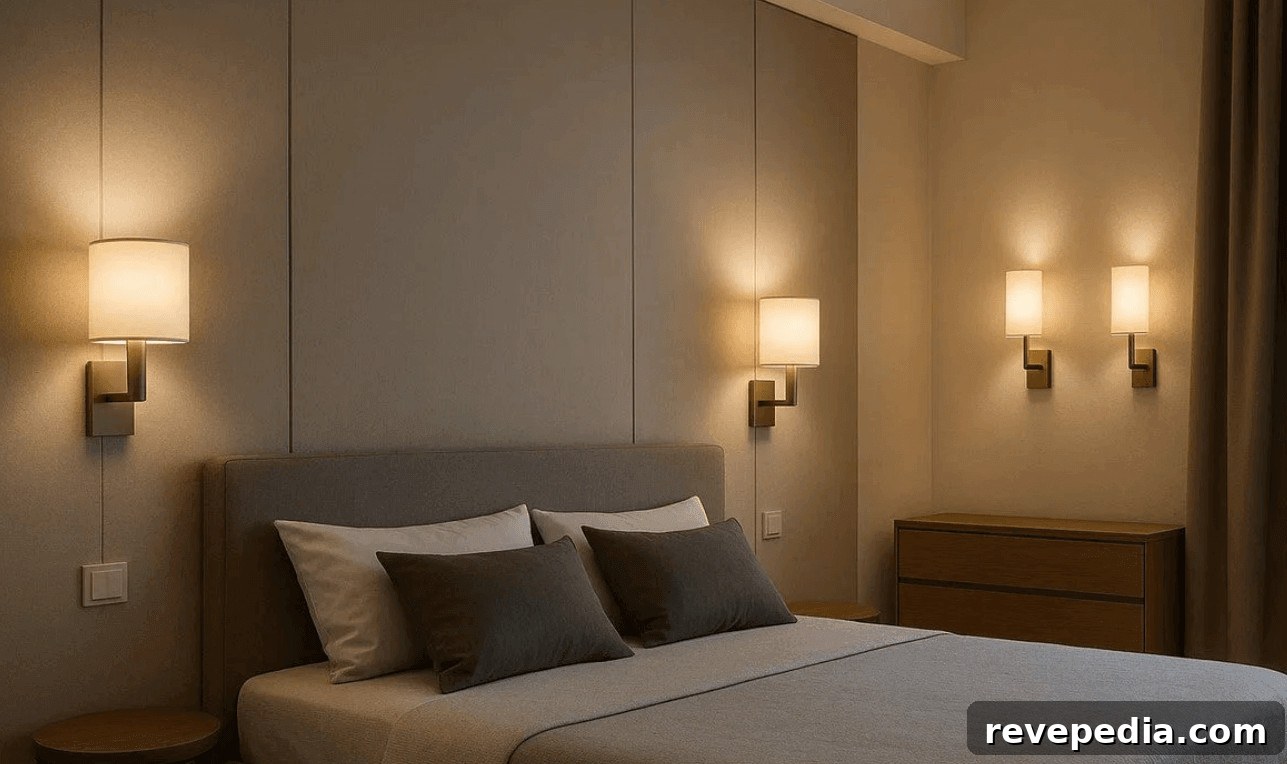
Lighting shapes how a room looks, feels, and functions. The right wall fixtures can make a space warm and welcoming, while poor lighting can flatten even the most carefully decorated interiors. Wall lights are one of the most versatile tools for creating layered, intentional lighting in any home. When chosen and positioned thoughtfully, they add depth, highlight textures and architectural details, and cast a soft, flattering glow.
If you want to upgrade a room quickly, consider adding elegant wall lights. Spotlights bring attention to favourite artworks or architectural features, while sleek LED strips produce a modern, luminous effect behind shelves or headboards. For classic interiors, decorative wall lamps are ideal for reading nooks without taking up floor space. Recessed fixtures sit flush with the wall for a clean, minimalist look that complements rather than competes with your decor.
Combining different types of wall lighting lets you tailor the mood precisely—whether you want energetic, bright light or a calm, relaxing ambience.
What’s the Purpose of Wall Lights?
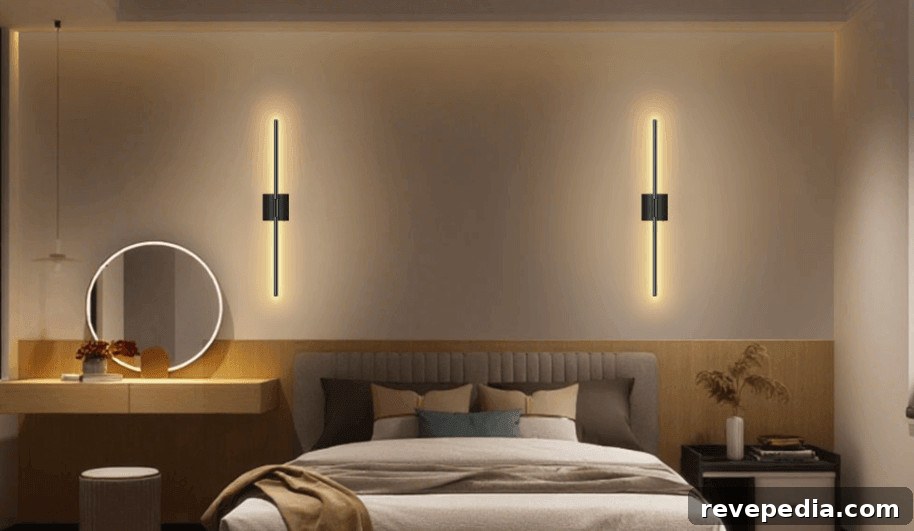
Before you get swept up in picking the prettiest fixtures, decide what role the wall lights should play. Are they meant to illuminate an entire room, or to create atmosphere? For general illumination in a hallway or living area choose translucent shades that diffuse light and spread it evenly. For task lighting—such as chopping vegetables in the kitchen—select a sconce with a focused beam acting like a spotlight to reveal fine details. For showcasing an alcove or artwork, go with accent fixtures that are noticeably brighter—typically around three times the brightness of the room’s ambient light—to draw the eye.
How Much Lighting Do You Need?
Consider natural daylight and the existing lamps or overhead fixtures so you don’t over- or under-light a space. The key to a successful room is having multiple ways to adjust the atmosphere, so mix light sources for flexibility. Installing dimmers is one of the best upgrades you can make; dimmers provide instant control over intensity, allowing you to shift mood from bright and active to soft and intimate.
The Eye-Level Rule
Where should interior wall lamps be placed? A good baseline is to mount fixtures about 1.5 m (5 feet) from the floor. Individual rooms and ceilings vary, so adjust that height to suit your space’s proportions. Remember that the top of a fixture will be close to eye level, so choose a design that looks attractive when viewed straight on.
Consider Your Style and Décor
Treat a wall light like jewelry for the room—it finishes and refines the look beyond simply adding illumination. Match the fixture style to the room’s character: an industrial kitchen, for example, benefits from sturdy, utilitarian lighting rather than delicate, frilly designs. Choosing complementary fixtures ensures the space feels coherent and thoughtfully planned.
Pair Up Your Fixtures
Rather than relying on a single light, use fixtures in pairs or clusters for impact. Grouped fixtures centered on a wall can read as one bold statement piece that fills a space with ambient light. Placing lights evenly along a hallway or entryway creates rhythm and ensures even visibility for guests moving through the space.
Place Them in Unusual Spots
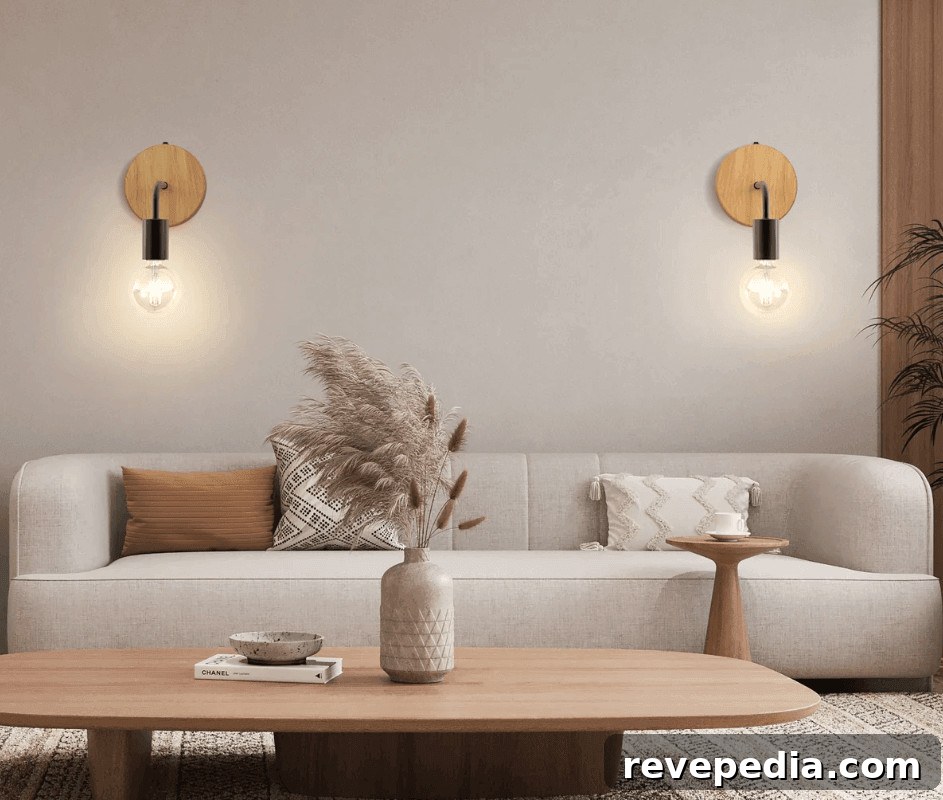
Fixtures don’t always need to be mounted high. Installing wall lights lower on the wall can spotlight a side table or seating area much like a desk lamp would. While these are fixed in place, their focused illumination creates drama and emphasizes a specific vignette.
Use Them as Bedside Lamps
Replace bulky bedside lamps with wall-mounted fixtures beside the bed to free up surface space and achieve a streamlined, contemporary bedroom aesthetic. Wall-mounted reading lights are practical and tidy, leaving nightstands uncluttered.
Add a Pop of Colour
If you prefer a clean, minimalist look but want to avoid a sterile feel, coloured glass pendants or sconces are a subtle and effective option. Instead of repainting a wall, a hand-blown glass fixture introduces personality without overwhelming the room. When lit, coloured glass projects warm, tinted light onto surrounding surfaces, instantly changing mood without adding visual clutter.
Match Them With Pendant Fixtures
Creating a cohesive lighting scheme across fixtures makes a home feel professionally curated. Coordinate wall sconces with pendant lights so they share common design elements—finish, material, or shape—to produce harmony throughout a room. You can extend that cohesion across adjacent spaces by echoing fixture styles in hallways and living areas, promoting a smooth visual flow as you move through the house.