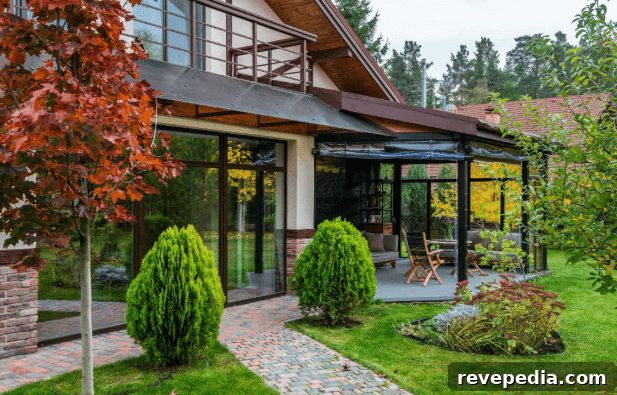
Turning your backyard into a true retreat by installing a new patio is an exciting home improvement project from the moment you start planning. Whether you imagine summer gatherings with friends, quiet mornings with coffee, or a smart upgrade that boosts resale value, thoughtful planning up front will help the finished space meet your expectations.
Before you clear the lawn, there are several important factors to consider. Addressing these early will keep the project on budget, reduce surprises, and help ensure the patio functions well and looks great for years.
Define Purpose and Design Up Front
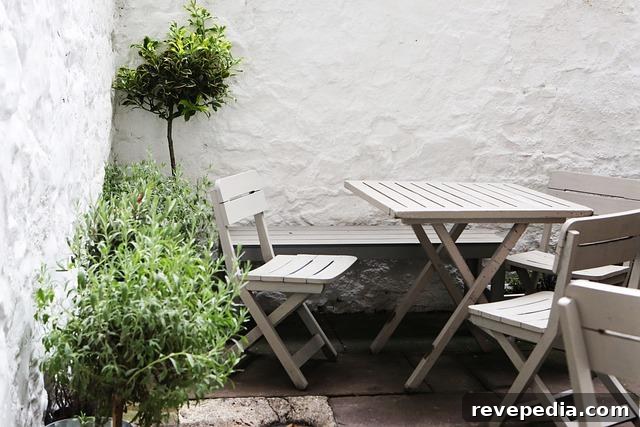
The first decision is practical: how will you use the patio? Will it serve primarily as an outdoor dining room, a lounge area for reading and relaxing, an entertaining space for cookouts, or some combination of these? The intended use drives every other choice — from dimensions and layout to materials and furniture.
Be realistic about how you’ll use the area, not just what sounds appealing in theory. A space designed to host a dozen people requires a different footprint and circulation plan than a cozy corner meant for two chairs and a small table. Clarifying purpose early lets you make design decisions that support daily use and long-term enjoyment.
Establish a Realistic Budget
Set a budget before construction begins. Patio costs vary widely depending on the materials, site conditions, complexity of the design, and whether you hire professionals or do the work yourself.
Include all expected expenses: site prep and excavation, base and foundation work, the surface material itself, edging, and any accessories such as lighting, built-in planters, furniture, or a pergola. Also build a contingency into your estimate for common unforeseen issues — buried roots, drainage challenges, or delivery delays are just a few examples of things that can increase costs if you’re unprepared.
Assess Site Conditions and Prepare Properly
Careful site evaluation and preparation are essential. Your patio needs a level, stable base with appropriate drainage so water doesn’t pool on the surface or affect the foundation. Ignoring drainage can lead to persistent problems after a few rainstorms.
While a flat yard might seem simpler, a sloped site can offer creative design options, including elevated platforms, tiered seating, or steps that enhance visual interest. If the project requires major grading, rock removal, or extensive leveling, consider hiring an experienced hardscaping professional. Proper site preparation helps prevent future settling, cracking, or shifting of the patio.
Choose Materials with Care
The material you select greatly influences the patio’s appearance, longevity, and maintenance needs. Common choices include concrete, brick, natural stone, and interlocking pavers — each has distinct advantages.
Natural stone provides an organic, timeless look that develops character over time but may require more ongoing maintenance. Concrete and pavers are often more budget-friendly and offer design flexibility for modern or clean-lined aesthetics. Brick tends to sit between the two — classic and warm, with durable aging characteristics. Consider how the material aligns with your home’s style and the level of upkeep you’re willing to perform.
Check Local Codes and Permits
Before work starts, verify local building codes and permit requirements. Municipal rules vary: some jurisdictions limit the size of outdoor structures, dictate how close you can build to property lines, or specify materials and drainage obligations. Failing to follow local regulations can lead to fines, project delays, or costly rework.
A quick call to your local building department or checking official resources can identify permit needs and set you on the right track. Handling permits early prevents headaches later in the project timeline.
Plan for Privacy and Shade
Privacy and shade significantly affect how comfortable a patio will be. If neighbors are nearby, consider privacy solutions such as fences, trellises, or planted screens. Living screens — tall shrubs or hedges — take time to mature but offer a natural, attractive boundary once established.
Shade is equally important, especially for sun-facing yards. Pergolas, awnings, shade sails, or strategically placed trees can transform a hot afternoon space into a comfortable retreat. Including these elements in the initial design typically yields a more cohesive, better-looking result than retrofitting them later.
Include Lighting and Utilities in the Plan
Lighting makes a patio usable after dark and sets mood and safety. Consider layered lighting: ambient overhead lights or string lights, path or step lighting for safety, and accent lights to highlight landscaping or architectural features. Thoughtful lighting plans extend the patio’s usability and create an inviting atmosphere.
If you plan for a fire pit, outdoor kitchen, or water feature, plan utilities now. Running electrical and water lines during construction is far easier and less disruptive than retrofitting later. For utility work, hire licensed professionals to ensure installations meet code and operate safely.
Hire Experienced Professionals When Needed
DIY portions of a patio project can be satisfying and cost-effective, but recognize the limits of what’s sensible to tackle yourself. Tasks involving heavy materials, precise grading, drainage systems, or electrical and plumbing should be handled by experienced contractors.
Look for contractors who specialize in patios and outdoor hardscaping rather than general builders. Experienced hardscapers understand site-specific challenges and material behavior, and they can guide you from design through installation and final detailing. A well-built patio depends as much on the installer’s expertise as on the design and materials — hiring the right professionals increases the likelihood your patio will look great and last for many seasons.
Thoughtful planning — defining purpose, budgeting realistically, preparing the site properly, choosing appropriate materials, and involving the right professionals — will help you create a backyard patio that’s beautiful, functional, and durable. With these considerations addressed, your new outdoor space can become the inviting extension of your home you’ve been imagining.