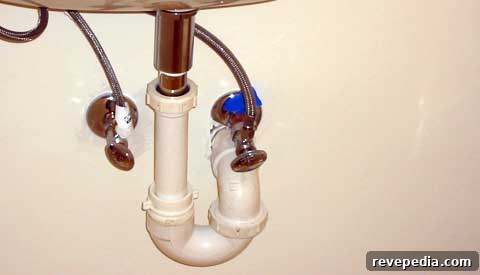
Water collecting on the outside of your pipes is always a concern. Before assuming the worst and preparing for expensive repairs, consider that the wetness could be condensation—commonly called “sweating” pipes—rather than an actual leak.
Sweating pipes occur frequently and, depending on indoor humidity, can produce as much moisture on walls, ceilings, and inside cabinets as a genuine leak might.
What Causes Sweating Pipes?
Condensation on pipes behaves much like the water that forms on a cold glass of beer on a hot day. When cold water flows through pipes located in warm, humid areas of your home, the pipe surface can become cooler than the surrounding air. Moisture in the air then condenses on the pipe surface, forming a film of water or heavier droplets. High humidity increases the amount of condensation, and in extreme cases the droplets can accumulate and drip, mimicking a plumbing leak.
How to Tell If Pipes Are Sweating or Leaking
A simple way to distinguish sweating from a true leak is to measure the room’s relative humidity. A handheld hygrometer or humidity tester, available at most hardware stores, can quickly reveal whether humidity levels are unusually high. If the room is very humid, the moisture on the pipes is likely condensation. Running a dehumidifier and insulating the cold water pipes with foam pipe wrap or foam insulation sleeves typically solves the issue by reducing humidity and preventing the pipe surface from becoming cold enough to condense water.
If humidity readings fall within a normal range, the wetness is more likely caused by a leak. In that case, dry the pipes thoroughly and inspect joints, fittings, valves, and visible connections for signs of dripping or corrosion. Small pinhole leaks, loose compression fittings, or failing valve seats are common sources. If you can identify and safely repair the problem—tightening a fitting or replacing a valve washer—you may avoid a service call. If the source is not obvious or the repair is beyond your skills, contact a licensed plumber to perform a professional diagnosis and repair.
Why It Matters
Even when sweating is not a plumbing failure, it is still a problem. Persistent moisture promotes mold and mildew growth and can damage drywall, wood framing, flooring, and stored items. Addressing condensation promptly protects indoor air quality and prevents costly structural repairs later on.
Simple Prevention and Remedies
– Reduce indoor humidity with exhaust fans, a dehumidifier, or by improving ventilation in basements, crawl spaces, and utility rooms.
– Insulate cold water pipes with closed-cell foam pipe insulation sleeves, which are inexpensive and easy to install.
– Seal gaps that allow humid air to reach uninsulated pipes, such as openings around ductwork or plumbing chases.
– Ensure attics, basements, and crawl spaces have proper ventilation and, where feasible, consider mechanical ventilation or a vapor barrier to control moisture.
Diagnosing and correcting sweating pipes is usually straightforward and affordable. Proper insulation and humidity control will often resolve the issue and protect your home from moisture-related damage. If you prefer to leave it to the professionals or suspect a real leak, contact a licensed plumber for a thorough inspection and repair.
Photo courtesy of flickr/A is for Angie