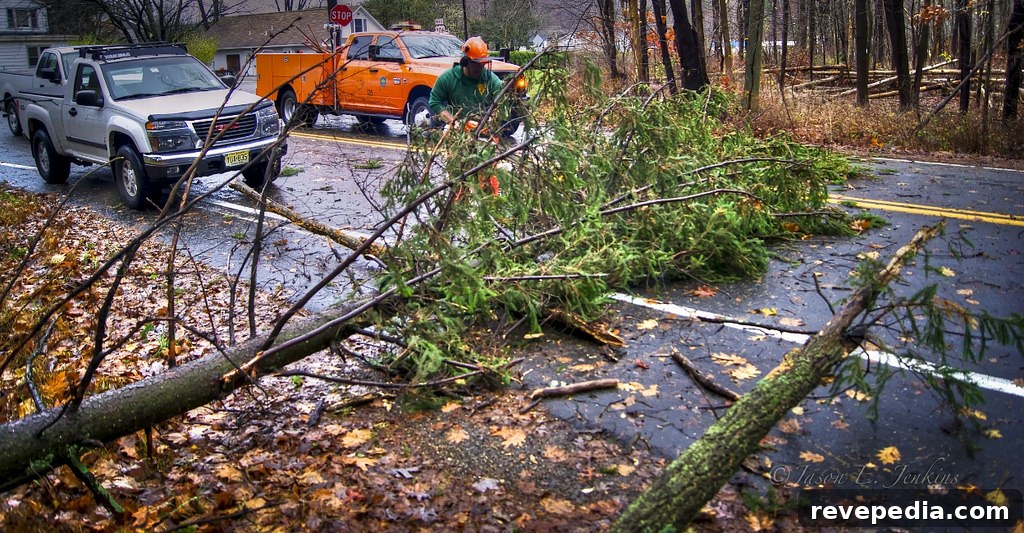
Our friends at STIHL shared practical, safety-focused advice for cleaning up after storms. Whether you’re dealing with the aftermath of a hurricane, tornado, or any severe storm, these guidelines will help you protect yourself, your family, and your property.
During the storm
Don’t try to be a hero. Your life and the safety of your loved ones come first. Prepare beforehand, follow official evacuation orders, and seek help when needed. Property can be replaced; people cannot.
After the storm
Put safety first. Protecting yourself should be the priority before attempting any cleanup or repairs.
- Stay alert and keep clear of downed utility lines. Look up for hanging branches and down low for damaged trunks that could pose hazards.
- Broken limbs may still be stuck in trees and can fall unexpectedly. These are often called “widow-makers.”
- A tree touching a downed power or phone line can energize the ground around it. Keep your distance and assume it is dangerous.
- If you’re unsure about a situation, call a certified arborist or tree-care professional for guidance.
- If you plan to tackle tasks yourself and have the skills to do so, wear appropriate clothing and protective gear. Casual clothing like shorts and flip-flops is unsafe for storm cleanup.
- Follow the safety instructions in the owner’s manual for any power tools or equipment you use.
- Evaluate tree damage carefully.
To decide whether a tree can recover or needs professional attention, ask the following:
- Is the tree generally healthy aside from storm damage?
- Are major limbs and the main leader branch still present?
- Is at least half of the tree’s crown intact?
- Are there remaining branches that can develop into a new structure?
If you answered “yes” to most of these questions, the tree may be salvageable. When in doubt, seek advice from a professional arborist.
Repair minor damage and remove debris.
- Cut away broken branches and remove any remaining stubs that are still attached.
- Trim jagged edges on broken limbs to help reduce the chance of decay or disease entering the wound.
- Prune smaller branches back to their junction with larger limbs rather than making random cuts.
- Avoid over-pruning. The tree’s appearance may not be perfect immediately, but removing too much foliage can harm recovery.
Don’t try to do everything yourself.
Assess what you can safely handle and what requires a professional. Anything above ground level or involving complex tensioned wood should be left to trained crews. These tasks can be life-threatening if handled improperly, so invest in professional help when needed. Consider hiring a pro if any of the following apply:
- Large limbs are hanging overhead or require chainsaw work you’re not trained for.
- A tree is uprooted or downed; these situations create unusual tension and pressure points. Cutting a tensioned limb or trunk (a “spring pole”) can produce violent, unpredictable movement.
- Branches are touching or near utility lines—notify your utility company immediately. Never attempt to move downed power lines.
- Any task you are not properly trained to perform or that makes you uncomfortable should be delegated to professionals.
Consider wildlife.
Birds, bees, and other animals may have taken temporary shelter in damaged trees. Approach work sites carefully and be prepared to stop if wildlife is present.
Keep learning about safety.
Stay informed about tree and chainsaw safety, how to find qualified tree-care professionals, and how to prepare for future storms. Reliable resources and professional guidance can help you handle storm cleanup more safely and effectively.