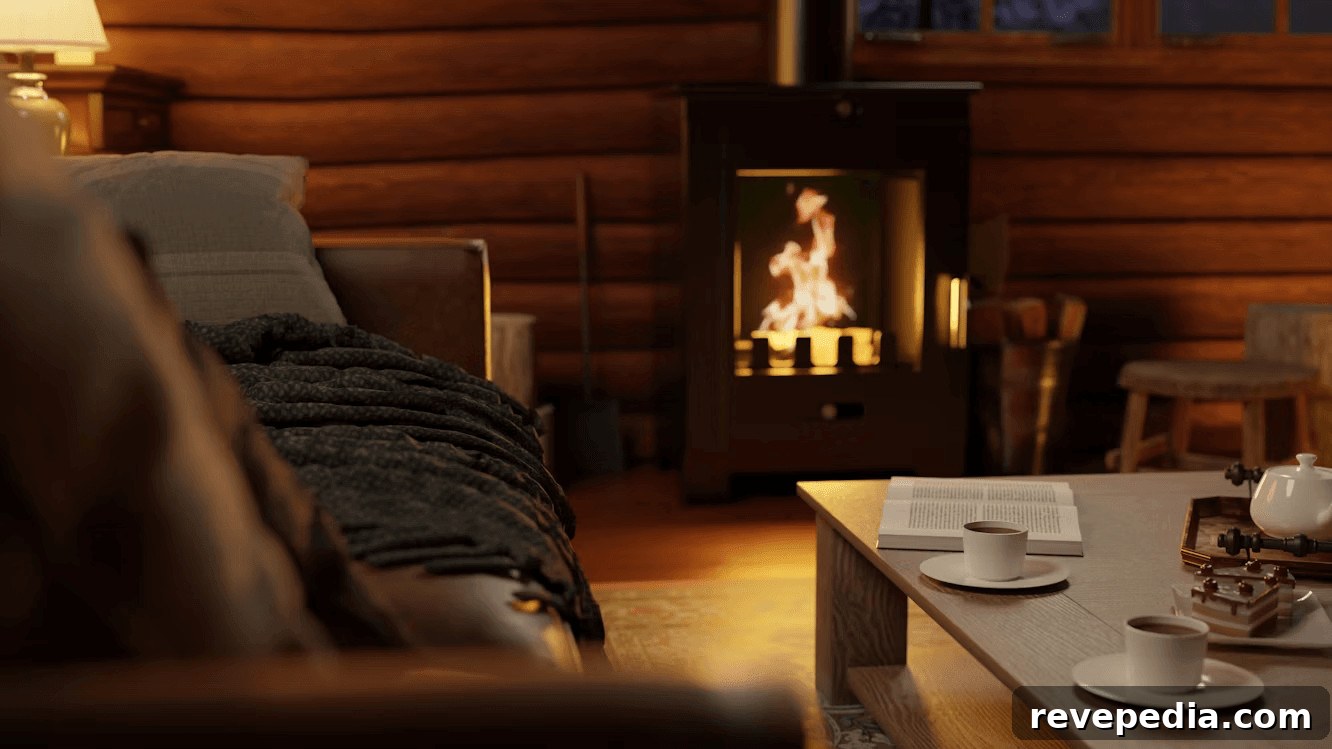
A fireplace stove can deliver warmth, comfort, and visual appeal throughout the colder months while also serving as an efficient supplemental heat source. Beyond attractive styling and dependable performance, safety is a primary consideration when choosing a new heating appliance. Modern stoves incorporate a range of protective features that substantially reduce risk and improve day-to-day usability. Below are the most important safety elements to look for and why they matter for homeowners.
Automatic Shut-Off Systems Improve Protection
Many contemporary gas fireplace stoves include automatic shut-off systems designed to halt fuel supply if the appliance detects abnormal conditions. These mechanisms respond to a range of possible faults—such as pilot failure, flame disruption, or overheating—and stop fuel flow to prevent dangerous build-ups or continued operation under unsafe circumstances.
Automatic shut-off features provide a strong safety net because they react without requiring homeowner intervention. This fast response reduces the likelihood of incidents caused by unexpected malfunctions, offering greater peace of mind and a simpler path to maintaining safe operation over time.
Sealed Fireboxes Support Safer Operation
Sealed fireboxes confine combustion to a controlled chamber, limiting direct exposure to flames and hot components. That containment reduces the risk of accidental contact with high-temperature surfaces and helps prevent hot gases or embers from entering the living space.
Along with increased safety, a sealed design often boosts efficiency and consistency by preserving the intended combustion environment. Premium models commonly adopt sealed combustion chambers as part of a safety-focused engineering approach that supports reliable performance and cleaner indoor air quality.
Protective Glass Reduces Burn Risks
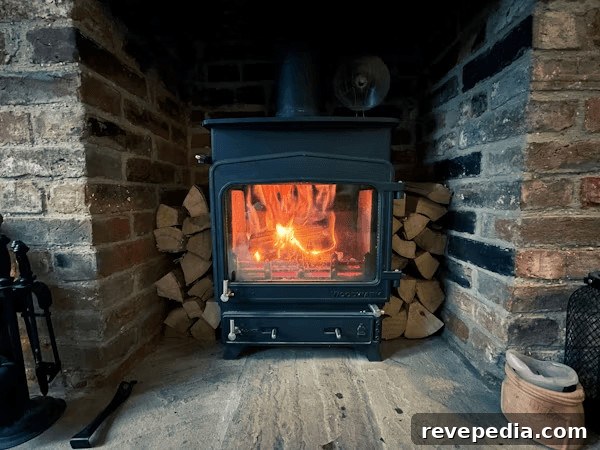
High surface temperatures are an unavoidable aspect of active heating appliances, and protective tempered glass serves as an effective barrier between occupants and the internal heat source. A durable glass viewing panel maintains visibility while preventing direct contact with extreme heat.
Homes with children or pets especially benefit from this protection. Modern protective glass is engineered to withstand thermal stress and to reduce the chance of accidental burns while still allowing enjoyment of the fire’s visual effects.
Oxygen Monitoring Adds Extra Security
Safe combustion depends on proper airflow and oxygen levels. Oxygen sensors (or oxygen depletion sensors) monitor the ambient environment and the combustion process, detecting changes that could indicate poor ventilation, blocked exhaust, or other unsafe operating conditions.
When sensors sense unsafe oxygen levels, they can trigger automatic corrective measures—such as shutting down the appliance or alerting occupants—before problems escalate. Continuous monitoring provides an additional layer of protection, helping maintain safe, efficient operation in a range of circumstances.
Stable Venting Enhances Indoor Safety
Effective venting is fundamental to a safe fireplace stove. Properly designed exhaust systems channel combustion byproducts like carbon monoxide and moisture away from occupied spaces, helping preserve indoor air quality and reducing the risk of hazardous buildup.
During installation, professionals evaluate venting routes, clearances, and terminations to ensure the system will perform correctly under typical use. Correct vent configuration also supports appliance efficiency and longevity, making venting a crucial component of any safe heating installation.
Strong Construction Supports Reliability
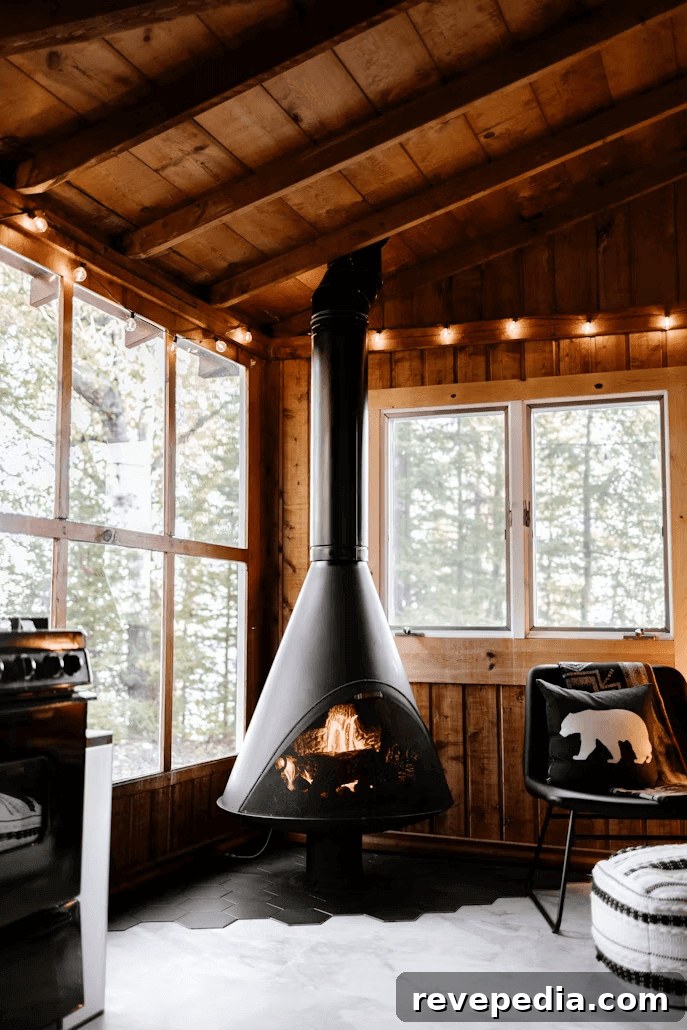
Durable materials and solid construction contribute directly to long-term safety and dependable operation. Stoves built with high-quality metals, reinforced components, and attention to thermal cycling endure repeated heating and cooling without premature degradation.
Manufacturers that emphasize robust engineering and careful assembly help ensure that safety-critical parts remain effective over the appliance’s lifespan. A well-built stove is less likely to develop leaks, structural cracks, or component failures that could compromise safe operation.
Pilot Safety Devices Prevent Fuel Issues
Pilot safety devices are designed to prevent uncontrolled fuel flow if the pilot light or burner flame extinguishes unexpectedly. By continuously monitoring flame presence, these devices shut off gas supply when needed, reducing the risk of unburned fuel accumulating inside the appliance or the room.
Because these safety features act automatically, homeowners gain protection without needing to check systems constantly. Pilot safety mechanisms are a practical, effective safeguard that supports safer everyday use of gas-fired stoves.
When evaluating fireplace stoves, it’s important to consider the full suite of safety features alongside performance and aesthetics. Automatic shut-offs, sealed fireboxes, protective glass, oxygen monitoring, effective venting, solid construction, and pilot safety devices each play a role in minimizing risk and enhancing reliability. Choosing a model that integrates these protections helps ensure safer, more comfortable heating for years to come, while reducing the chance of avoidable incidents and maintenance issues. Consulting with qualified installers and following manufacturer operating and maintenance guidelines will further support safe long-term use.