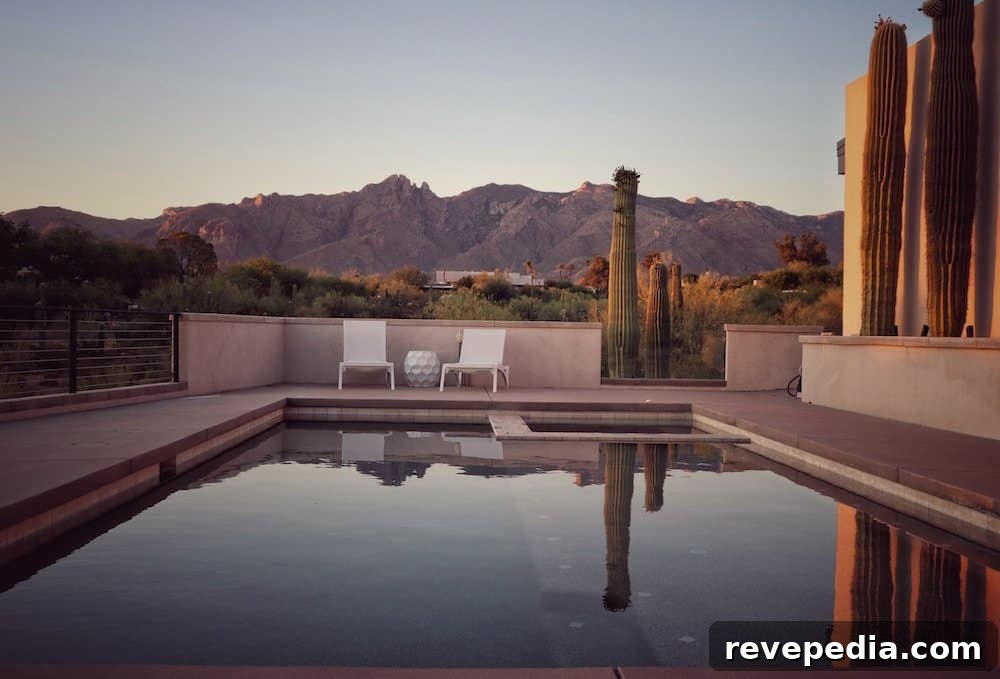
It’s time to close our pool for winter. We’ve had a wonderful summer and a long, warm fall here in Los Angeles, but cooler weather has arrived and it’s time to prepare the pool for the months ahead. While we don’t face the same freezing concerns as colder climates, winter care is still important to protect equipment and maintain water quality.
We keep our pool uncovered year-round, but if you live where heavy rain, snow, or falling debris are common, investing in a quality pool cover is a wise choice.
Below are the most effective steps to close your pool for winter and protect it through the off-season.
Skim and Brush
Even though you won’t be swimming, continue to skim the surface and remove leaves, dirt, and other organic matter while the pool still contains water. Letting debris accumulate makes your filter work harder and increases the risk of algae growth.
If you plan to use a cover, make sure the pool is thoroughly cleaned before covering it; a cover helps reduce maintenance but won’t prevent problems that start under it.
Check the Filters
Closing season is an ideal time to inspect and either clean or replace cartridge filters. If you have a diatomaceous earth (DE) filter, continue regular maintenance: backwash when required, recharge DE powder, and perform a deep clean at least once during winter if you’re leaving water in the pool.
A dirty or clogged filter will struggle to keep water clear, so address any issues before temperatures drop further. In freezing regions, drain the filter, pump, and heater and consider blowing out lines with an air compressor or shop vacuum to prevent pipe damage.
Regulate Your Chemicals
Understanding basic pool chemistry is essential, even if you use a maintenance service. Test strips are the easiest way to monitor key values. Test and adjust chlorine and pH levels regularly to keep the water balanced and safe.
If chlorine is low, add stabilizer tablets via the skimmer or a floating dispenser so they dissolve gradually. Adjust pH with pH Up or pH Down products according to your test strip readings. Proper pH balance ensures sanitizer effectiveness and protects pool surfaces and equipment.
This past summer we battled an algae problem that turned the pool a murky color. After consistent brushing and balancing, we treated the water with an algaecide and saw dramatic improvement within a day. Keeping a bottle of algaecide on hand can quickly resolve outbreaks before they worsen.
If you intend to fully shut down and cover the pool for winter, ensure it is crystal clear and chemically balanced before you do so.
Lower Your Water Level
If you are completely shutting down the pool, lower the water level roughly one foot below the skimmer using a submersible pump. Reducing the water level helps prevent freeze-related damage to skimmers, tiles, and the plumbing system when combined with blowing out lines in colder climates.
Cover Your Pool
A good pool cover protects water from debris, reduces sunlight exposure (which can encourage algae), and helps stabilize chemistry. Covers are an effective way to minimize winter maintenance and protect surfaces and equipment.
Store Accessories
Remove and store pool accessories in a temperature-controlled area if possible. Store chlorine tablet containers, brushes, skimmer baskets, poles, and any plastic items indoors to avoid damage from freezing or prolonged exposure to cold and moisture. Proper storage prolongs the life of your equipment.
With these steps completed — skimming and brushing, servicing filters, balancing chemicals, lowering water if necessary, covering the pool, and storing accessories — your pool will be well prepared for winter and ready for an easier reopening in spring.