As temperatures drop and winter storms approach, preparing your home for the cold is essential. Winterizing your house not only keeps you comfortable but also reduces energy waste and lowers heating costs. Below are practical, easy-to-follow steps to ensure your home is properly weatherproofed and energy-efficient for the colder months.
1. Check for drafts
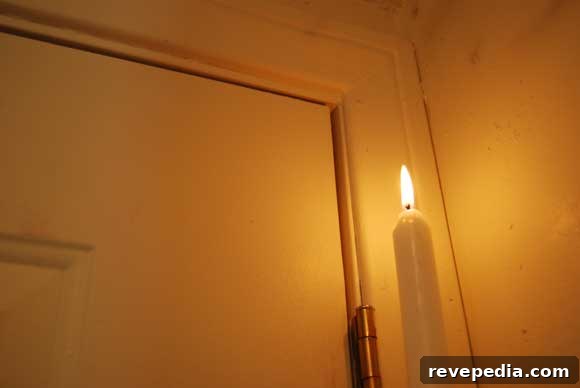
A large portion of a home’s heat escapes through gaps around doors and windows. To find these leaks, move your hand about four inches from the frame edges and feel for cool air. Often the small, persistent drafts are the most costly over time. Another simple test is to use a lit candle—make sure the room is still, then slowly move the flame along window and door edges. If the flame flickers or bends, you likely have a draft that needs sealing.
2. Seal doors and windows
After locating drafty areas, inspect the weatherstripping. Weatherstripping can deteriorate, crack, or peel away and should be replaced when it no longer seals properly. If the weatherstripping looks intact, check the alignment of doors and windows to ensure they close fully and aren’t obstructed by warped frames, paint build-up, or debris. Proper sealing prevents warm indoor air from escaping and cold air from entering, which helps your heating system run more efficiently.
3. Install a programmable thermostat
Maintaining a constant high temperature all day is unnecessary when a home is empty. Installing a programmable thermostat allows you to lower the temperature while you’re at work or asleep and raise it shortly before you return or wake up. This saves energy without sacrificing comfort. Set schedules that reflect your daily routine to maximize savings while keeping living spaces warm when needed.
4. Insulate properly
Good insulation is one of the most effective ways to reduce heat loss. Inspect the attic and check that insulation fills the spaces where walls meet ceilings—these joints are common sources of heat transfer and are sometimes overlooked or poorly fitted by installers. Ensure insulation around water heaters, hot water pipes, and heating ducts is intact and properly wrapped to minimize heat loss and improve system efficiency. Properly insulating these components reduces heat loss from pipes and ductwork and helps maintain consistent indoor temperatures.
Additional practical tips to further winterize your home:
- Service your heating system: Schedule a professional tune-up for your furnace or boiler to ensure it runs safely and efficiently throughout the season.
- Reverse ceiling fans: Set ceiling fans to spin clockwise on low to push warm air down from the ceiling into living spaces.
- Close unused rooms: Keep doors to unused rooms closed and reduce heating to those areas to conserve energy.
- Maintain vents and radiators: Keep furniture and curtains from blocking vents or radiators so heat can circulate freely.
- Use window treatments wisely: Heavy curtains or cellular shades add an insulating layer at night; open them during sunny days to benefit from passive solar heat.
- Check exterior elements: Inspect exterior caulking around trim, siding, and utility penetrations; reseal gaps that could let cold air and moisture in.
Taking these straightforward steps before the first heavy freeze will help your home retain heat, reduce energy bills, and create a cozier living environment throughout winter. Small repairs and adjustments—sealing leaks, improving insulation, and managing thermostats—add up to meaningful savings and greater comfort all season long.