 Being pregnant doesn’t automatically mean you’re sidelined — unless your doctor has placed you on bed rest. Barring medical restrictions, you can still contribute to home improvement projects safely. Having been through pregnancy while tackling renovations more than once, I’ve learned practical ways to stay involved without putting yourself or your baby at unnecessary risk. Below are sensible, experience-based tips that let you DIY while protecting your health and the one growing inside you.
Know your limits, but don’t underestimate yourself
Pregnancy affects energy and mobility in phases. The first trimester is often the most exhausting, and morning sickness can make even light tasks feel impossible. Later on, energy may rebound, but a growing belly, swelling, and joint changes will limit certain movements. Accept that tasks may take longer and that some jobs you used to do won’t be safe anymore. That doesn’t mean you can’t be helpful — it just means you’ll need to pick tasks that match your current abilities and be patient with your pace.
Use the right mask for the job
Respiratory protection matters. There are masks designed for dust, for fumes, and for paint particles. Even when using low-VOC or “baby-safe” paints, wearing an appropriate mask is a smart precaution. Choose task-specific respirators so you’re protected from sanding dust, paint fumes, or other airborne particles that standard masks might not block.
Wear gloves
Gloves protect your hands and improve grip. Latex or nitrile gloves are fine for painting and light indoor tasks. For heavier work or outdoor projects, use canvas or leather gloves. Pregnancy commonly causes swelling and joint discomfort, which reduces dexterity and increases the risk of dropping tools and small parts. Wearing gloves can prevent injuries, keep your grip secure, and save you from accidental cuts or splinters.
Support sore joints with braces
Pregnancy often causes carpal tunnel, knee pain, and generalized joint soreness. If you plan to be on your feet a lot or do repetitive hand work like painting, use wrist braces, knee supports, or ankle stabilizers and arch inserts. These supports reduce strain and make standing, walking, and repetitive motions far more comfortable as your body changes.
Wear proper shoes
Good footwear matters more than ever. Loose ligaments during pregnancy raise the risk of sprains and falls. Even if you prefer going barefoot at home, wear supportive, non-slip shoes when doing DIY work — especially on ladders, uneven surfaces, or around tools. Proper shoes improve balance, reduce back and foot pain, and dramatically lower the chance of an injury that could sideline you for weeks.
Slow down and build breaks into your plans
Nesting urges and project deadlines can make you rush, but rushing raises the risk of mistakes and injury. Plan more time than you think you’ll need. Schedule regular breaks for snacks, water, and bathroom trips — these become essential as pregnancy progresses. If a job used to take a day, allow a weekend now. Listen to your body; if you’re tired, stop and rest. The project will still be there tomorrow, and rest protects both you and your baby.
Choose manageable tasks
As your body grows, prioritize smaller, safer projects you can complete without strain. Painting baseboards, adding decorative elements in the nursery, organizing closets, or assembling furniture while seated are great ways to contribute. Smaller accomplishments still move projects forward and give you a tangible sense of progress without risking overexertion.
Ask for help when needed
Pride and independence are admirable, but some jobs should be handed off. If a project involves lead paint, asbestos risk, strong solvents, high lifts, or heavy lifting, step back and ask for help from a partner, friend, or professional. If you don’t have help available and the task is potentially hazardous, hire a qualified tradesperson for the day. Remember: if a task is unsafe for you during pregnancy, it will likely be unsafe for a newborn as well.
Prioritize safety — not speed
I learned the hard way that rushing yields hospital visits and setbacks. Maintain at least two points of contact when working at heights or on ladders and prefer a step stool to a tall ladder when possible. Move deliberately and keep your posture balanced to avoid twisting or falling. Use proper protective equipment with power tools, and if anything feels off — dizzy, short of breath, nauseous beyond normal pregnancy symptoms, or in pain — stop and contact your healthcare provider. It’s always better to be cautious.
Practical final reminders
– Prepare tasks in advance: lay out tools, water, snacks, and a comfortable place to sit for breaks.
– Avoid exposure to toxins: if a project smells strongly of chemicals or disturbs old paint, vacate the area and arrange for safer handling.
– Communicate needs: let household members know when you need assistance lifting, steadying, or holding items.
– Keep perspective: every small contribution matters, and being careful now protects you and your baby later.
All told, you can be an active part of home renovations while pregnant, but do it with protective gear, realistic expectations, and a readiness to ask for help. Use your best judgment, stay mindful of how your body feels, and prioritize tasks that match your current energy and mobility.
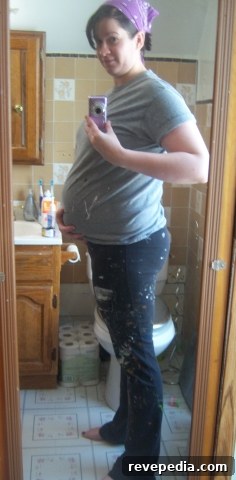
For context: the photo shows me at 25 weeks pregnant, on my way to paint our newly drywalled bedroom so we could move clothes out of the room that will become our daughter’s once we finish the floors. I take house projects seriously, but I also take safety seriously — especially when there’s a baby involved.