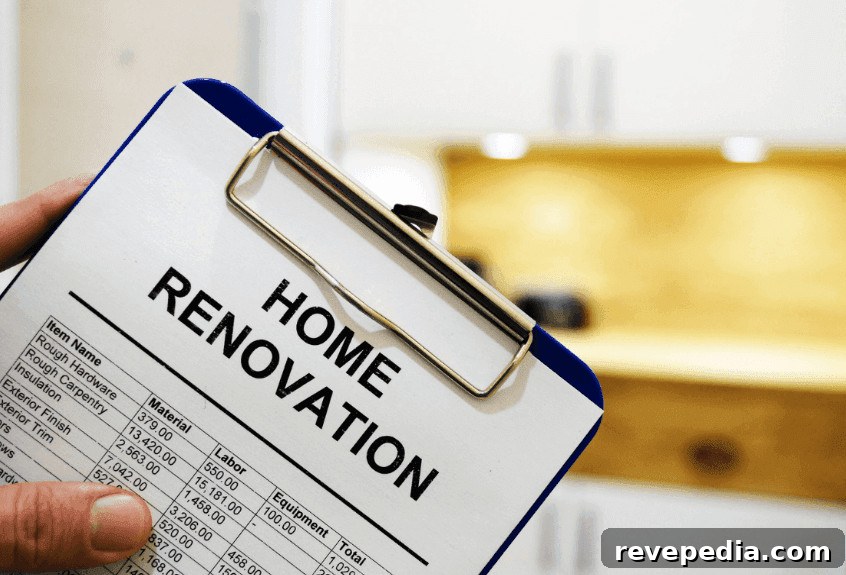
The last tool has been packed away and the final invoice signed. The contractor’s trucks are finally gone from the driveway. The lingering smell of fresh paint and sawdust begins to fade, replaced by the clean, unfamiliar scent of new cabinetry and polished stone.
You sit on your new furniture, looking around at a space that finally matches the vision you carried with you for months or even years. It’s a moment of genuine relief—you can finally breathe.
For many homeowners, however, that relief is quickly followed by a creeping sense of vulnerability.
Have you ever stood in a newly finished room and felt a sudden wave of financial vertigo? That realization that the safety net feels a little thinner now can be unsettling.
A home renovation is rarely only about changing your physical surroundings. It is a significant financial event that reshapes your relationship with money long after the final check clears. While we spend countless hours obsessing over budgets, tile selections, and labor costs during the project, we seldom address the financial ripple effects that follow.
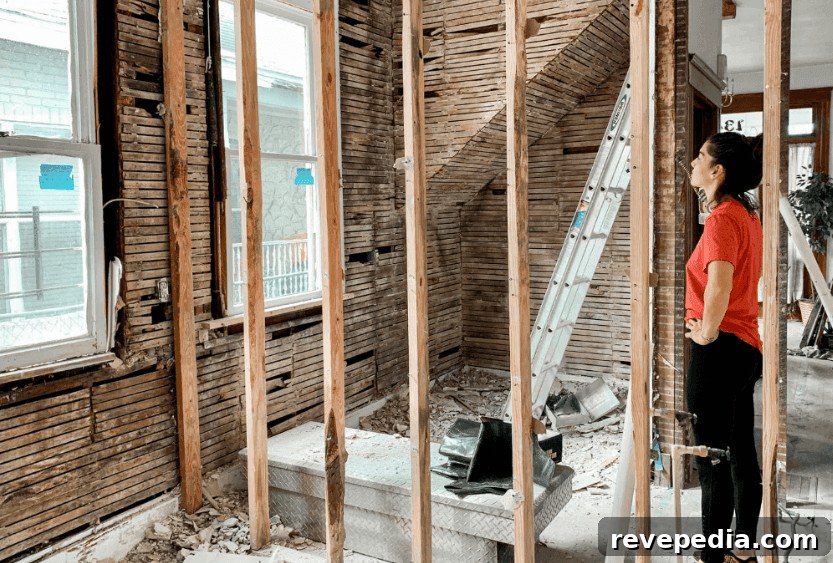
This period—best described as post-renovation drift—is when the long-term impact of a remodel begins to appear, often in ways homeowners do not anticipate.
When you complete a major project, your household’s financial ecosystem changes. Whether you tapped a home equity line of credit, used significant savings, or combined cash and specialized financing, your baseline shifts. Liquid reserves decline, monthly obligations may rise, and your overall financial flexibility is altered.
The danger comes when spending habits don’t adjust to that new reality. After months of writing large checks to contractors, your perception of money can become distorted. Small purchases start to feel insignificant compared with the recent big expenses.
You might find yourself thinking, “We just spent forty thousand on the kitchen, so what’s another few hundred for the perfect bar stools?” That attitude is exactly how minor purchases add up and strain an already reduced safety buffer.

This psychological shift marks the start of the drift—how a tightly managed renovation budget gradually becomes unmanaged lifestyle inflation. The immediate aftermath of a project requires a deliberate recalibration of financial habits. You need to move from accumulation and construction back to preservation and balance. Practically, that might mean resisting the impulse to keep shopping for months after the job is done.
Beyond everyday spending, a major renovation also affects your broader financial profile. New financing changes your debt-to-income ratio and how lenders view your stability. Opening new lines of credit, using promotional financing, or taking on additional loans leaves a footprint. During this transition, monitoring key financial metrics is essential.
Keeping an eye on your credit score and other financial indicators helps ensure that the excitement of improving your home doesn’t unintentionally compromise your borrowing power for future needs. A beautiful house is less valuable if it locks you out of other opportunities. Protecting your financial health is part of protecting the peace of mind you feel while sitting on your new deck.
A healthy financial profile is what enabled you to invest in your property in the first place, and maintaining it after the renovation is as important as protecting new hardwood floors from scratches.
Successfully managing the post-renovation period comes down to a few straightforward strategies. First, set a firm boundary around the renovation budget. Once the contractor leaves, treat the renovation as closed. Any additional decor, window treatments, or furniture should come from your regular discretionary income rather than being mentally rolled into the renovation budget.
This boundary prevents slow, incremental overspending and forces you to confront the true cost of finishing the space.
Second, prioritize rebuilding your emergency fund. A beautiful home can quickly become a source of stress if you find yourself asset-rich but cash-poor. If you depleted savings to complete construction, restoring that safety net should be your next financial goal.
Finally, give yourself permission to leave parts of the space unfinished for a while. There’s immense pressure to make a newly remodeled home look picture-perfect immediately—art on the walls, rugs in place, shelves perfectly styled for the reveal. But homes develop character over time.
Living in the space first lets you see how light and daily life interact with it across seasons, and it gives you time to save gradually for the finishing touches. That approach is both financially responsible and creatively rewarding.
Remember: a home is an evolution, not a single milestone. Treat your finances with the same care, long-term vision, and attention you gave to the blueprints, and your newly renovated space will remain a place of comfort, joy, and genuine security for years to come.