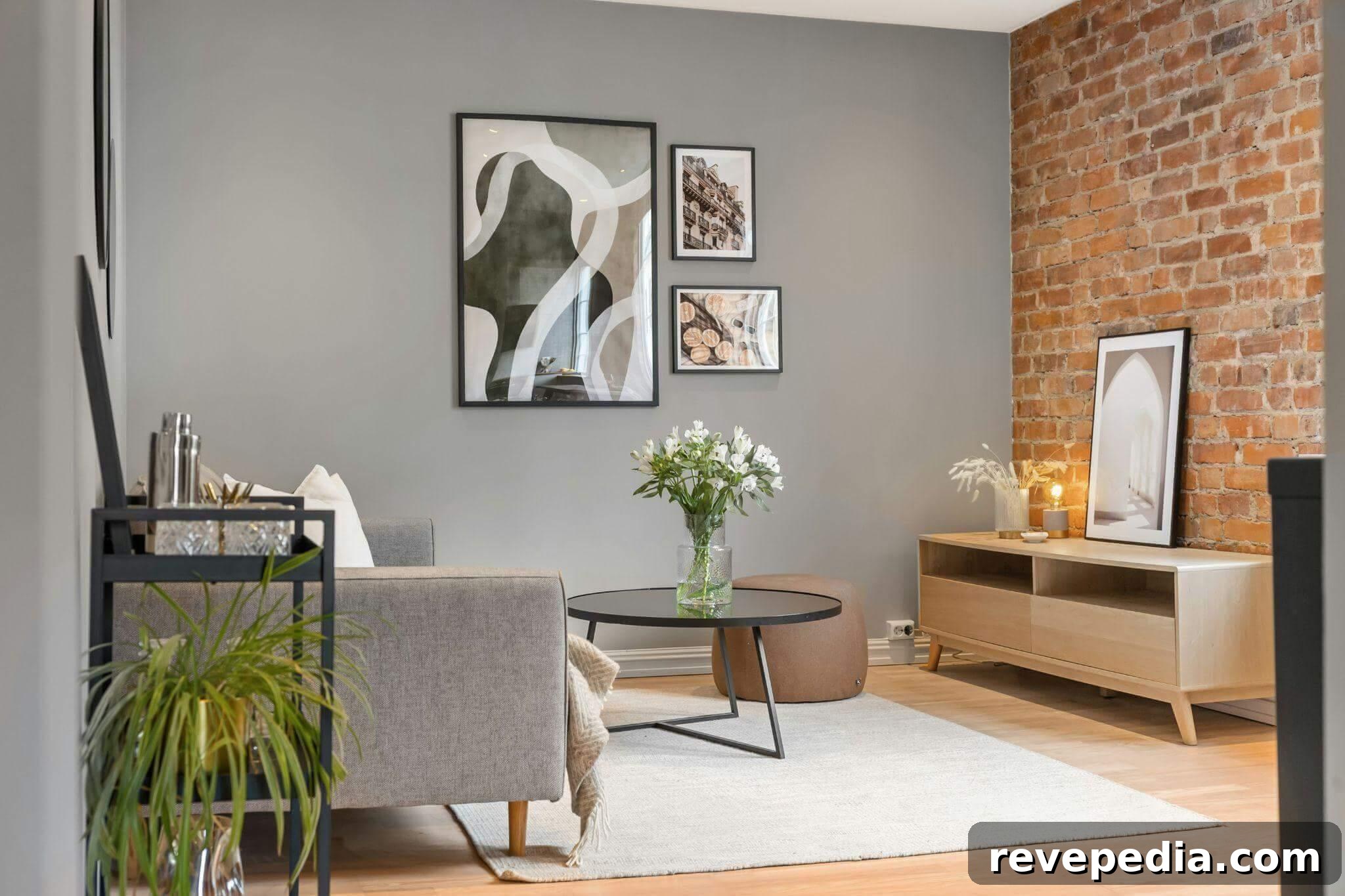
Home design has shifted significantly in recent years. As people spend more time at home, their expectations for interiors have changed: aesthetics remain important, but comfort and practicality now carry equal weight.
Furniture is no longer selected solely to match a particular style. Today’s homeowners prioritize pieces that simplify daily life, open up rooms visually, and create relaxed, welcoming environments. The modern home must accommodate many activities—remote work, family meals, quiet evenings, and entertaining—so furnishings that work well across situations are increasingly valued.
Because of this change, furniture trends emphasize flexibility, comfort, and durability over fleeting fashions.
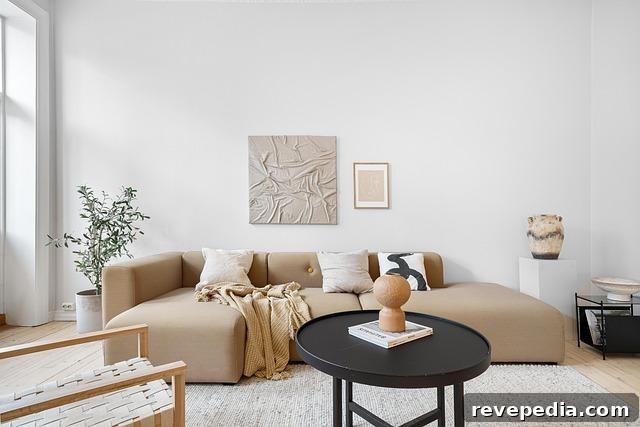
Multifunctional Furniture Is Everywhere
As living spaces become more versatile, homeowners look for smarter ways to organize interiors. Visualization tools from 3D rendering firms help people see how multifunctional pieces will fit and function in a room before making changes, which is especially useful in smaller homes and apartments where space must be maximized.
Adaptable furniture has grown more common: extendable dining tables for guests, beds with integrated storage, modular sofas, and fold-away desks all help households use space more efficiently.
Remote work has accelerated this trend. Without dedicated home offices, living rooms and bedrooms often double as workspaces. Rather than cluttering rooms with extra items, people increasingly choose furniture that transitions easily between uses.
Modern multifunctional furniture is also designed to be stylish and streamlined, avoiding a bulky or overly utilitarian look.
Homes Are Feeling Softer and More Comfortable
Minimalism remains popular, but its tone has softened. Where modern homes once felt sharp and overly polished, many now favor warmer, more comfortable interiors.
Neutral palettes continue to be common, but they are paired with warmer textures and natural materials—linen, wood finishes, soft lighting, and textured upholstery—to make spaces feel inviting rather than formal.
Curved furniture has grown in appeal as well. Rounded sofas, curved chairs, and circular coffee tables create a gentler visual flow that promotes calm and a relaxed atmosphere.
This shift reflects homeowners’ desire for spaces that feel peaceful and easy to live in, not merely impressive.
Sustainable Design Is Becoming More Important
Sustainability now weighs heavily in furniture decisions. More buyers consider origin, materials, and product longevity when selecting pieces.
Natural and eco-conscious materials are increasingly common: reclaimed wood, recycled components, organic textiles, and handmade details are rising in popularity.
Homeowners are also more cautious about trend-driven purchases, favoring timeless pieces that endure across changing styles. This approach reduces waste and produces interiors that feel more authentic and personal.
Smart Furniture Is Quietly Changing Interiors
Technology has become integrated into everyday design, but often discreetly. Furniture now frequently includes built-in charging stations, concealed storage for electronics, adjustable lighting, and cable management solutions.
Home offices particularly reflect this integration, with clean, organized workspaces designed to accommodate hybrid work patterns.
Planning technology also informs furniture decisions. Before making significant purchases, many homeowners use 3D visualization services to preview layouts, colors, and furniture arrangements in realistic digital interiors, giving a clearer sense of scale and helping avoid costly mistakes during renovations or redecorating.
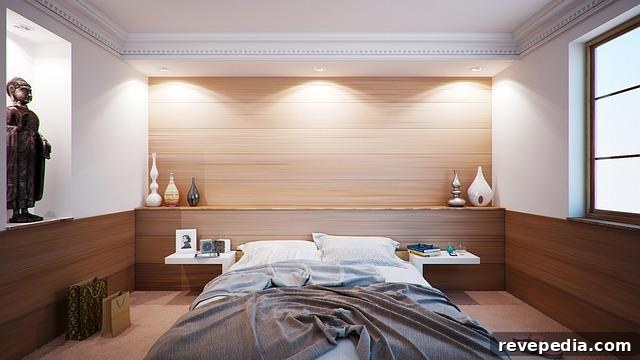
Personal Style Matters More Than Perfect Design
One of the most notable changes in modern interiors is the emphasis on personality. Perfectly staged rooms are giving way to spaces that reflect the people who live in them.
Many homeowners blend contemporary furniture with vintage finds, handmade decor, and meaningful personal items, creating spaces that look collected over time rather than copied from a catalog.
Comfort now often outranks rigid design rules. Soft seating, cozy fabrics, layered lighting, and functional layouts are prioritized to make rooms feel livable and welcoming.
The result is modern homes that feel more natural and inhabited than those of a decade ago.
Looking Ahead
As lifestyles continue to evolve, furniture trends will keep changing, but the direction is clear: people want homes that are comfortable, flexible, and personal.
Instead of chasing dramatic or short-lived trends, homeowners are investing in thoughtful choices that improve everyday life. Multifunctional furniture, sustainable materials, softer interiors, and integrated technology are central to this movement.
Modern homes increasingly prioritize the needs of daily living over appearances alone, designed to support the people who inhabit them every day.