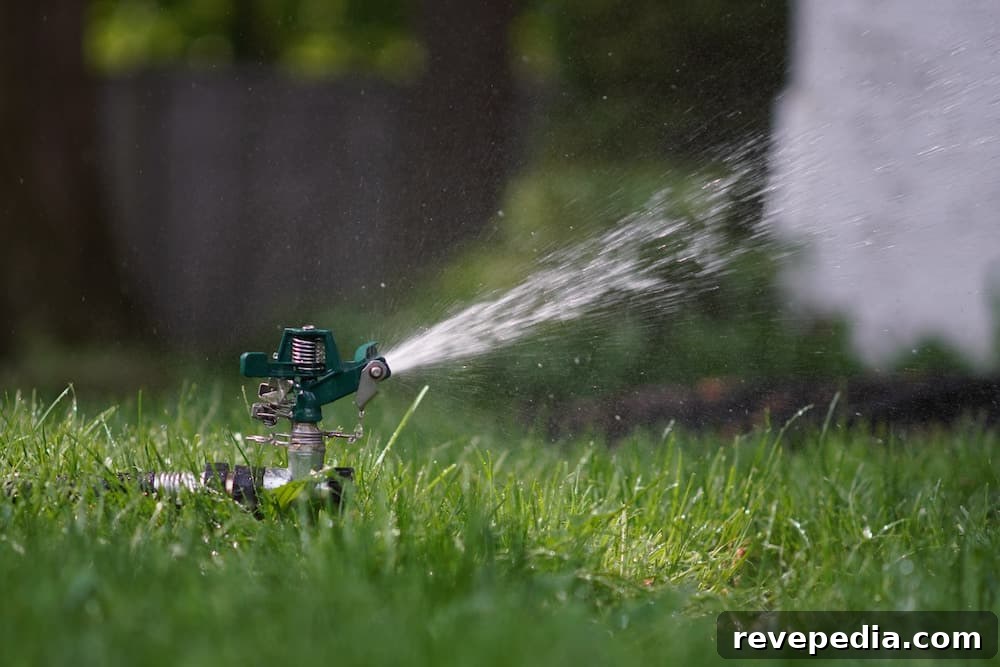
Water conservation matters for the environment and your household budget. Small changes in daily habits and a few simple upgrades can substantially reduce water use at home. Below are ten practical, easy-to-implement tips to help you conserve water wherever you live.
1. Check for Leaks
Pipes, faucets, and toilets that leak can quietly waste large volumes of water. A faucet that drips once per second can use more than 3,000 gallons a year. Inspect fixtures and exposed pipes regularly, listen for running water, and repair leaks promptly. Many utilities offer free or low-cost leak detection kits—fixing leaks reduces water bills and preserves a vital resource.
2. Install Water-Saving Fixtures
Upgrading to low-flow showerheads, faucet aerators, and high-efficiency toilets can cut water use without sacrificing performance. When buying new fixtures, look for certified water-saving models—these are designed to deliver the same experience while using less water. Simple retrofits like faucet aerators are inexpensive and provide immediate savings.
3. Turn off the Tap
Turning off the tap whenever it isn’t needed is one of the easiest ways to conserve water. Running water while brushing your teeth or shaving can waste several gallons each session. Use a cup to rinse when brushing, and only run the tap when necessary to reduce daily water use.
4. Take Shorter Showers
Showers can use a lot of water—standard showerheads may consume several gallons per minute. Cutting a few minutes off each shower adds up quickly, and installing a low-flow showerhead reduces usage further. Aim for five minutes or less when possible to save both water and energy used to heat it.
5. Collect Rainwater
Collecting rainwater in barrels or other containers provides a free source of water for outdoor uses like watering gardens and lawns. Using captured rainwater reduces reliance on municipal supplies and can lower water bills. Rainwater is also suitable for many non-potable tasks, such as washing cars or flushing outdoor toilets where permitted.
6. Use a Broom Instead of a Hose
Clean driveways, patios, and sidewalks with a broom rather than a hose to avoid unnecessary water waste. When washing a car, use a bucket of soapy water and a rinse bucket instead of allowing a hose to run continuously. These simple swaps save water and deliver similar cleaning results.
7. Only Run Full Loads
Operate dishwashers and washing machines only with full loads to maximize water efficiency. Running partial loads wastes water and energy. When possible, choose an eco or water-saving cycle, and adjust settings for smaller loads if your appliance has that option.
8. Water Plants Wisely
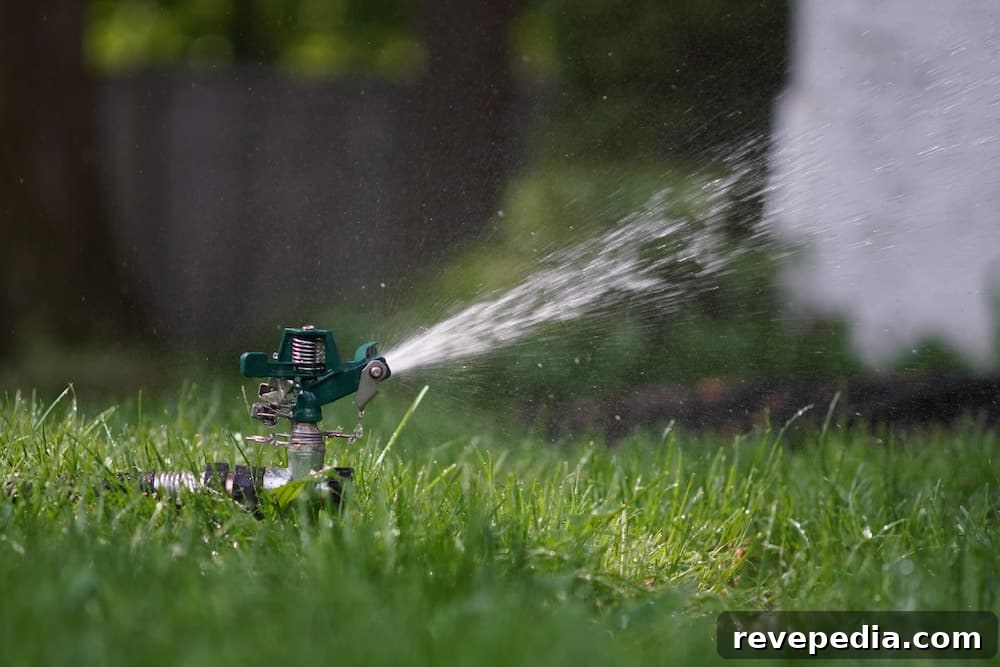
Water plants in the early morning or late evening to reduce evaporation and make the most of each watering. Avoid frequent shallow watering; instead, water deeply and less often to encourage strong roots. Mulch around plants to retain soil moisture and consider drip irrigation systems that deliver water directly to roots with high efficiency. Smart irrigation controllers can also optimize schedules based on weather and soil conditions.
9. Use Drought-Tolerant Plants
Choose drought-tolerant and native plants for your landscape to lower watering needs. These species are adapted to local climates and typically require far less irrigation than water-thirsty lawns or non-native ornamentals. Succulents, lavender, rosemary, and many native grasses are good examples; consult local nurseries or extension services for region-specific recommendations.
10. Educate Your Family and Community
Encourage family members to adopt water-saving habits and explain why they matter. Community outreach—through neighborhood groups, schools, or local conservation programs—multiplies the impact of individual actions. Many municipalities offer resources, workshops, and rebates for water-efficient appliances, so share information and participate in local conservation efforts to broaden awareness and save more water together.