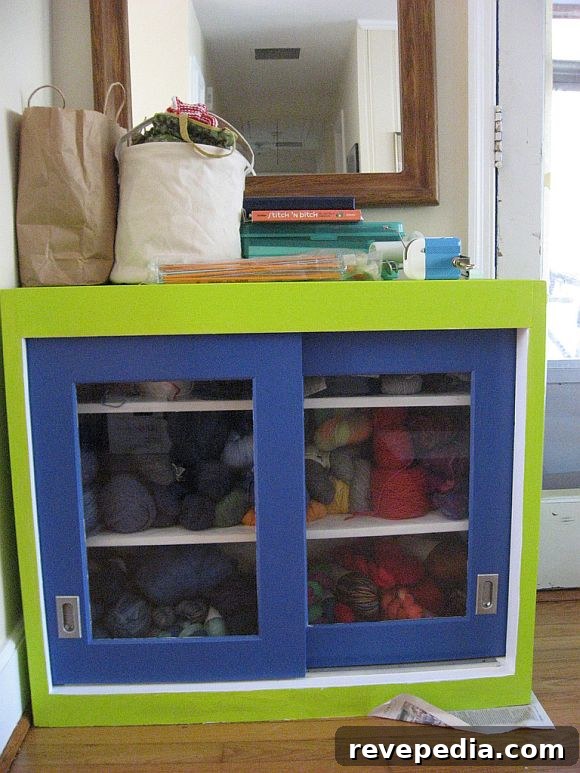
One of the best parts of getting married—aside from love and commitment—is the practical benefit of registering for household items. As our wedding approaches, my fiancé and I are living in a one-room loft already full of belongings, and storage has become a serious challenge. My solution for housing pots, pans, dishes and glassware is a renovated armoire that combines function with character.
Living in a small space means every square inch counts, so I’ve been scouting salvage shops around Kansas City to find the right piece. An antique or used armoire can provide far more storage than a comparable new unit, often at a lower price and with more personality. I haven’t settled on the perfect armoire yet — when I find it, I’ll document the full step-by-step transformation — but I’ve gathered several practical ideas to help turn any cabinet or armoire into stylish, useful storage for kitchenware, tools, linens or jewelry.
A good starting point is basic surface restoration. Thorough sanding followed by a fresh coat of paint can dramatically update an older piece. Choose a bright, contemporary color for a modern, eye-catching look, or stick with neutral tones like cream, gray or muted blue for a timeless aesthetic that complements many interiors.
Replacing hardware is a quick, high-impact upgrade. New drawer pulls, knobs or a decorative lock can instantly modernize a piece. Don’t hesitate to mix finishes—brass, matte black or brushed nickel can change the mood of the furniture and coordinate with your other fixtures.
To improve organization, add small functional details. Hooks mounted to the inside of a door are perfect for hanging measuring cups, oven mitts or necklaces. Small trays or shallow dishes attached to the door or inside drawers keep loose items like jewelry, spices or screws contained and easy to find.
If you need more shelving, consider adding or repositioning shelves to maximize vertical space inside the armoire. Adjustable shelving or removable inserts gives you flexibility to store tall items like pitchers or short stacks of plates. For heavy items such as cast-iron pans, use sturdy, reinforced shelving and consider adding non-slip liners to prevent shifting.
Think of an old cabinet as a blank canvas for practical DIY customization. Paint, hardware and internal fittings let you tailor the piece to your needs—whether that means a dedicated cookware station, a compact pantry, a media cabinet or a jewelry wardrobe. Simple woodworking skills and basic tools are often enough to make meaningful changes, and many salvage finds respond well to modest investment rather than full restoration.
Lighting can also elevate functionality. Battery-operated LED puck lights or strip lights installed inside the armoire improve visibility and make the interior feel more finished, especially in a dim loft. Magnetic or motion-activated options are easy to install and avoid the complexity of hardwiring.
When selecting a salvage piece, check for structural soundness: ensure doors hang properly, drawers slide smoothly, and the frame is solid. Minor cosmetic flaws like scratches or worn finishes are usually easy to repair, but extensive rot or insect damage can be costly or unsafe to fix. Measuring your available space and the intended contents beforehand will help you choose a piece with the right proportions and internal capacity.
Have you renovated a piece of furniture to give it new life and functionality in your home? Share your tips—I’d love to hear what worked for you. I’ll post updates once I find the right armoire and begin the makeover, including step-by-step photos and what I learned along the way.
Photo credit: sleepyneko