Modern workshops have changed significantly over the last decade. If you’ve ever lost track of a part mid-build, you know how quickly a project can stall. Time is wasted, mistakes multiply, and straightforward tasks become frustrating.
Today’s priorities extend beyond speed. Accuracy, organization, and accountability are just as important as finishing on time.
Whether you work in a small garage or a larger fabrication shop, keeping track of parts, tools, and assemblies can become complicated fast. As projects grow more detailed, clear identification and labeling of components have become necessary parts of the workflow.
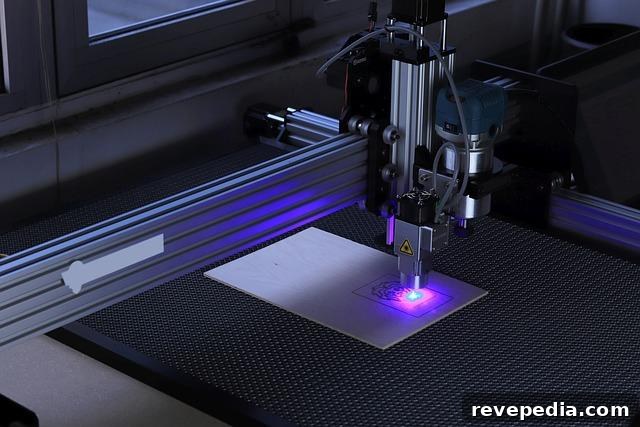
This is where permanent marking becomes valuable. What was once optional is now a standard practice in many shops. From labeling custom parts and stamping serial numbers to adding subtle branding, permanent marking ensures essential information stays with the item over its lifetime.
For teams using tools such as a laser marking machine, the benefit goes beyond efficiency. Permanent marking contributes to a cleaner, more reliable workflow from start to finish.
Improving Product Traceability and Identification
Staying organized is one of the biggest challenges in any busy workshop. When juggling multiple builds or repeat orders, it’s easy to lose track of parts or mix up similar components.
Consider a custom furniture job or a metal fabrication project with many similar pieces. Without clear identification, parts can be swapped or installed incorrectly.
Before permanent marking, many shops relied on tape, temporary labels, or memory. Tape peels, ink fades, and tags are easily lost as a project progresses.
After permanent marking, each component carries its own, durable information. You can pick up a part at any stage and immediately know where it belongs and what it is.
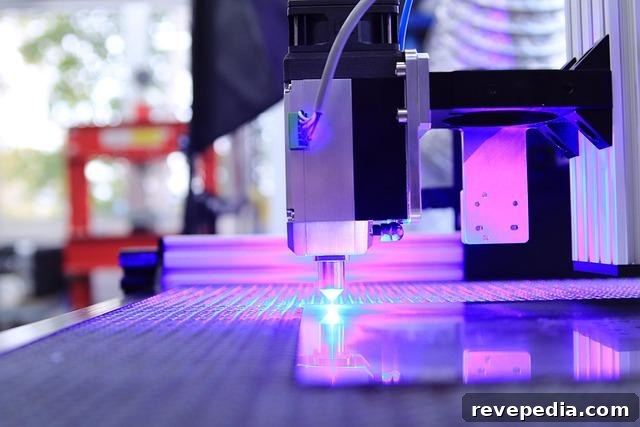
Permanent marking addresses identification problems by directly applying key data to the part. Unlike stickers or paper tags that can fall off, engravings and etched marks remain legible for the life of the item.
This approach is particularly valuable for:
- Custom assemblies composed of many individual components
- Replacement parts that must match exact specifications
- Tools and equipment that are shared or moved frequently
Clear identification also speeds troubleshooting. If a problem arises, you can trace a part back to its production details—when it was made, what batch it came from, or which design it matches—reducing guesswork and downtime.
Accurate measurement is integral to effective marking. Parts must be consistent in size and finish before any marking is applied. Instruments such as micrometers ensure dimensions are precise so marks are placed correctly every time.
Placement matters as much as the marking itself. A mark that is hard to see or read loses its usefulness. Combining precise measurement with consistent marking practices guarantees parts are identifiable when it matters most.
Modern laser markers often use Q-switch technology to generate high-peak-power pulses that engrave crisp, durable lines into hardened surfaces. This optical precision keeps barcodes, serial numbers, and identification marks legible even under harsh conditions.
Why Marking Technology Is Becoming a Standard in Workshops
As workshops take on more complex projects, having a reliable system to label and track parts becomes increasingly important. Permanent marking integrates naturally into these workflows.
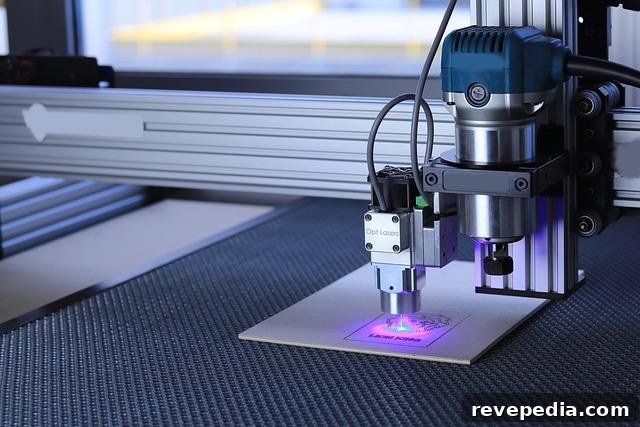
One major advantage is flexibility. Contemporary marking systems can handle a variety of materials—metals, plastics, and many coated or treated surfaces—so a single solution can serve many types of projects without frequent reconfiguration.
Durability is another key benefit. Workshop items are exposed to heat, dust, moisture, and heavy use. Permanent markings withstand these conditions, keeping identification readable over time and avoiding repeated relabeling.
This durability is particularly useful for shared tool sets and commonly used equipment. Instead of constantly replacing worn tags, permanent marks remain clear after repeated handling and exposure.
Simple measurement tools such as calipers remain important to ensure parts are prepared correctly for marking and that marks align precisely with design requirements. This quality-control step prevents costly errors and maintains a professional finish.
Integrating marking into regular processes improves workflow efficiency. When marking is a routine part of production, less time is wasted managing temporary labels or tracking down lost parts—identification is built into each stage of the job.
Permanent marking also supports more advanced production systems. As shops adopt digital tracking, inventory management, and build logs, having a reliable physical identifier makes it easy to link a component to its specifications, manufacturing date, or design file.
Conclusion
Permanent marking is rapidly becoming standard practice in modern workshops because it improves organization, increases accuracy, and simplifies management of both simple and complex builds.
By combining durable marking methods with precise measuring tools, shops can create repeatable, efficient processes. Each marked part becomes easier to track, maintain, and trace throughout its lifecycle.
Small changes like adopting permanent marking lead to smoother workflows and more consistent outcomes. It’s not just about labeling—it’s about building a workspace that operates more reliably and produces higher-quality results.