We recently heard a distressing story from a friend who discovered a sudden honeybee infestation in her chimney. She came home to find several bees buzzing through her living room and quickly realized they were entering through the fireplace. Thinking fast, she sealed the fireplace opening first with a large sheet of plastic wrap and then covered that with painter’s plastic, taping it tightly to create an airtight barrier.
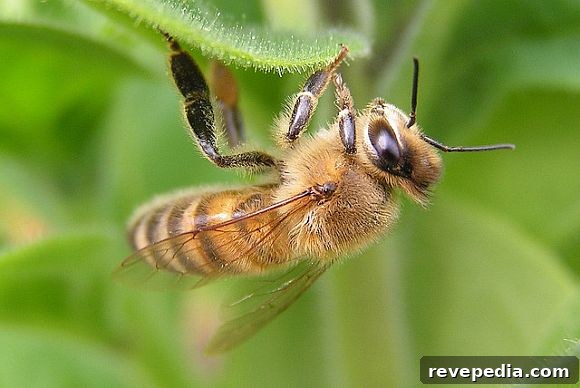
If you own a home with a fireplace and chimney, it’s possible you may face a similar situation if bees choose to build a hive inside the flue or chimney cavity. The key question is: what should you do next?
Our friend received conflicting advice. Some local pest professionals suggested lighting a small fire so heat and smoke would encourage the bees to leave. Others recommended removing the hive entirely to prevent the bees from returning. Both approaches have pros and cons: smoke may drive bees away temporarily but won’t resolve an established colony, while full removal is a more permanent solution but often requires more time and disruption.
There is a do-it-yourself method for relocating a chimney hive, but it is labor-intensive and can be time-consuming. One common technique is to seal the chimney everywhere except for a single exit point at the top. A funnel or mesh cone is then attached to guide bees out into an adjoining box hive. Over days or weeks, the colony will move into the box hive, which can then be transported and released at a distant site. This method preserves the bees and avoids killing them, but it usually requires patience and careful monitoring for several weeks.
Because of the time involved and potential safety risks, we usually recommend contacting a specialist experienced in bee removal. Professional apiarists or humane wildlife removal experts can assess the situation, choose the least destructive and most effective method, and safely relocate the colony. They can also advise on whether structural work is needed: in some cases, sections of the chimney or brickwork may need to be opened to fully remove comb and debris. Although that can cause short-term damage to the chimney, a thorough removal followed by professional repairs will prevent future infestations and address any structural problems.
Whatever approach you choose, prioritize safety. Avoid attempting to remove a hive without proper protective gear and knowledge, and be mindful that disturbing a colony can provoke defensive behavior. If family members are allergic to stings, evacuate the area and call a professional immediately.
Have you ever dealt with a bee infestation in a chimney or elsewhere in your home? What method did you use and how did it turn out?