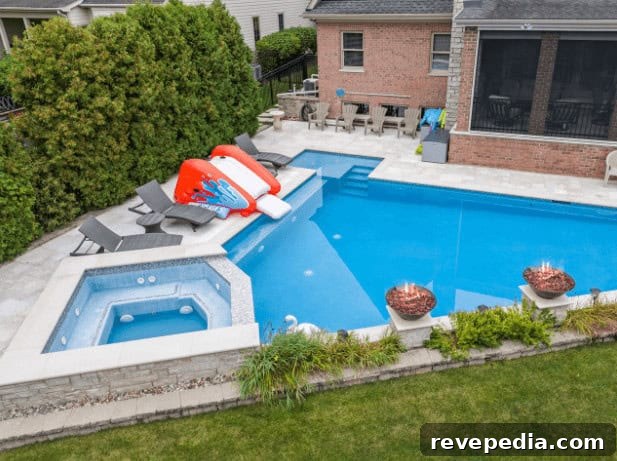
An inground pool is widely considered the premier option for backyard swimming installations. Choosing an inground pool instead of an aboveground model delivers lasting beauty, greater durability, and often lower long-term maintenance costs—making the higher initial investment worthwhile for many homeowners.
Professional inground pool builders emphasize that inground pools come in a variety of styles, each with distinct advantages and trade-offs. Understanding those options before you decide helps ensure you pick a pool that fits your yard, lifestyle, and budget. The right design can transform your outdoor space into a relaxing retreat that family and friends will enjoy for years.
Types of Inground Pools: Advantages and Considerations
There are several common inground pool types to consider. Your choice should reflect how you plan to use the pool, the available space, and your maintenance expectations. Below are the most popular styles, with practical pros and cons to help you decide.
1. Plunge Pools
Plunge pools are small, shallow pools intended for cooling off, relaxing, or socializing around the water rather than serious lap swimming. They’re an excellent option for compact yards or homeowners who want a low-cost, low-maintenance water feature for dipping and lounging.
Pros: lower construction and upkeep costs; suitable for small spaces; quick to heat if you want year-round comfort. Cons: limited swimming space, so they’re not ideal for families who want extensive play or for anyone who intends to use the pool primarily for exercise.
2. Lap Pools
Lap pools are long and narrow, designed specifically for exercise and continuous swimming. If you’re committed to regular aquatic workouts and have sufficient yard length, a lap pool provides a focused, efficient space for training and fitness.
Pros: excellent for serious swimmers and structured workouts; can be upgraded with elegant finishes and amenities without altering the basic fitness-focused layout. Cons: less versatile for family play or social gatherings; formal shape makes it harder to incorporate recreational features like slides or large shallow lounging areas.
3. Standard Geometric Pools
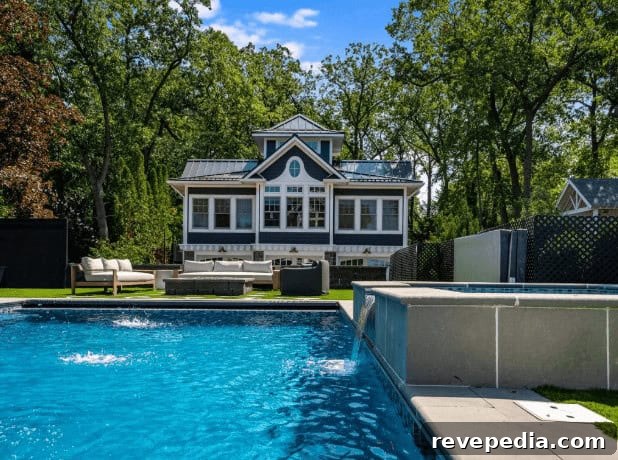
Rectangular or other geometric pools with distinct shallow and deep ends are the classic, versatile choice for many households. These pools are well-suited to families who want a mix of lap swimming, play, and entertaining. They also integrate easily with patios, outdoor kitchens, and decking areas.
Pros: versatile for swimming, play, and socializing; straightforward to pair with hardscaping and outdoor living features. Cons: standard shapes can feel formal or predictable; depending on size and finishes, installation costs can be higher than for smaller or simpler pool types.
4. Freeform Pools
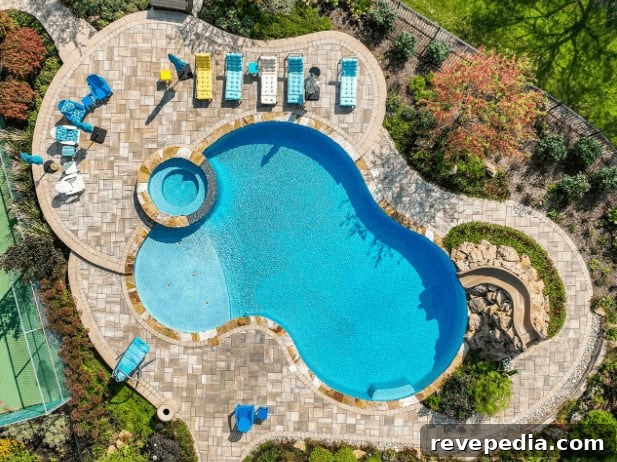
Freeform pools use organic shapes and naturalistic elements—curves, waterfalls, planted edges, and rockwork—to create a landscape-focused aesthetic. They’re designed to blend with the yard and evoke a pond-like, park-style atmosphere.
Pros: unique, visually striking, and ideal for homeowners who want a pool that complements a natural landscape. Cons: often more expensive to design and build because of custom shapes and water features; certain design elements can increase maintenance requirements.
How to Choose the Right Inground Pool for Your Yard
Selecting the ideal inground pool starts with clarifying how you’ll use it. Will it be a place for daily exercise, a family play area, a private retreat, or a showpiece to enhance your landscaping? Once you understand your primary goals, narrow choices by available yard space, budget, and maintenance preferences.
All common pool types can be customized with finishes, lighting, water features, heating, and decking to match your aesthetic and functional needs. A reputable pool builder will help you refine the design, recommend materials and systems, and guide you through permits and construction so the final pool suits your lifestyle.
Whether you want a compact plunge pool for relaxation, a lap pool for regular workouts, a geometric family pool, or a freeform, naturalistic oasis, choosing the right base design makes subsequent customization straightforward. With careful planning and professional guidance, you’ll create a backyard pool that adds enjoyment and value to your home for years to come.