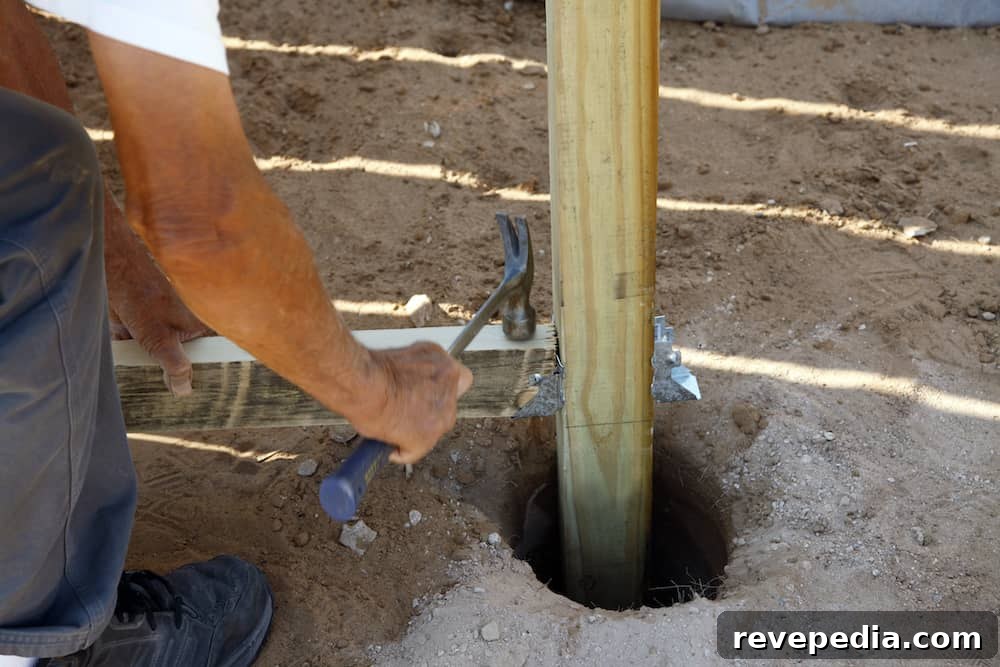
Frost heave can create serious problems for homeowners when installing posts for fences, decks, sheds, or other structures. The phenomenon occurs when water in the soil freezes, expands, and lifts the ground around the posts. That upward movement can push posts out of alignment, make them lean, or even break them, compromising the stability of the entire structure. The following guidance explains how to prevent frost heave before it starts so your posts remain stable and secure for years.
Choose the Right Posts
Selecting appropriate post materials and treatments is a primary defense against frost heave. Concrete posts and pressure-treated lumber typically resist frost-related movement better than untreated wood because they absorb less water. If you use pressure-treated lumber, consider adding a protective sleeve or post protector around the base to block moisture and reduce direct contact between wood and wet soil. Encasing the lower portion of the post slows decay and reduces water infiltration that contributes to freezing and lifting.
Set Posts at the Right Depth
Proper depth is essential. Posts for typical six- to eight-foot structures should generally be set at least two feet deep, but local frost depth varies, so check your regional frost line and set posts below it whenever possible. Digging deeper also allows room for a gravel or crushed-stone base—adding eight to ten inches of compacted drain rock at the bottom of the hole promotes drainage and reduces the amount of water that can collect and freeze under the post.
Prepare the Soil Properly
Soil preparation around the post hole affects how much water the ground stores and how it behaves in freezing conditions. Remove grass, roots, and other organic material that retain moisture, and tamp or compact the surrounding soil to reduce future settling or shifting. Adding a layer of coarse gravel or crushed stone around and beneath the post creates an insulating, free‑draining zone that helps keep the immediate soil warmer and prevents water from pooling where it can freeze and cause heaving.
Use the Right Post-Setting Techniques
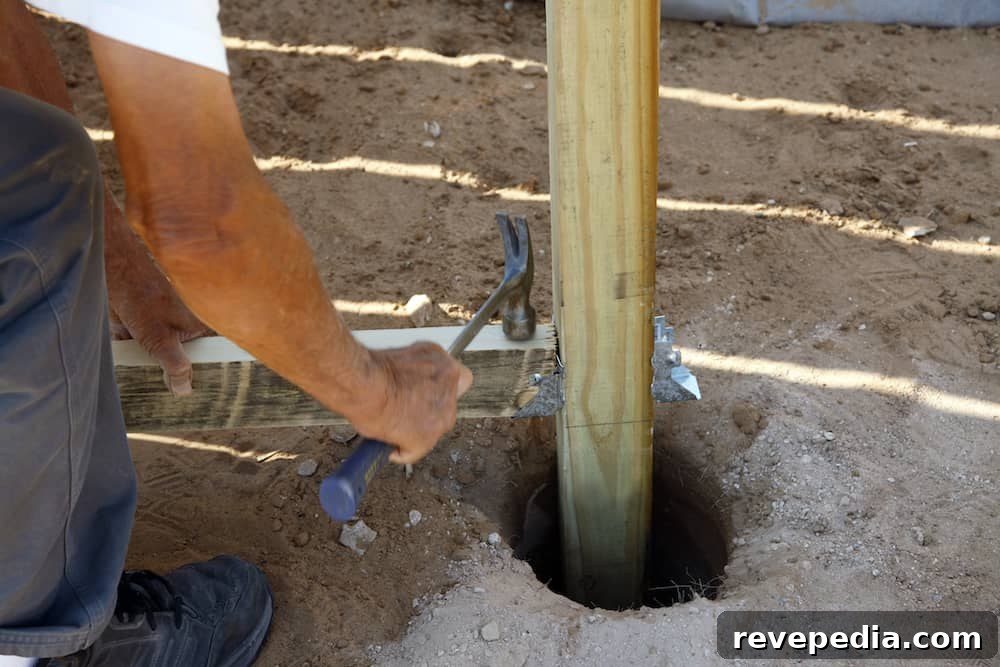
How you set the post matters. Make sure posts are plumb and level before backfilling, and use proper anchoring techniques to transfer load below the frost zone. In colder climates, consider using post anchors or galvanized brackets that extend below the base of the post and act like deep stakes; these distribute structural loads into more stable soil and resist upward movement from frost. When using concrete, avoid filling the entire hole with a continuous column that can be lifted; instead, place compacted gravel beneath the post and use concrete sparingly or use an anchoring plate system when appropriate.
Maintain Your Posts Regularly
Ongoing maintenance helps detect early signs of frost heave and prevents small issues from becoming major problems. Inspect posts seasonally for leaning, wobbling, or gaps between post and surrounding soil. Tighten fasteners, add bracing, or replace degraded posts as needed. If you spot a leaning post, address it promptly—correcting alignment early is easier and less costly than rebuilding after significant heave has occurred.
Preventing frost heave requires combining the right materials, correct installation depth, proper soil preparation, effective anchoring, and routine maintenance. Following these steps minimizes the risk that freezing soil will lift or destabilize your posts, keeping fences, decks, sheds, and other structures secure and durable through winters and beyond.