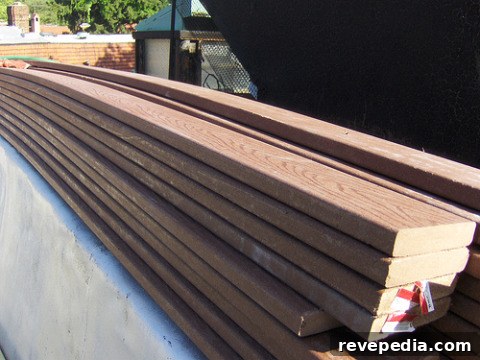
You invested in Trex or another leading composite decking brand expecting a low-maintenance solution. The promise was clear: no staining, no rotting, no splinters, and no insect problems.
But now you’re upset.
That smooth, attractive composite surface you paid for is marred by dark spots and streaks. Black marks have appeared across the boards, blemishing an expensive home improvement. Your frustration is understandable — you expected a nearly maintenance-free deck, not one that requires constant attention.
Across the country, homeowners are discovering the same problem: composite decks developing dark splotches after only a few months. Many assumed their decking would remain pristine without upkeep, only to find themselves scrubbing and washing to remove those unsightly marks.
What are those black marks?
The dark spots are mold growth. According to the manufacturer, a buildup of pollen and other debris can support mold growth and will require regular cleaning. In other words, routine maintenance — typically cleaning twice a year — is recommended to keep the surface clean. That reality clashes with the “maintenance-free” expectation many buyers were sold on.
Some homeowners have pursued warranty claims or legal action, but most composite decking warranties exclude mold and mildew, so coverage is unlikely. This leaves many feeling misled and stuck with the cleaning bill.
Practical steps you can take
– Clean the deck at least twice a year, ideally in spring and fall, using a cleaner formulated for composite decking or a recommended wood cleaner. A proper wash often takes an hour or two and restores the deck’s appearance for a time.
– Clear debris regularly. Keeping leaves, pollen and organic matter from accumulating will reduce mold growth.
– Improve airflow and sunlight where possible. Trimming back vegetation and avoiding furniture or planters that trap moisture can help the boards dry faster and discourage mold.
– Follow manufacturer care instructions for products and techniques that are safe for your deck’s finish.
Adjust your expectations
Composite decking is outdoors, exposed to weather, shade, pollen and airborne debris. Even high-quality materials can show mold or discoloration when conditions favor growth. Accepting that occasional cleaning is part of ownership can prevent frustration. A couple of preventative cleanings a year is a small trade-off for the long-term benefits of a composite deck — but it does mean the product isn’t entirely maintenance-free.
With realistic expectations and a simple cleaning routine, you can keep your deck looking good and enjoy your outdoor space without constant worry.
photo courtesy of Joe Shlabotnik