Now that your yard is receiving ample sunlight and water, you may notice some plants becoming overgrown. If you prefer a tidy landscape instead of a jungle-like yard, the following pruning advice will help you trim and shape plants correctly for healthier growth and better appearance.
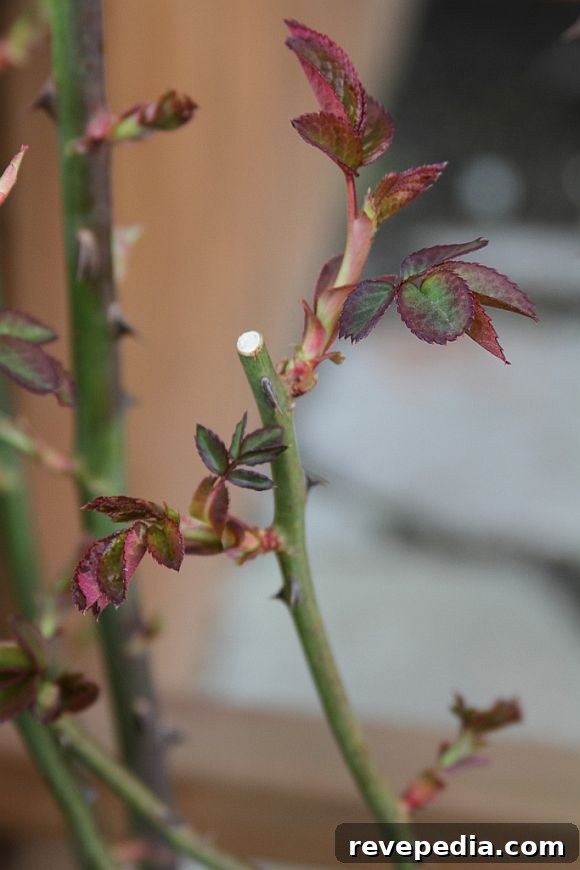
Pruning done incorrectly can harm trees and shrubs. According to guidance from Texas A&M AgriLife Extension, it is often better to avoid pruning than to prune improperly, since poor technique can weaken or deform plants. Keep the goal of pruning in mind: it is the selective removal or reduction of plant parts that are unnecessary, no longer effective, or detrimental to the plant. Proper pruning redirects the plant’s energy into developing healthier flowers, fruits and limbs.
Practical Pruning Tips for Healthy Plants
- Make a plan before you cut: Assess the plant from all sides and decide which branches must be removed. Planning reduces unnecessary cuts and helps preserve the plant’s natural form.
- Start by removing problem limbs: Cut away dead, broken, diseased or pest-infested branches first. Removing these parts often reduces bulk enough that no further pruning is necessary.
- Follow the plant’s natural shape: Prune to enhance the plant’s inherent growth habit rather than forcing an unnatural form. If you are unsure about the correct shape, consult a local horticulture expert or observe the plant over time to learn its natural pattern.
- Time your pruning appropriately: Late winter to early spring is generally the best time to prune many trees and shrubs, because plants are dormant and can recover quickly. Avoid heavy pruning in summer when new growth is developing, unless you must remove dead or hazardous limbs. That said, pruning can be performed at other times of year when necessary—just use care to avoid excessive stress on the plant.
- Use proper tools and technique: Keep pruning tools sharp and clean to make smooth cuts that heal faster. For larger branches, use the three-cut method to prevent bark tearing. Disinfect tools between plants when removing diseased wood.
- Don’t over-prune: Removing too much foliage at once can weaken a plant. As a general rule, avoid cutting more than one-third of a plant’s live growth in a single season, unless you are rejuvenating an overgrown specimen with staged pruning over multiple years.
- Consider plant-specific needs: Different species respond differently to pruning. Flowering shrubs, fruit trees and evergreen hedges all have specific timing and techniques for best results. Research or ask a local nursery for species-specific recommendations.
- Dispose of cuttings responsibly: Clear away diseased or pest-ridden material and dispose of it according to local guidelines to reduce the spread of disease. Healthy clippings can be composted if appropriate.
Why Pruning Matters
Correct pruning improves plant health, encourages stronger structure, increases flowering and fruit production, and enhances landscape aesthetics. It also reduces safety hazards from weak or dead limbs and can improve air circulation and light penetration within the plant canopy, decreasing disease pressure.
Do you prefer a carefully maintained landscape or a more natural, untamed look? Share your pruning experiences and tips. If you are just getting started, begin with small, conservative cuts and observe how your plants respond—over time you’ll develop a better eye for what each species needs to thrive.
Photo: Flickr.com/bob_jenkins