
Sharing a home is about more than just rent and bills. When you live with others, decorating shared areas—the kitchen, living room, and bathroom—becomes a group activity that should balance comfort, function, and everyone’s tastes. Whether you’re moving in with longtime friends or meeting strangers for the first time, creating a cohesive, pleasant shared space takes communication, compromise, and a few practical strategies.
Below are practical tips for navigating decor decisions with diplomacy and creativity, so communal areas feel welcoming and fair for everyone who lives there.
Start with a Housemate Meeting
Before buying new furniture or swapping out decor, bring everyone together to discuss shared expectations. Talk about the mood you want in common areas: clean and minimal, cozy and eclectic, bright and bold, or something in between. This conversation sets the tone, helps prevent future disputes, and ensures everyone feels heard and involved.
Define Shared Spaces and Personal Zones
Clarify which areas are communal and which are private. Typically, living rooms, main bathrooms, and kitchens are shared spaces, while individual bedrooms and personal offices remain off-limits for group decor decisions. Making this distinction also helps determine who pays for what. If a big living room purchase benefits everyone, it’s reasonable to split costs; if not, it can remain a personal investment.
Decorating the Kitchen: Practical and Inviting
The kitchen gets heavy use, so prioritize functionality while keeping the design pleasant and neutral enough to suit multiple tastes.
● Neutral Color Palette: Choose calming, neutral tones for walls, towels, and dishware. This creates a cohesive look that’s unlikely to clash with anyone’s preferences.
● Rotate Small Accents: If housemates have different styles, rotate small decorative items—like art, centerpieces, or ceramics—seasonally so everyone gets a turn to influence the space.
● Shared Calendar or Message Board: A chalkboard, whiteboard, or pinboard adds character while keeping chores, schedules, and shared grocery lists visible.
● Bring in Greenery: Small potted herbs or low-maintenance plants on the windowsill add life and can be useful for cooking.
Living Room Vibes: Blend Styles with Flexible Pieces
The living room is usually the communal heart of the home, so design it to feel inclusive and comfortable for everyone.
● Neutral Furniture Base: Start with neutral-toned essentials—a sofa, coffee table, and rug—then introduce personality with swaps like pillows, throws, and small decor.
● Collaborative Gallery Wall: Create a gallery wall with pieces contributed by each housemate. This approach showcases individual tastes while forming a unified display that reflects the household.
● Layered Lighting: Combine overhead lights with floor or table lamps and string lights so people can adjust the atmosphere without major changes.
● Shared Bookshelf or Media Stand: A communal shelf for books, records, or games encourages contribution and makes the room feel lived-in and personal.
Bathroom Design: Organized and Pleasant
Multiple users can make bathrooms a source of tension, but simple systems and coordinated elements keep things tidy and fair.
● Matching Towels, Different Colors: Agree on towel style and let each person pick a color. This keeps the look consistent while making ownership clear.
● Individual Storage Caddies: Assign a basket or caddy to each roommate to store toiletries and keep counters clear.
● Swappable Small Decor: Opt for simple framed prints, decorative soap dispensers, or small accent pieces that are easy to change without a full overhaul.
● Shared Scent Strategy: Agree on a neutral air freshener or essential oil blend to keep the bathroom smelling fresh without imposing a scent preference on others.
Budgeting for Decor: Agree Upfront
Be clear about who pays for common items. Split costs for furniture or decor that everyone will use and enjoy, and let individuals cover items that are purely personal or temporary. Another option is a small communal fund—contributions of a few dollars a month can quickly add up and cover shared upgrades when needed.
When in Doubt, Keep It Simple
Minimal, durable, and easy-to-clean items are practical choices for shared spaces. Avoid overly bold statement pieces unless everyone agrees. Start with a simple, comfortable baseline and add personal touches gradually—this reduces friction and makes it easier to adapt the home as tastes evolve.
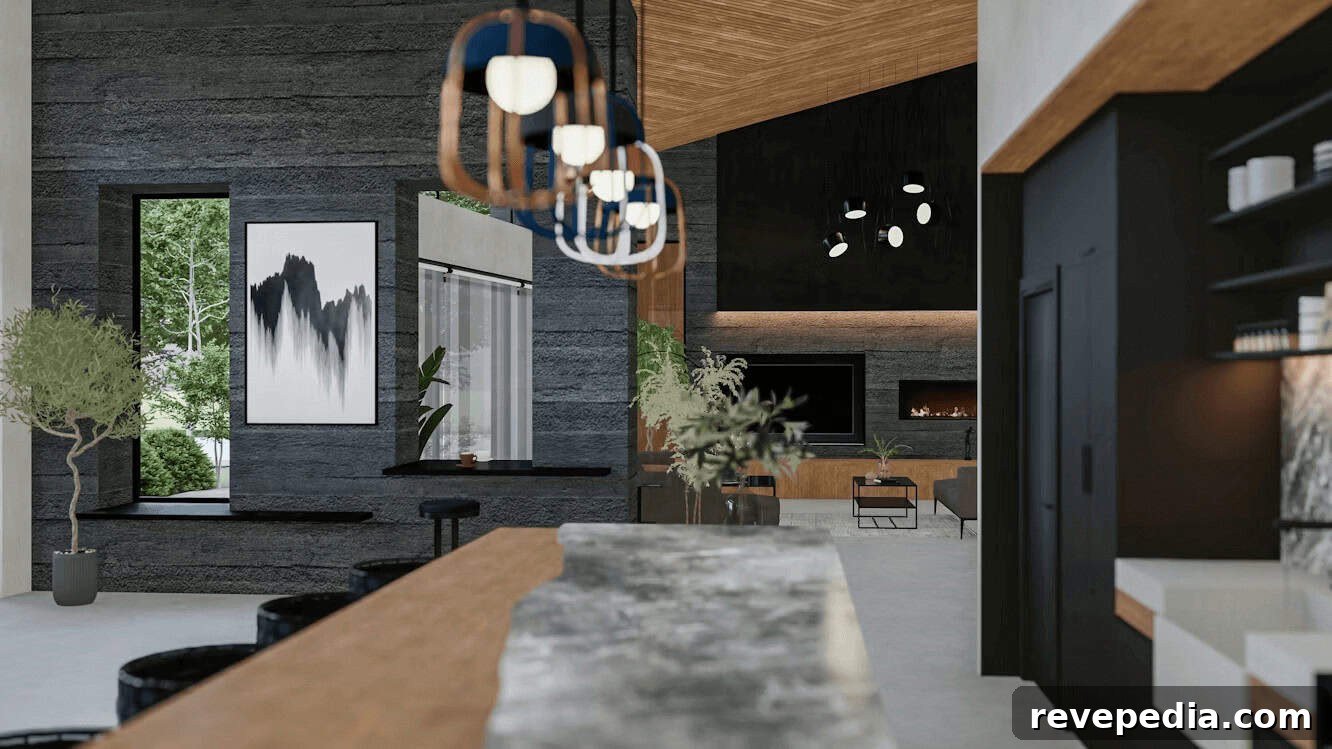
Choose materials and finishes that withstand daily use, and leave space for individual accents so each person can feel at home without dominating the shared environment.
Shared Spaces Can Be Beautiful
Decorating a shared home is a balancing act, but it can also be a chance to connect and collaborate. With open communication, reasonable compromise, and a few agreed-upon rules, you can build a shared space that feels welcoming and expressive of the household as a whole.
Final Thoughts
You don’t have to share the exact same taste to create a home that works for everyone. Prioritize clear communication, fairness, and flexibility. The most successful shared spaces are those where everyone feels comfortable, respected, and at home.