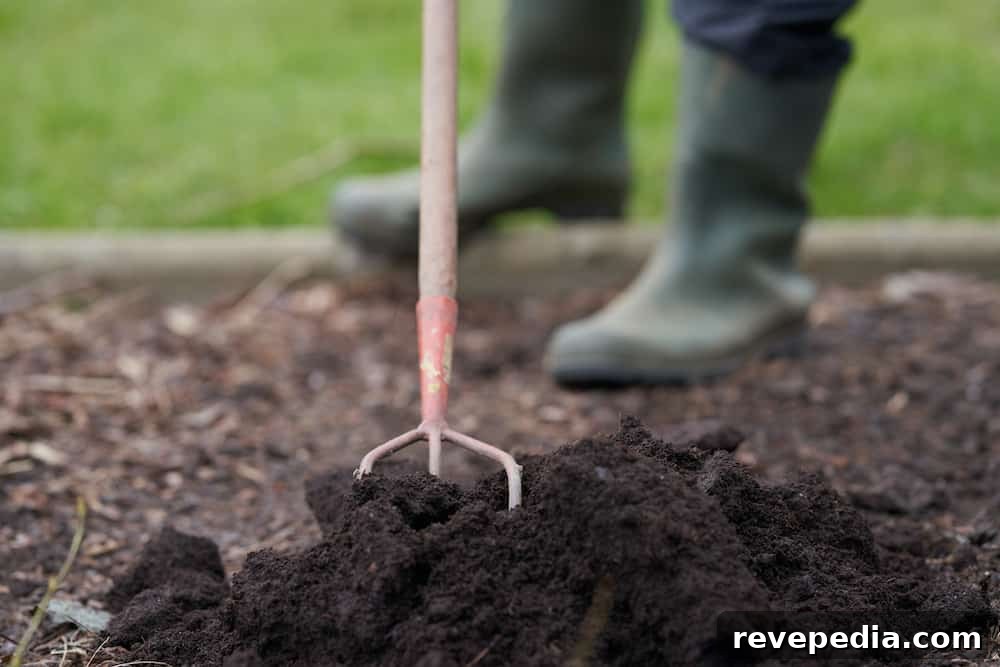
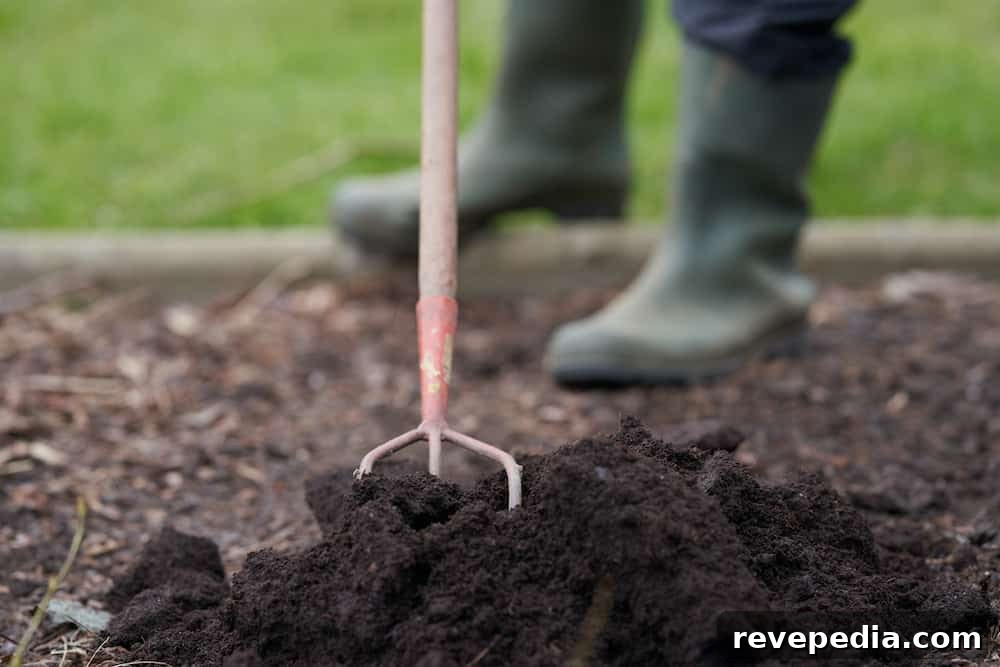
Mulching is a fundamental gardening practice that many homeowners underestimate. A proper layer of mulch delivers multiple advantages: conserving moisture, reducing weed pressure, improving soil health and structure, protecting plants from temperature extremes, preventing erosion, and enhancing the visual appeal of your landscape.
What Is Mulch?
Mulch is any organic or inorganic material applied as a surface layer over the soil around plants. Organic mulches—such as shredded bark, straw, compost, and fallen leaves—decompose over time and feed the soil with organic matter and nutrients. Inorganic options—like landscape fabric, gravel, or rubber—do not decompose and are used mainly for weed suppression, moisture control, or decorative purposes. While both types serve practical roles, organic mulches are generally preferred for long-term soil improvement.
Key Benefits of Mulching
Retains moisture
A layer of mulch reduces evaporation from the soil surface, keeping the root zone consistently moist. This is especially helpful in hot, dry conditions and reduces the need for frequent watering, saving time and water costs.
Prevents soil erosion
Mulch shields the soil from the direct impact of rain and wind, helping to keep topsoil in place. This is particularly important on sloped beds where runoff can quickly wash away valuable soil and nutrients.
Suppresses weeds
By blocking light and reducing the space where weed seeds can germinate, mulch significantly reduces weed growth. Fewer weeds mean less competition for water, nutrients, and light, and lowers the time needed for garden maintenance.
Regulates soil temperature
Mulch acts as an insulating blanket: it cools soil in summer and helps retain heat in winter. Stable soil temperatures reduce stress on plants and support better root development, flowering, and fruiting.
Improves soil fertility
Organic mulches gradually decompose and release nutrients into the soil. They also increase organic matter content, which enhances nutrient retention, water-holding capacity, and microbial activity—key factors for healthy plant growth.
Prevents soil compaction
Mulch cushions the soil surface against foot traffic and heavy equipment, reducing compaction. Looser soil allows roots to spread more easily and improves air and water movement through the root zone.
Enhances soil structure
As organic mulches break down, they feed beneficial soil organisms like earthworms and microbes. These organisms help form crumbly, well-structured soil that is easier to cultivate and better for root growth.
Protects plants from frost
In colder months, mulch provides insulation that helps protect roots and crown tissue from freezing. This reduces frost damage and improves the chances that sensitive perennials and newly planted shrubs will survive winter.
Adds aesthetic value
Mulch creates a clean, finished look that unifies plantings and enhances curb appeal. Available in different textures and colors, mulch can be chosen to complement your garden design and plant palette.
Saves money
Because mulch reduces water use, lowers the need for herbicides and fertilizers, and protects plants from temperature stress and erosion, it can lead to long-term savings on gardening inputs and labor.
Choosing the Right Mulch
Selecting the correct mulch depends on the plants you grow, your budget, and the maintenance level you prefer. Common organic mulches include:
- Wood chips – Durable and attractive, wood chips break down slowly and are ideal for trees, shrubs, and perennial beds.
- Straw – Lightweight and inexpensive, straw is effective for vegetable gardens and newly seeded areas where weed suppression is needed without long-term soil amendment.
- Compost – Rich in nutrients, compost both mulches and fertilizes; it’s excellent for vegetable beds and any planting area where you want to boost soil fertility.
- Leaves – Shredded leaves are free if you have trees, and they make a fine mulch that improves soil structure as they decompose.
Inorganic mulches—such as gravel, landscape fabric, or rubber—can be useful for pathways, rock gardens, and areas where long-lasting, low-maintenance ground cover is preferred. Keep in mind inorganic mulches do not add organic matter to the soil.
How to Apply Mulch
Applying mulch properly ensures you reap the benefits without harming plants. Follow these steps:
- Clear the area of weeds, debris, and large clumps to create a smooth bed.
- Lay mulch around the base of plants, leaving a gap of a few inches around stems and trunks to prevent moisture buildup that can cause rot.
- Apply mulch 2–4 inches deep for most organic materials. Lighter mulches like straw may need a slightly thicker layer; heavier mulches like wood chips can be applied in the lower end of the range.
- Replenish mulch as it decomposes to maintain the desired depth and appearance. Annual or biennial top-ups are common depending on material and climate.
Avoid piling mulch directly against tree trunks or plant stems—this “volcano” mulching can trap moisture and encourage disease. For newly planted areas, a thinner initial layer helps avoid excessive insulation that can slow root establishment.
Mulching is an easy, cost-effective step that improves garden health, reduces maintenance, conserves water, and enhances the look of beds and borders. With the right materials and proper application, mulch becomes a long-term ally for healthier soil and more resilient plants.