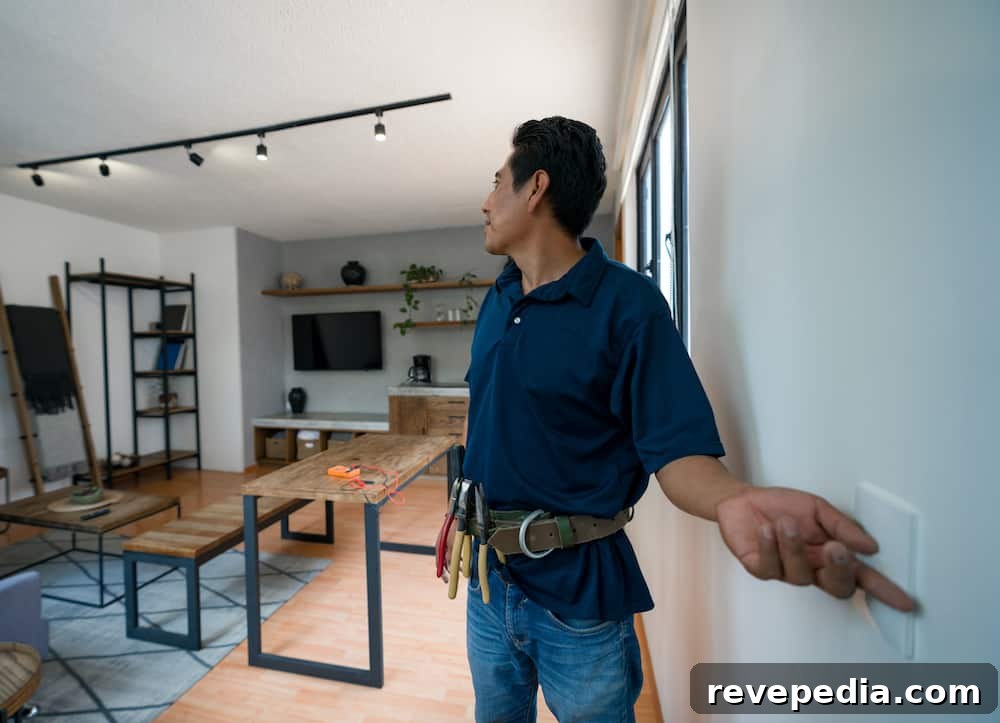
Installing a dimmer switch is an easy, cost-effective way to save energy and improve the atmosphere in your home. Before you begin, confirm that the dimmer you choose is compatible with LED bulbs and that your LEDs and fixtures are dimmable. Most modern LEDs are dimmable, but incompatible combinations can cause flickering or buzzing.
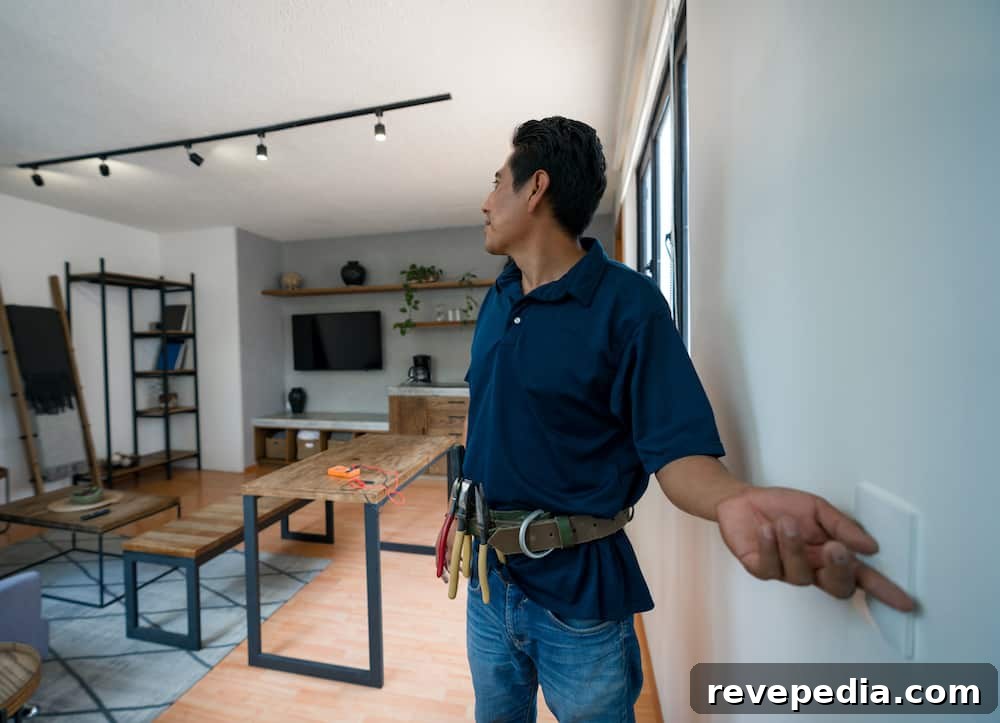
Why You Should Install Dimmers
Dimmers reduce the amount of electricity your lights use by lowering output when full brightness isn’t needed. Lower power use translates to lower energy consumption and smaller electricity bills over time. While the precise savings depend on the types and number of bulbs you use and how often you dim them, installing dimmers is a simple step that contributes to greater energy efficiency in your home.
To estimate the potential impact: add the wattages of all bulbs in your lighting fixtures, divide that number by 75, multiply by 11, and then apply a variable percentage representing how often you dim the lights (for example, 25–35%). This is a rough illustration of how lighting contributes to overall energy use—note that it does not include other household appliances and electronics.
Replacing an old switch with a dimmer is a straightforward task for most homeowners when performed carefully. Dimmers are available at hardware stores in a wide price range, typically from about $9 to $90 or more. Read the product details before purchasing to ensure the dimmer suits your wiring and the types of bulbs you plan to use.
Turn Off the Breaker
Start by locating and turning off the fuse or circuit breaker that supplies the light switch you will replace. If the breaker panel is not labeled, identify the correct breaker by switching the light on, then turning off breakers one at a time until the light goes out. Leave the correct breaker off while you work and restore any other breakers you switched off during the search.
If you tripped multiple breakers while locating the right one, remember to check devices like alarm clocks or thermostats that may have been affected and reprogram them if necessary.
Remove the Old Switch
Remove the wall plate by unscrewing the cover plate screws, then remove the screws that secure the switch to the electrical box. Gently pull the switch out of the box to access the terminals and the wiring behind it.
Determine Your Switch Type
Before disconnecting any wires, note how the existing switch is wired. This is crucial to installing the correct dimmer. Switches are typically wired as either single-pole or 3-way configurations.
A single-pole switch controls a light from one location and will have two insulated wires connected to screws of the same color. Replace it with a single-pole dimmer.
A 3-way switch allows control of the same light from two locations and will have three insulated wires connected to three screws; one of these is often connected to a screw of a different color, labeled COMMON. Mark this common wire so you can correctly wire a 3-way dimmer.
Disconnect the Old Switch
Once you have identified the wiring configuration, unscrew the terminals and remove the wires from the old switch. Keep track of which wires correspond to which terminals—photos or labels can help ensure correct reconnection.
Connect the New Dimmer Switch
Begin by connecting the green ground wire from the dimmer to the grounding conductor in the electrical box or to the grounding screw inside the box. For a single-pole dimmer, connect the dimmer’s two black wires to the two wires you removed from the old switch—one black wire to each. For a 3-way dimmer, attach the dimmer’s black wire to the wire you labeled as COMMON, and follow the dimmer manufacturer’s instructions for connecting the remaining red or other colored wires to the remaining conductors.
Use the wire nuts provided with the dimmer or approved connectors to secure all splices, and ensure connections are tight and properly insulated.
Attach the Dimmer to the Wall
Carefully tuck the connected wires back into the electrical box, making sure no bare conductors are exposed. Position the dimmer in the box and secure it with the mounting screws. Install the cover plate once the dimmer is mounted. Properly protected and tucked wiring prevents short circuits and ensures a clean installation.
Restore Power and Test
Return to your circuit breaker or fuse panel and restore power to the circuit. Test the dimmer by operating it through its range. If you notice any unusual smells, sounds, or excessive heat, turn the power off and check the wiring and connections. Otherwise, enjoy the improved lighting control and energy savings.
With dimmers installed, you can set the mood for dinner, reduce glare while watching TV, and lower energy use—small changes that contribute to a more comfortable home and reduced electricity consumption.