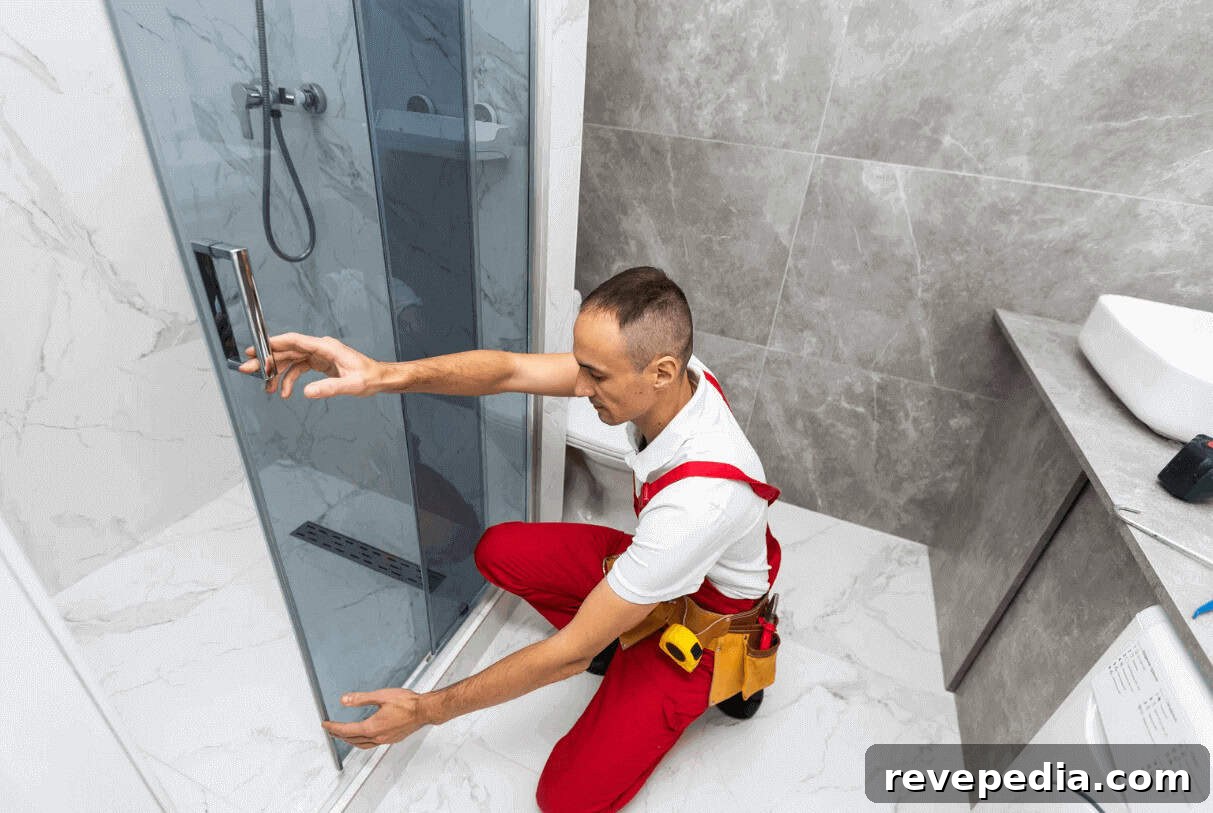
Installing a shower enclosure in a small or awkward bathroom can feel daunting, but with careful planning it’s a very achievable weekend project. The right enclosure improves layout, increases usable space, and gives the bathroom a cleaner, more modern appearance. Before starting, it’s also wise to review your home insurance policy so you’re prepared if any unexpected issues arise during renovations.
Take accurate measurements and choose a design that suits your layout. Whether you’re working with a tight corner, a sloped ceiling, or a narrow floor plan, thoughtful planning and the correct tools will help you complete the job with confidence.
Below are practical tips for selecting and installing shower enclosures that make the most of small or awkward spaces.
Understanding Your Space
Assessing the bathroom layout thoroughly before selecting and installing a shower enclosure is essential. Consider the following elements:
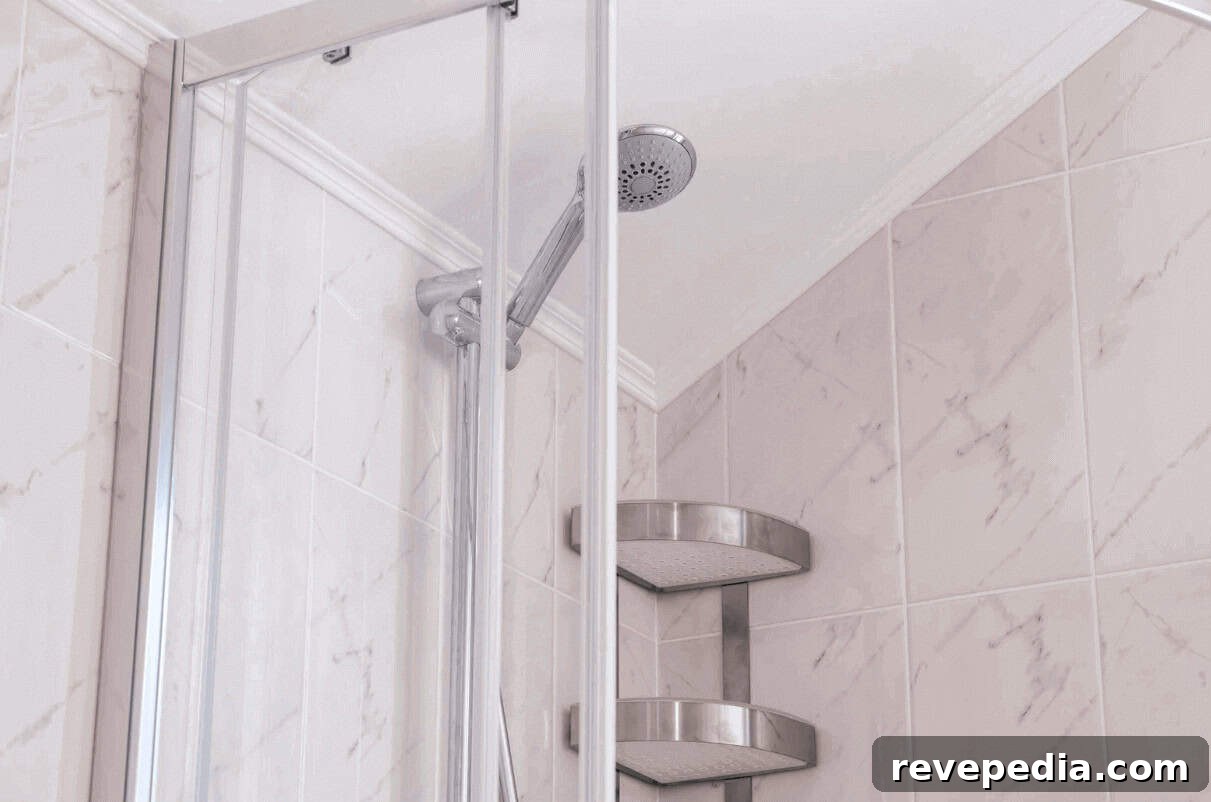
1. Measure Up
Accurate measurements are the foundation of a successful renovation. Measure the full area planned for the enclosure and note:
- Ceiling height
- Nearby elements such as windows, doors, and plumbing fixtures
- Any wall projections or recesses that reduce usable space
2. Identify Flow Patterns
Consider how people move through the bathroom daily. A well-considered flow will make a small bathroom feel larger. Ensure doors can open without obstruction and verify there is sufficient floor space for comfortable movement around fixtures.
3. Explore Design Options
With measurements and flow patterns in hand, evaluate enclosure styles that maximize space and function. Sliding doors remove the need for swing clearance, while corner enclosures free up valuable floor area. Choose a style that complements your bathroom’s proportions and use patterns.
Look for design ideas and practical tips focused on maximizing small bathroom space; these resources can help you balance aesthetics with functionality.
Selecting the Right Shower Enclosure
Choosing the right enclosure means balancing style, practicality, and the realities of your space. Common types suited to small bathrooms include the following.
1. Quadrant Shower Enclosures
Quadrant enclosures fit neatly into corners and often feature curved fronts that soften the room’s lines while making efficient use of floor space. They are a great option for compact bathrooms.
2. Bi-fold Shower Doors
Bi-fold doors fold back against the wall, creating a wider opening without requiring external swing space. They are especially useful in narrow bathrooms where clearance is limited.
3. Walk-In Showers
Converting a bathtub or awkward nook into a walk-in shower is a more extensive remodel but can dramatically improve usability. Clear glass panels help maintain sightlines and create an airy, open feel.
Installation: Step-by-Step Guide for Small Bathrooms
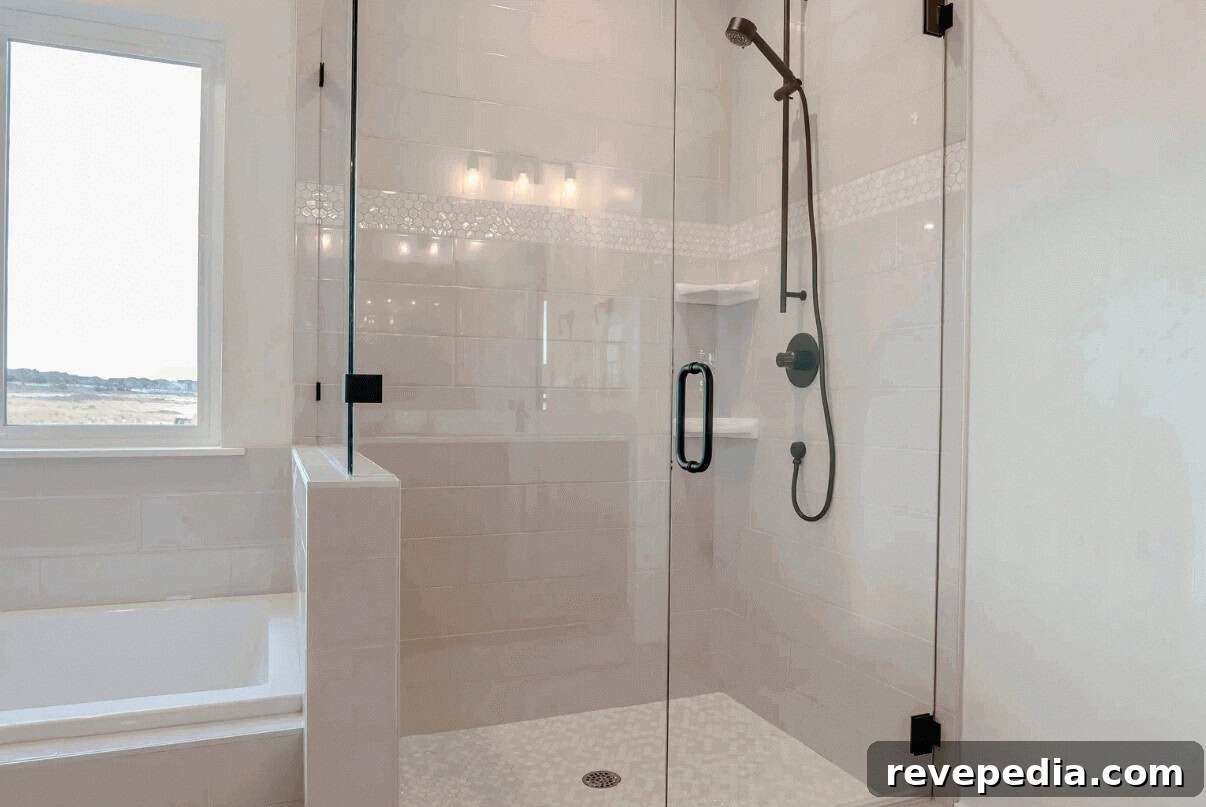
Installing a shower enclosure in a restricted space demands precision. Rushing increases the risk of leaks, misaligned doors, and long-term problems. Follow each step carefully.
Tools and Materials You Will Need
- Tape measure
- Level
- Drill with masonry bits
- Screwdriver
- Silicone sealant and caulking gun
- Stud finder
- Pencil for marking
- Safety glasses
Confirm what hardware is included with your enclosure before you begin.
Step 1: Prep the Area
Remove the old shower or tub, clean the area, and inspect walls and floor for issues. Check for water damage, mold, uneven subflooring, and loose tiles. Repair any problems before moving forward—starting with a solid, dry base reduces the chance of future leaks. If the floor is uneven, apply a leveling compound to create a flat surface.
Step 2: Confirm Drain Position and Slope
Proper drainage is vital in small bathrooms. Ensure the drain lines up with the shower tray, the floor slopes slightly toward the drain, and all waste pipe connections are secure. Fix any incorrect slopes before proceeding; an enclosure cannot compensate for poor drainage.
Step 3: Dry Fit the Shower Tray
Position the shower tray without adhesive at first. Use a level to check every side. If the tray isn’t level, adjust the feet or carefully shim where necessary. Once level, secure the tray per the manufacturer’s instructions and allow any adhesive or mortar to cure fully before continuing.
Step 4: Install Wall Profiles
Mark drill holes carefully using a level—minor misalignment is more noticeable in small spaces. Use a stud finder to locate solid fixings, avoid plumbing lines, and place masking tape over tiles before drilling to prevent cracking. Screw wall profiles in firmly but avoid overtightening, which can warp the frame.
Step 5: Install Glass Panels and Doors
Always have a second person help lift and position glass panels—never attempt this alone in a tight area. Slide the panels into the wall profiles, secure them following the instructions, and check alignment before fully tightening fasteners. Test the door to ensure it opens smoothly, doesn’t rub or drag, and that seals sit flush.
Step 6: Seal All Edges
Apply silicone sealant along the tray base, vertical wall joints, and exterior edges unless the manufacturer specifies a different method. Do not seal inside drainage channels. Allow the sealant to cure for at least 24 hours before using the shower.
Common Mistakes to Avoid
- Skipping level checks
- Sealing before confirming door alignment
- Ineffectively testing for small leaks during the initial water test
- Failing to verify adequate wall support before installation
Small bathrooms offer little margin for error, so precision matters at every step.
Final Checks and Small-Space Upgrades
After installation, complete a few finishing tasks that improve long-term performance and usability.
Water Test
Once the sealant has cured, run the shower and closely inspect corners, frame joints, the bottom edge of the door, and any other potential exit points for water. Wipe surfaces dry and recheck after 10 to 15 minutes to catch slow leaks.
Add Storage Without Crowding the Space
Avoid bulky floor units in a compact bathroom. Use vertical and recessed solutions to keep the footprint small while increasing storage:
- Corner shelves inside the enclosure
- A recessed niche if you are retiling
- Wall-mounted organizers that avoid drilling through tile where possible
Improve Lighting for Safety
Shadows near the shower are common in small bathrooms. Better lighting improves safety and makes cleaning easier. Consider recessed lighting above the shower zone or a bright, moisture-rated fixture if recessed lighting isn’t an option.
Final Tip on Installing Shower Enclosures
Installing a shower enclosure in a small bathroom requires careful measurement, attention to drainage and wall support, and strict adherence to manufacturer guidelines. When planned and executed properly, even an awkward layout can become a functional, modern shower space that enhances daily use. Measure twice, plan methodically, and proceed step by step to achieve a durable, attractive result.