You’ve probably heard the saying, “If it ain’t broke, don’t fix it.” When it comes to materials like wood, that advice often holds true—there’s no need to throw away pieces that have simply aged or suffered minor damage.
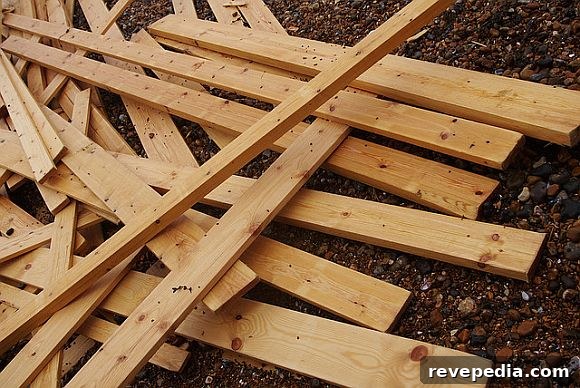
Perhaps you’ve accumulated a collection of salvaged wood that’s perfect for an upcoming project but looks worn and unattractive. Depending on how much wear and damage there is, restoring wood can require several steps, including stripping, sanding, and staining. Fortunately, there are easier options that can save time while still delivering excellent results.
One effective, all-in-one solution is Howard Restor-A-Finish. This product is formulated to address many common problems: fading, scratches, small nicks, and water marks. Instead of full refinishing, Restor-A-Finish strengthens and revitalizes the existing finish while enhancing the natural grain of the wood.
Before you begin, consult the manufacturer’s online guide to correctly identify the issue and follow recommended application techniques. For tougher blemishes—such as water marks or burn rings—you may need to apply the product with fine steel wool. This helps to gently buff the affected area and blend the repair with the surrounding finish, bringing out the wood’s character without removing the original patina.
Be aware that Restor-A-Finish has strong fumes. Choose a day when you can provide ample ventilation by opening windows and doors, or work outdoors if possible. If you must work inside, keep the area well-ventilated and consider wearing a respirator or mask. Keep children and pets away until the product has fully dissipated and the surface is dry and odor-free.
This method is particularly useful for salvaged or reclaimed wood projects where preserving the material’s history and texture is important. Instead of erasing years of wear, a restorative product can harmonize the surface, reduce visual defects, and highlight the wood’s natural beauty—often with far less effort than a complete strip-and-refinish job.
If you try Howard Restor-A-Finish on a piece of salvaged wood, take note of the application method you used and the results you achieved. Different woods and finishes respond differently, so documenting your approach will help with future projects. Share your experience to help others decide whether a restorative product or a full refinishing process is the better choice for their project.
Photo: Flickr.com/DaveBleasdale