
The Joint Center for Housing Studies at Harvard reports that remodeling activity rose by 5% in 2010 compared with 2009, marking the first increase since 2006. This is encouraging news for professionals and enthusiasts in the home improvement sector.
However, the most important insight from the study is not the modest rise in spending but why homeowners are choosing to remodel. The traditional assumption—that renovations are primarily intended to boost a home’s resale value—no longer drives many decisions. Homeowners who are underwater on their mortgages or who recognize they may not fully recoup renovation costs are increasingly motivated by other priorities.
Today, many people undertake remodeling projects to enhance their everyday quality of life. Smaller, targeted improvements that a capable DIYer can manage often deliver substantial benefits to daily living. These projects improve comfort, functionality, and enjoyment of the home without the expense or disruption of large-scale additions.
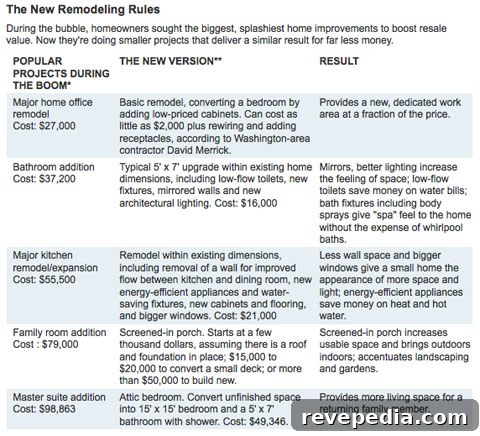
Popular projects now focus on updating kitchens and bathrooms and repurposing underused spaces—such as finished rooms above garages—rather than undertaking massive expansions or complete overhauls. These kinds of improvements are practical, add comfort, and often require less time and investment while delivering immediate lifestyle benefits.
Choosing to invest in the enjoyment of your current home is, for many people, a sound personal investment. Enhancing living spaces to better match daily needs and tastes can increase satisfaction more than a speculative upgrade intended solely for future resale value.