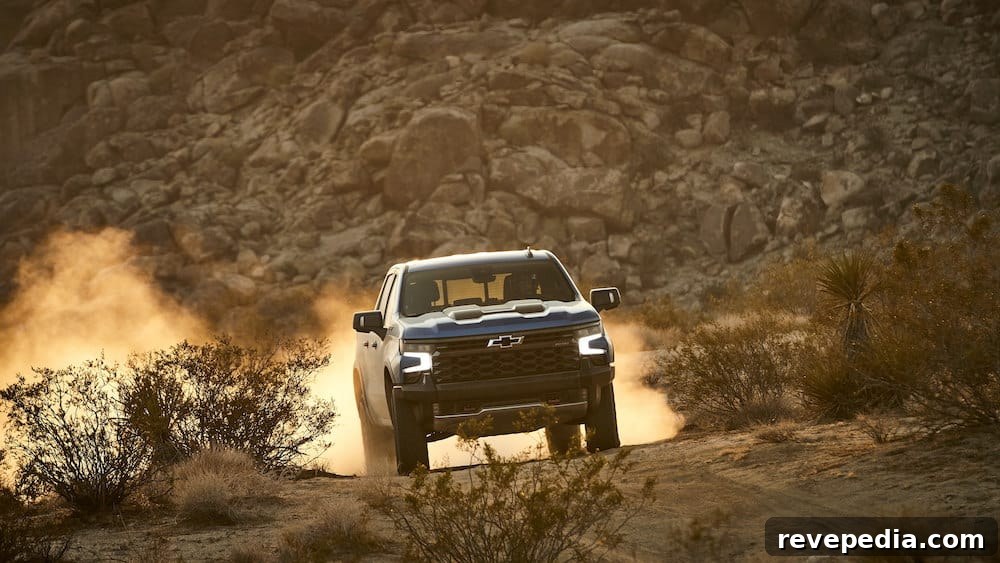
Choosing the right truck for overlanding means weighing several factors. One of the first decisions is whether to opt for a full-size truck or a mid-size model. Each class brings its own strengths and trade-offs, so understanding your needs and the type of terrain and trips you plan will help you select the best platform for your adventures.
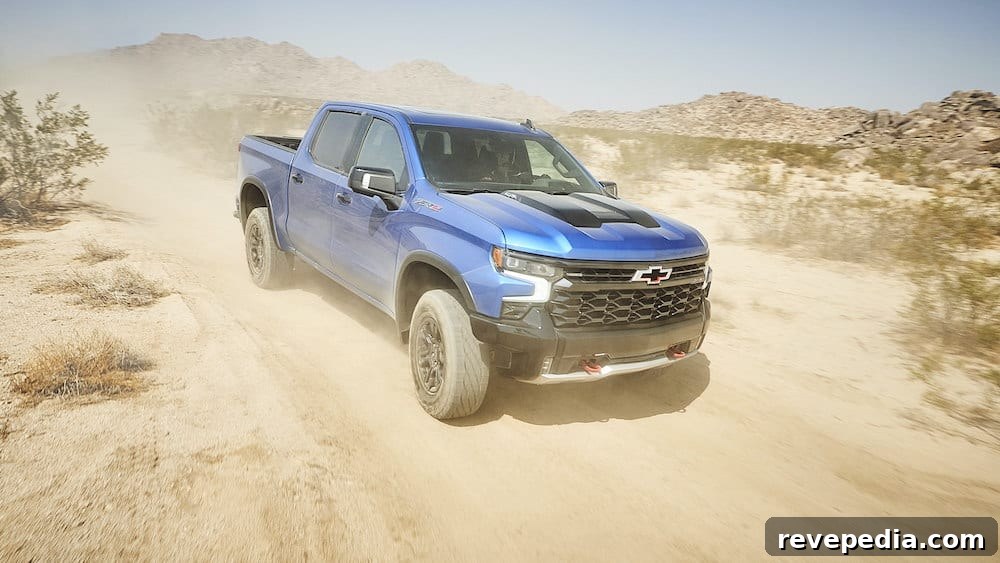
Understanding Overlanding
Overlanding is long-distance, self-reliant travel to remote destinations where the journey itself is the primary focus. It typically involves off-road driving, extended camping, and carrying all necessary supplies and recovery gear. Overlanders aim to be self-sufficient, relying minimally on external services while exploring varied landscapes such as mountains, deserts, forests, and backcountry trails.
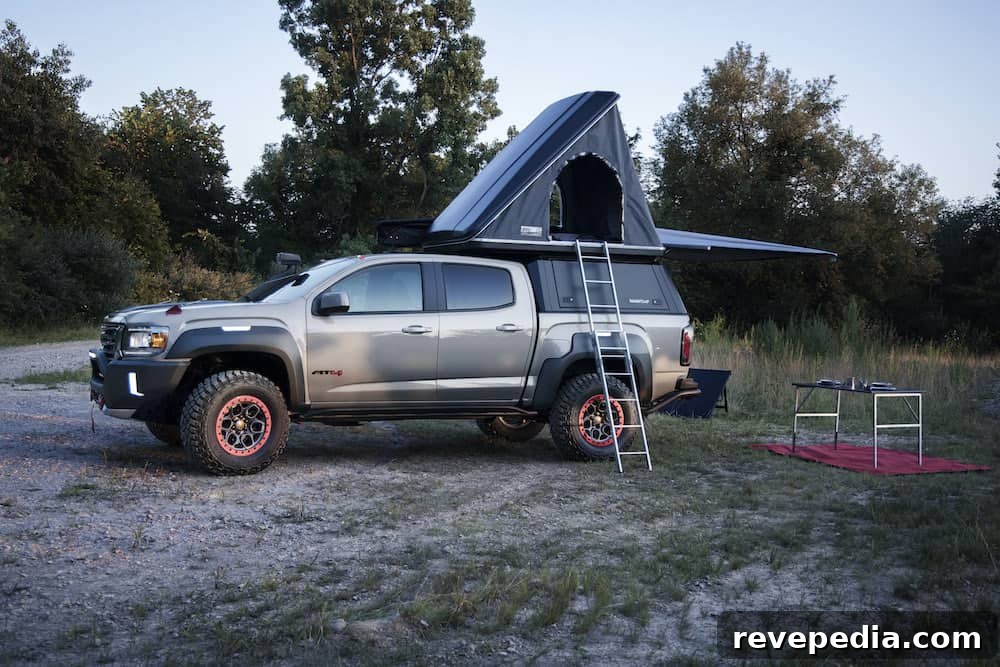
More than a pastime, overlanding is a lifestyle for many who seek escape from urban life and want to engage directly with nature. The right vehicle becomes a mobile basecamp—capable, comfortable, and reliable—so you can focus on the experience rather than constant logistics.
The Basics of Overlanding
A true overlanding vehicle must handle rough terrain, carry essential gear, and offer enough comfort for extended trips. Key vehicle attributes include dependable four-wheel drive, good ground clearance, durable suspension, and sufficient storage.
Steep grades, loose surfaces, and water crossings demand a robust drivetrain and capable tires. Reliability is paramount because remote breakdowns can escalate quickly. That’s why many overlanders choose vehicles with proven durability and straightforward mechanics that can be serviced away from major centers.
Packing for self-sufficiency means making space for shelter, cooking gear, water, fuel, recovery tools, spare parts, and emergency supplies. Vehicles with flexible storage solutions—bed racks, roof storage, drawer systems, and lockable compartments—make managing gear easier and keep weight balanced for better handling off-road.
Essential Features for Overlanding Vehicles
When evaluating a truck for overlanding, consider off-road capability, durability, cargo capacity, and fuel range. Useful accessories that enhance capability and safety include skid plates, locking differentials, winches, roof racks, and auxiliary lighting.
Off-road readiness means a strong suspension, appropriate gearing, and all-terrain tires. Durability and reliability reduce the risk of failures in remote areas—research vehicle histories for common issues and consider carrying basic spares and service tools.
Storage and organization are critical. Trucks with larger beds, modular mounts, and roof options let you carry camp setups, recovery kits, and supplies without compromising cabin comfort. Fuel efficiency and range matter too—long stretches without fuel stations favor vehicles with larger tanks or better economy.
Ultimately, the right combination of capability, comfort, and reliability depends on the length and remoteness of your trips, the size of your party, and how much gear you plan to carry.
Full-Size Trucks for Overlanding
Full-size trucks provide generous interior space, higher towing and payload capacity, and a solid platform for heavy build-outs—truck campers, large rooftop tents, and extensive gear loads. Their larger frames and stronger components are designed for demanding use.
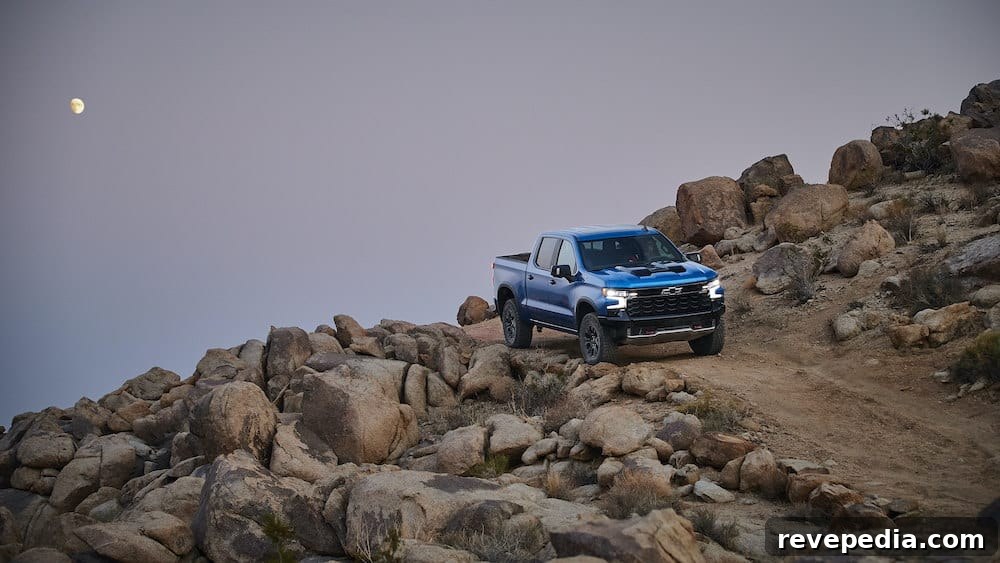
Because of their size and power, full-size trucks excel at hauling trailers or campers and carrying multiple passengers and gear comfortably. They are often the platform of choice for overlanders who travel with families, larger groups, or very heavy equipment.
Pros and Cons of Full-Size Trucks
Advantages include superior towing and payload capacity, roomy cabins, and the ability to support heavier aftermarket equipment. Many full-size models offer advanced off-road packages, upgraded suspensions, and stronger frames for serious trail work.
Drawbacks are their larger footprint and generally lower fuel economy. Maneuvering in tight trails, narrow campsites, and congested towns can be more challenging. Repairs and maintenance may also cost more due to heavier-duty components. That said, modern driver-assist tech—cameras, sensors, and parking aids—helps mitigate urban and trail maneuvering issues.
Fuel consumption is a notable trade-off, though diesel and hybrid options are increasingly available to extend range and improve efficiency for long trips.
Top Full-Size Trucks for Overlanding
Popular full-size choices among overlanders include models like the Ford F-150, Chevrolet Silverado, and Ram 1500. These trucks offer a strong mix of power, comfort, and aftermarket support for off-road upgrades.
The Ford F-150 is widely used for its variety of powertrains and available off-road packages. The Chevrolet Silverado provides rugged capability and high towing numbers, while the Ram 1500 is often praised for its ride quality and interior comfort, making long journeys more pleasant.
Choosing between these depends on priorities—towing and payload, off-road performance, or onboard comfort and technology.
Mid-Size Trucks for Overlanding
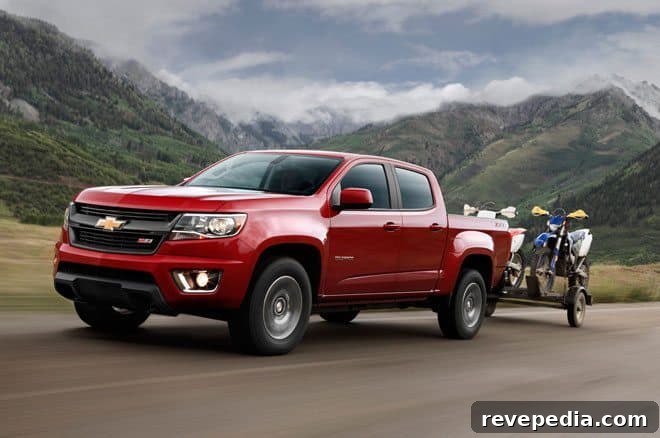
Mid-size trucks strike a balance between capability and maneuverability. They are lighter, easier to park, and often more fuel-efficient, making them appealing for solo travelers, couples, or those who frequently drive on paved roads between trailheads.
Advantages and Disadvantages of Mid-Size Trucks
Mid-size trucks are more maneuverable on tight trails and in urban settings, typically cost less to buy and operate, and often return better fuel economy. Their lighter weight can improve agility and reduce wear on trails.
However, they usually offer lower towing and payload capacity and less cabin space than full-size trucks. If you plan extended trips with lots of gear, heavy trailers, or multiple passengers, a mid-size may feel limiting.
Best Mid-Size Trucks for Overlanding
Standout mid-size models for overlanding include the Toyota Tacoma and Chevrolet Colorado. These trucks are known for their off-road packages, reliability, and strong aftermarket ecosystems—making them easy to outfit with racks, suspension upgrades, and storage solutions.
Comparing Full-Size and Mid-Size Trucks
To decide between full-size and mid-size, compare performance, cost, and maintenance needs against your intended use.
Performance Comparison
Full-size trucks generally deliver more towing power, higher payloads, and a more stable platform for heavy loads and large campers. Mid-size trucks provide better maneuverability and fuel economy, which can be advantageous for technical trails and long-distance driving between campsites.
Cost Comparison
Full-size trucks typically carry a higher purchase price and higher operating costs—fuel, tires, and some repairs can be more expensive. Mid-size trucks are usually more affordable to buy and run, offering a cost-effective entry point into overlanding without sacrificing core capabilities.
Durability and Maintenance Comparison
Both classes are built to be durable, but full-size trucks often use heavier-duty components that can withstand tougher loads and harder use. That robustness can mean higher repair costs, while mid-size trucks may be cheaper to maintain but could require more careful load management.
Making the Right Choice for Your Overlanding Needs
Deciding between full-size and mid-size boils down to how you plan to use the vehicle: the distances you’ll travel, the remoteness and difficulty of terrain, the number of people and amount of gear you’ll carry, and your budget.
Assessing Your Overlanding Goals
If you expect to tow heavy trailers, carry large loads, or travel with multiple passengers and comforts, a full-size truck likely fits your needs. If you want greater agility, lower costs, and a vehicle easier to live with daily, a mid-size truck is a sensible choice.
Evaluating Your Budget
Be realistic about purchase price and ongoing costs—fuel, tires, insurance, and maintenance. Balance upfront savings against potential limitations in capability if you downsize to a mid-size model.
Considering Your Comfort and Convenience
Think about how important cabin comfort and onboard amenities are to you on long trips. Full-size trucks often provide more space and luxury features; mid-size trucks trade some comfort for convenience and economy.
There’s no universal answer to the full-size versus mid-size question—both classes have solid options for overlanding. By matching truck attributes to your trip plans, capacity needs, and budget, you’ll choose a vehicle that supports safe, reliable, and enjoyable adventures off the beaten path.